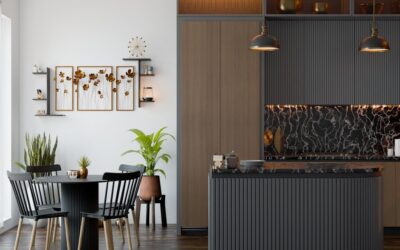
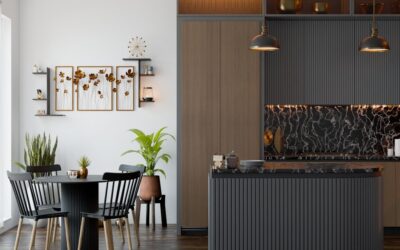
The two-tone kitchen, where the island wears a different color than the perimeter cabinets, has become one of the most reliable ways to add personality without committing the whole room, and green has quietly become the standout choice. A green kitchen island brings warmth, a connection to nature, and a timeless quality that trend-chasing grays never delivered. The key is choosing the right green for your light and style, then pairing it thoughtfully with countertops, hardware, and flooring so the island reads as designed rather than random.
Part of our Kitchen Remodeling guide — explore the full guide →
Why Green Works So Well on an Island
Green sits comfortably between neutral and bold, which is exactly what an island needs. It is grounded enough to feel calm and livable day after day, yet distinctive enough to give the kitchen a focal point. Because green echoes nature, it pairs effortlessly with the wood tones, stone, and natural light that define most kitchens, and it flatters both warm and cool palettes depending on the shade.
Isolating the color to the island is what makes it low-risk. If a deep forest green feels too bold across a whole kitchen, on a single island it becomes an anchor rather than an overwhelming statement, surrounded by neutral perimeter cabinets that keep the room bright.
Choosing the Right Shade of Green
Not all greens behave the same, and the shade sets the entire mood. Match the depth and undertone to your kitchen’s light and the feeling you want.
- Sage and soft greens: muted, gray-green tones that feel serene and versatile, ideal for smaller or north-facing kitchens
- Olive and moss: warm, earthy greens that pair beautifully with wood and brass for an organic look
- Forest and hunter green: deep, saturated shades that read rich and traditional, stunning against white perimeter cabinets
- Emerald and jewel tones: vivid and glamorous, best in well-lit kitchens where the color can shine
In a kitchen with limited natural light, lean toward sage or a warmer olive, since very dark greens can feel heavy without enough light. In a bright, sunny kitchen you have the freedom to go deep with forest or emerald.
Pairing With Countertops
The island countertop is the first thing your green base touches, so the pairing has to sing. White and light-veined quartz or marble-look surfaces create crisp contrast against any green and keep the look fresh. Warm white and cream tops soften the effect, pairing especially well with olive and sage. Butcher block or walnut wood countertops on a green island lean into the natural, organic feel and are a favorite for farmhouse and transitional kitchens.
Avoid busy, multi-colored granite that competes with the green; the island already carries the color story, so the countertop should complement rather than fight it. A quiet, light-toned counter lets the green base be the star.
Hardware and Metal Finishes
Hardware is jewelry for the island, and the finish you choose shifts the whole vibe. Brass and gold tones are the standout pairing for green, delivering a warm, elegant contrast that feels current and rich. Matte black hardware creates a bold, modern look with high contrast. Brushed nickel and chrome keep things cooler and more understated, letting the green do the talking.
For most green islands, unlacquered or brushed brass pulls and knobs are the designer’s default because green and brass have a natural, almost botanical harmony. If your perimeter cabinets already use a different metal, you can either match the island to them or deliberately mix metals, keeping the island’s brass as an intentional accent.
Coordinating With Flooring and Walls
The island does not exist in isolation, so tie it to the floor and walls for a cohesive room. Warm wood floors, from honey oak to walnut, complement virtually every green and reinforce the natural palette. Light and white oak keeps the space airy under a deep green island. On the walls and perimeter cabinets, soft whites, warm greiges, and creamy neutrals let the green island stand out without clashing.
A common winning formula is white perimeter cabinets, a warm wood floor, a light quartz countertop, and a forest or sage island with brass hardware. It is balanced, timeless, and photographs beautifully, which is why you see it in so many well-designed kitchens.
Paint an Existing Island or Replace It?
If you love your kitchen’s layout, painting the existing island is a budget-friendly transformation. Solid-wood and MDF cabinet doors take paint well when properly prepped. The process matters as much as the color.
- Remove doors and hardware, clean thoroughly to cut grease, and lightly sand or de-gloss the surfaces
- Apply a quality bonding primer, essential for adhesion on slick factory finishes
- Use a durable cabinet-grade enamel, brushing and rolling or spraying two thin coats
- Let each coat cure fully before reassembling to avoid chipping
Painting an island costs roughly $150 to $400 in materials for a DIYer, versus thousands to replace cabinetry. If your island is damaged or you want to change its size or configuration, replacement makes sense, but for a color change alone, paint is the smart route.
Sizing and Proportion Matter
A bold color amplifies whatever the island already is, so proportion becomes even more important. A green island that is too small for a big kitchen looks lost, while an oversized one in a compact space feels heavy and dark. As a rule, leave at least 36 to 42 inches of clearance around the island so people can move and open appliances comfortably, and scale the island’s footprint to the room.
Deeper, moodier greens like forest and hunter read as larger and more imposing, so they suit generously sized kitchens with good light. In a smaller kitchen, a soft sage keeps the island feeling like a fresh accent rather than a dark mass. The island’s height and countertop overhang also shape how the color presents; a waterfall countertop that wraps down the sides in a light stone can lighten a deep green base, balancing the drama with brightness.
Keeping a Painted Island Looking New
Because an island takes daily abuse from bags, stools, and cleaning, a green finish needs to be durable and maintainable. If you painted the island yourself, using a hardwearing cabinet enamel and allowing full cure time before heavy use is what prevents early chipping. Wipe spills promptly and clean with a gentle, non-abrasive cleaner rather than harsh scrubbing pads that can dull the sheen.
Touch-ups are part of owning a colored island, so keep a small container of your exact paint for the inevitable nicks along the toe kick and corners. Deep, saturated greens hide minor scuffs better than pale ones, while a satin or semi-gloss enamel cleans up more easily than a flat finish. Should the color ever feel dated, an island is the easiest cabinetry in the kitchen to repaint, since it is a small, self-contained piece you can refresh in a weekend without touching the rest of the room.
Styling and Finishing Touches
Once the island is green, a few styling moves complete the look. Pendant lights above the island in a coordinating metal, often brass or black, frame the space and reinforce the color scheme. A trio of counter stools in leather, wood, or a complementary fabric adds warmth and function. A simple bowl of produce, a wood cutting board, or a small potted herb keeps the surface feeling lived-in without clutter.
The lasting appeal of a green kitchen island is that it feels personal and grounded in nature rather than tied to a fleeting trend. Choose a shade suited to your light, pair it with a quiet countertop and warm brass hardware, and tie it to your flooring and walls, and the island becomes a focal point you will still love years from now. Whether you go soft sage or deep forest, green gives a kitchen character that neutral cabinetry simply cannot.