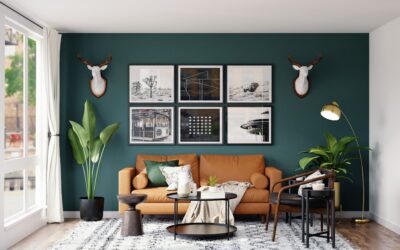
Green has quietly become one of the most popular colors for dining spaces, and for good reason. Green dining room walls strike a rare balance: they feel calming and natural yet rich and sophisticated, which is exactly the mood you want around a table where people linger over meals and conversation. The trick is choosing the right shade for your light and your style, then pairing it with the right woods, metals, and accents. Here is how to make green work beautifully in a dining room.
Why Green Works So Well in a Dining Room
Green is the color we associate with nature, growth, and freshness, which makes it inherently restful. In a dining room it reads as both grounding and elegant, encouraging people to relax and stay a while. It also flatters food and skin tones better than cooler blues or stark whites, and it bridges traditional and modern styles effortlessly. Whether you want a cozy, intimate supper room or a bright, airy breakfast space, there is a green that fits.
The Best Green Shades for Dining Rooms
Green spans an enormous range, so narrowing it to the right depth and undertone is the most important decision. Here are the shades that consistently shine on dining room walls.
Sage Green
A soft, muted gray-green, sage is the gentlest and most versatile choice. It feels calm and contemporary without being cold, works in rooms with limited light, and pairs with almost anything. If you want a serene, understated dining room, sage is the safe and stylish pick.
Olive Green
Warmer and earthier than sage, olive brings a vintage, organic richness. It pairs wonderfully with natural wood and brass, creating a relaxed, lived-in elegance. Olive suits rooms that get good natural light, where its warmth can glow rather than turn murky.
Emerald and Forest Green
For drama, deep emerald or forest green delivers true luxury. These saturated jewel tones make a dining room feel intimate and glamorous, especially in the evening by candlelight. They are bold, so they reward rooms used mainly at night or spaces where you want a confident, enveloping mood.
Hunter and Hue Variations
Between these anchors sit dozens of options, from muted celadon to deep hunter green. As a rule, lighter sages open up small or dim rooms, while deep emeralds and forest greens cocoon larger or well-lit ones.
Color Pairings That Make Green Sing
Green is a team player, but the right partners elevate it from nice to stunning. Consider these proven combinations:
- Green and warm wood: oak, walnut, and natural wood tables pick up green’s organic side for a warm, biophilic look.
- Green and brass or gold: warm metals in light fixtures, hardware, and frames add a touch of glamour against deep greens.
- Green and cream or off-white: creamy trim and ceilings keep a green room feeling fresh and prevent it from going heavy.
- Green and black: black chairs, window frames, or a black fixture add crisp, modern contrast, especially with emerald.
- Green and blush or terracotta: a warm pink or earthy clay accent creates a sophisticated, unexpected palette.
- Green and navy: two deep, moody tones together feel rich and traditional in a formal dining room.
Lighting and Your Green
Green is notoriously sensitive to light, so always test before committing. North-facing rooms with cool light can make green look gray or flat, favoring warmer olives and sages. South-facing rooms with abundant warm light let deeper emeralds and forests glow without feeling oppressive. Paint a large sample swatch on the wall and watch it across morning, afternoon, and evening, and under your artificial lights, since warm bulbs deepen green while cool bulbs flatten it. The same paint can look like two different colors at lunch and at dinner.
How Much Green: Full Walls, Accent, or Trim
You do not have to paint every wall. Consider how committed you want to be:
- All four walls create a fully immersive, enveloping room, best with sages in small spaces or deep greens in rooms used at night.
- An accent wall behind a buffet or banquette adds color with less commitment and draws the eye to a focal point.
- Green wainscoting or trim with a lighter wall above gives a classic, layered look that suits traditional homes.
- A green ceiling is an unexpected move that adds intimacy when paired with neutral walls.
Finishes and Final Touches
For dining room walls, an eggshell or satin finish hits the sweet spot: enough sheen to wipe clean around a table, but not so glossy that it highlights imperfections. Tie the look together with greenery, fresh plants or a leafy centerpiece reinforce the natural theme, while a few warm metal accents and natural textures like linen and rattan keep the room from feeling one-note.
Green Walls With Different Dining Furniture
Your existing furniture should guide the shade as much as your taste. A dark walnut or espresso dining set looks rich against deep emerald or olive, creating a moody, traditional feel. Light oak, white-washed, or natural pine furniture pairs beautifully with sage, keeping the room airy and Scandinavian-inspired. If your chairs and table are painted white or black, green walls become the color story of the room, so you have freedom to go bolder. Glass or acrylic tables nearly disappear, letting the green walls and any greenery take center stage. Look at what you already own before choosing a shade and the room will feel cohesive rather than mismatched.
Adding Pattern and Texture
Solid green walls are striking, but layering in pattern and texture keeps the room from feeling flat. A grasscloth or textured wallpaper in a green tone adds depth and a natural, tactile quality that paint alone cannot. Botanical or leaf-print wallpaper on a single accent wall reinforces green’s organic roots while bringing in movement. On the soft side, linen drapes, velvet chair seats, and woven rattan light fixtures introduce contrast in texture that makes a green dining room feel collected and warm rather than one-dimensional. A few of these touches elevate the space from simply painted to thoughtfully designed.
The Bottom Line
Green dining room walls bring a calm, elegant warmth that few other colors match around a table. Choose sage for a soft, versatile look, olive for earthy warmth, or emerald and forest for evening drama, then pair your green with natural wood, warm metals, and creamy neutrals. Test your shade under real light before you commit, pick a wipeable satin finish, and you will have a dining room that feels both inviting and refined for years of shared meals.