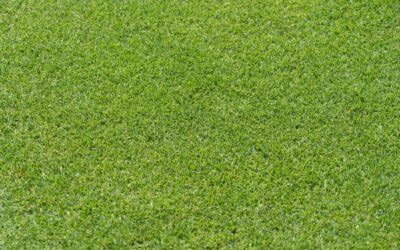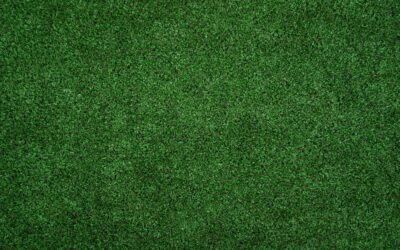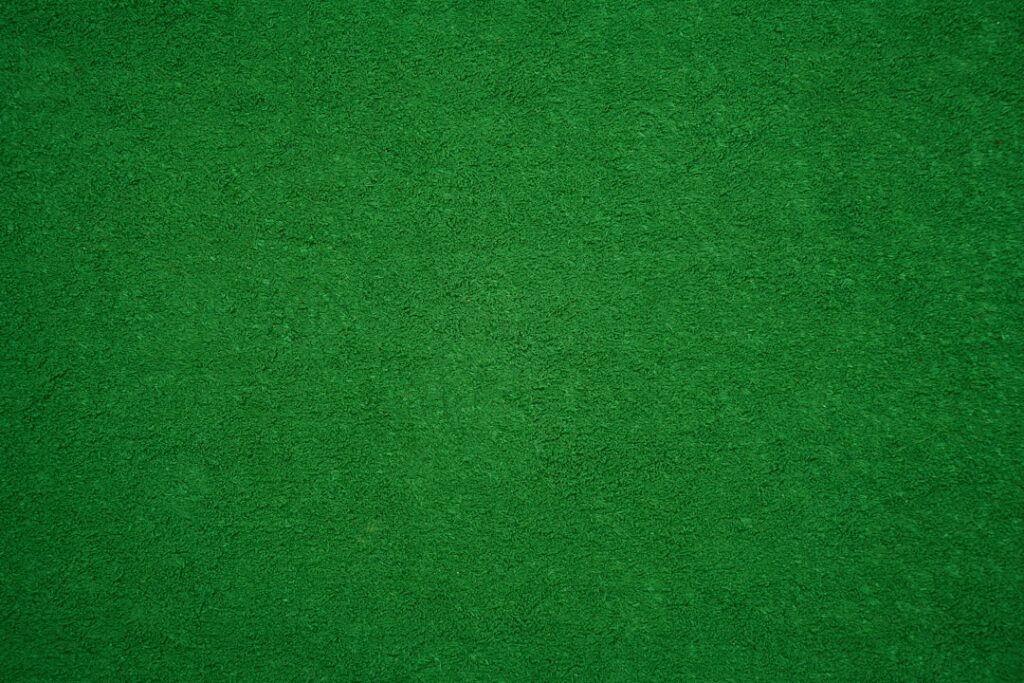
Green turf carpet gives you the look of fresh grass without the mowing, watering, or mud, making it a popular choice for patios, balconies, play areas, and even indoor accent spaces. Sometimes called artificial turf, indoor-outdoor carpet, or grass carpet, this synthetic flooring has come a long way from the flat plastic mats of decades past. Today’s options range from short, tight commercial styles to lush, lifelike landscape turf. This guide helps you choose, install, and maintain it.
What Green Turf Carpet Is
Green turf carpet is a synthetic surface made from durable plastic fibers, usually polyethylene, polypropylene, or nylon, tufted into a backing to mimic the appearance of a grass lawn. Unlike traditional carpet meant for living rooms, turf carpet is engineered to handle moisture, sunlight, and outdoor temperature swings. The result is a forgiving, low-maintenance surface that stays green year-round.
It comes in rolls and as carpet tiles, and you will find it in a wide spectrum of styles. Some products are dense and tall to imitate a real lawn, while others are short and flat for sport courts, trade show floors, and patios. Knowing which type suits your project is the first step.
Common Types and Their Uses
Turf carpet falls into a few broad categories, each suited to different jobs:
- Landscape turf: Tall, soft, and realistic, designed to replace a lawn in yards, around pools, and on rooftop gardens.
- Indoor-outdoor carpet: Short, flat, and tightly woven, used on patios, decks, porches, and basements where a simple green surface is enough.
- Sport and play turf: Built for cushioning and traffic on putting greens, batting cages, and playgrounds, often paired with a shock pad.
- Pet turf: Engineered with enhanced drainage and odor-resistant backing for dog runs and pet areas.
Matching the type to your use prevents disappointment. Landscape turf on a putting green will be too soft, and flat indoor-outdoor carpet in a yard will look obviously artificial.
Pros and Cons to Weigh
Green turf carpet offers real advantages, but it is not perfect for every situation. On the plus side, it eliminates mowing and watering, stays green in drought, drains well when properly installed, and provides a soft, even surface for kids and pets. It is also resistant to mud and dirt, which keeps the mess outdoors.
On the downside, quality turf has an upfront cost, darker products can get hot in direct summer sun, and lower-grade turf can fade or flatten over time. It also does not provide the cooling and ecological benefits of living grass. Weighing these honestly against your needs helps you decide if turf is the right call.
What It Costs
Pricing depends heavily on quality and thickness. Basic flat indoor-outdoor green carpet often runs $1 to $3 per square foot, while realistic landscape turf typically falls between $3 and $8 per square foot for the material alone. Premium pet and sport turf can run higher. Professional installation, including ground preparation and infill, frequently adds $4 to $9 per square foot for outdoor landscape projects.
For a simple patio or balcony, material cost may be all you need to budget. For a full backyard turf lawn, the prep work, base material, and infill make professional installation the larger expense, so get a few quotes before committing.
Installation Basics
Installation varies sharply between a simple patio rollout and a full landscape project. For a hard surface like concrete or a deck, the process is straightforward:
- Clean and dry the surface completely, then let the turf acclimate in the sun so it lies flat.
- Cut the turf to fit, allowing for trimming at the edges.
- Secure it with outdoor double-sided turf tape, adhesive, or fasteners suited to the surface.
- Seam multiple pieces with seaming tape and adhesive, keeping the grain direction consistent so the color matches.
For a ground installation, the work is much heavier. You excavate the area, lay and compact a base of crushed stone for drainage, add a layer of sand, roll out the turf, secure the edges with stakes or a bender board, and brush in infill like silica sand to keep the blades upright. Proper drainage is critical, since standing water breeds odor and mildew. Many homeowners hire professionals for the ground-prep portion and handle simpler patio jobs themselves.
Drainage and Sub-Base
Drainage is the difference between turf that lasts and turf that smells. Quality turf carpet has a perforated backing that lets water pass through, but it only works if the surface beneath drains too. On concrete, make sure water can run off to a drain rather than pooling. On ground installations, the compacted crushed-stone base is what carries water away from the surface.
For pet areas, this matters even more. Pet turf relies on free drainage plus periodic rinsing to keep odors down, so never install it over a surface that traps moisture. Skimping on the base is the most common reason turf installations fail.
Maintenance and Care
One of the biggest draws of green turf carpet is how little upkeep it needs, but a little goes a long way. Rinse it occasionally with a hose to remove dust and pollen, and brush the fibers against the grain with a stiff broom to keep taller turf looking full. Remove leaves and debris with a leaf blower or plastic rake rather than a metal one that could snag the backing.
For pet areas, rinse waste zones regularly and use an enzyme-based turf cleaner to control odor. Keep hot items like grills and fire pits away, since intense heat can melt synthetic fibers. With basic attention, quality green turf carpet can stay attractive and functional for 10 to 15 years or more, delivering a green surface that asks far less of you than a living lawn ever would.
Choosing Quality Over Price
It is tempting to grab the cheapest green turf carpet you can find, but quality differences show quickly. Look at the face weight, which measures how much fiber is packed into the turf; higher face weight generally means a denser, more realistic, and more durable product. Check the stitch rate too, since tightly stitched turf holds up better under traffic and resists shedding.
UV stabilization is another feature worth confirming, especially for sunny patios and yards. Quality turf is treated to resist fading, while cheap turf can turn pale and brittle within a couple of seasons of strong sun. For realism, the best products mix several shades of green with tan or brown thatch fibers at the base, mimicking the look of natural grass rather than a flat, uniform carpet. Spending a little more on a well-made product usually pays off in years of extra service.