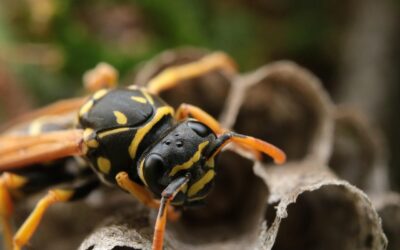
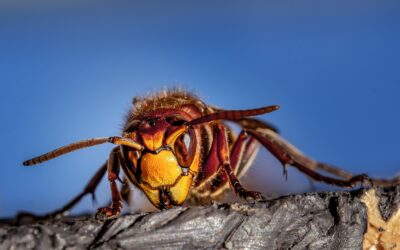
You are mowing the lawn and suddenly wasps are boiling up out of a hole in the ground. Ground-nesting wasps, usually yellowjackets, build underground colonies that can hold thousands of insects by late summer, and they defend those nests aggressively. Ground wasp nest removal is doable for a homeowner in the right circumstances, but it carries real danger, and the single most important thing to understand before you start is that stings can cause life-threatening allergic reactions. If anyone in your household is allergic, or the nest is large or hard to reach, this is a job for a licensed pest control professional, full stop.
This guide covers how to do it as safely as possible if you choose the DIY route, and just as importantly, when not to.
- Safety First: Know the Risks
- Treat at Dusk, Never in Daytime
- Wear Full Protective Clothing
- Choosing a Treatment Method
- What You Must Never Do
- After Treatment and Prevention
- Identify the Insect Before You Treat
- Have an Emergency Plan Ready
- When to Simply Call a Pro
- Frequently Asked Questions
- When is the best time for ground wasp nest removal?
- Should I call a professional or do it myself?
- Is it safe to pour gasoline or use fire on a nest?
- What should I do if I get stung?
- How many treatments does it take?
- Will ground wasps die off on their own?
- Do yellowjackets reuse the same ground nest next year?
- Is it safe for kids and pets after treating a ground wasp nest?
- The Bottom Line
Safety First: Know the Risks
Wasp stings hurt, but the true hazard is an allergic reaction. A single sting can trigger anaphylaxis in a sensitive person, throat swelling, difficulty breathing, dizziness, and shock, which is a medical emergency. Call 911 immediately for any severe reaction, and keep an epinephrine auto-injector on hand if anyone in the home has a known allergy. Even people without allergies can be seriously hurt by a mass attack of dozens of stings.
Because of these risks, hire a licensed pest professional if any of the following apply: the nest is large, it is inside a wall or structure, it is near a doorway or high-traffic area, you cannot identify the insect, or anyone in the household has a sting allergy. A professional treatment typically runs $100 to $300 and removes all the guesswork and danger.
Treat at Dusk, Never in Daytime
Timing is everything. Wasps are most active and aggressive during the day when they are foraging. At dusk or after dark, nearly the entire colony is back inside the nest and the insects are cool, sluggish, and far less likely to swarm. Treat the nest at dusk or dawn, never in the heat of the day. Do not shine a bright white flashlight directly at the entrance, wasps navigate toward light; use a red-filtered light or position a dim light off to the side.
Wear Full Protective Clothing
Cover every inch of skin. Wear:
- A long-sleeve shirt and long pants, ideally thick or tucked-in layers
- Gloves and closed shoes with socks pulled over the pant cuffs
- A hat and a face covering or a beekeeper-style veil
- Wraparound eye protection
Wasps can sting through thin fabric, so double up. Have a clear, unobstructed escape path planned before you approach.
Choosing a Treatment Method
The safest DIY approach is a commercial wasp-and-hornet spray with a jet nozzle that shoots 15 to 20 feet, so you can treat from a distance. For ground nests, products labeled for yellowjackets, or an insecticidal dust like carbaryl (Sevin) puffed into the entrance, work well because returning wasps carry the dust deeper into the colony.
- At dusk, approach quietly from upwind with your escape route behind you.
- Apply the spray or puff dust directly into the ground entrance for several seconds.
- Do not stand over the hole, treat from the side and back away immediately.
- Leave the area and do not cover the hole yet, since trapped wasps may dig new exits.
- Return the next evening. If activity continues, re-treat. It can take one to three applications.
- Once activity stops for a couple of days, you can fill the hole with soil.
What You Must Never Do
Do not pour gasoline, kerosene, or any fuel into the nest, and never use fire. This is a dangerous myth that causes serious burns, poisons the soil, and creates explosion and fire hazards, and it is illegal in many places. It also does not reliably kill the colony. Pouring boiling water is sometimes suggested but rarely reaches the whole nest and provokes a defensive swarm. Stick to labeled insecticide products used exactly as directed.
After Treatment and Prevention
Once the colony is dead, fill and tamp the entrance so a new queen does not reuse it. To prevent future nests, keep trash cans sealed, clean up fallen fruit and sugary spills outdoors, fill abandoned rodent burrows where yellowjackets like to nest, and inspect the yard early in the season when nests are small and far easier to handle.
Identify the Insect Before You Treat
Not every ground-nesting stinger is a yellowjacket, and correct identification changes your approach. Yellowjackets are aggressive social wasps that build large paper nests underground or in wall voids and defend them fiercely, these are the ones that warrant careful removal. Ground-nesting solitary bees and cicada killers, by contrast, are far less aggressive; they nest individually in small dirt holes, rarely sting, and are important pollinators or beneficial predators you may choose to leave alone. Bumblebees sometimes nest in abandoned rodent burrows and are docile unless directly threatened. If you are not certain what you are dealing with, do not treat it, call a professional to identify and handle it, especially since honeybees are protected and should be relocated by a beekeeper rather than killed.
Have an Emergency Plan Ready
Before you approach any nest, prepare for the worst case. Know where your nearest phone is and keep it on you so you can call 911 without delay. If anyone in the household has a known sting allergy, have their prescribed epinephrine auto-injector within reach and make sure a second person knows how to use it. Plan a clear, unobstructed retreat path away from the nest, and never treat a nest while standing on a ladder or elevated surface, where a panicked retreat could cause a fall. Keep children and pets indoors during and after treatment. If you are stung multiple times, or even once and you have never been stung before, watch closely for swelling beyond the sting site, hives, nausea, or breathing trouble, and get emergency help immediately if any appear.
When to Simply Call a Pro
The math often favors hiring out. A licensed pest professional charges roughly $100 to $300 to eliminate a ground nest, arrives with a bee suit and commercial-grade products, and assumes all the risk. Against a potential emergency-room bill and the danger of a mass sting attack, that is money well spent, particularly for large late-season colonies, nests inside walls or under decks, or any situation involving allergies. There is no shame in leaving this job to someone equipped for it, aggressive yellowjackets injure thousands of people every year, and professional removal takes the danger off your shoulders entirely.
Frequently Asked Questions
When is the best time for ground wasp nest removal?
At dusk or after dark, when nearly all the wasps are inside the nest and are cool and sluggish. Daytime treatment is far more dangerous because foraging wasps are active and defensive. Use a dim, ideally red, light and never a bright flashlight aimed at the entrance.
Should I call a professional or do it myself?
Call a licensed pest professional if the nest is large, inside a wall, near a doorway, or if anyone in the household has a sting allergy. DIY is only reasonable for a small, accessible outdoor ground nest when no one is allergic and you have proper protective gear.
Is it safe to pour gasoline or use fire on a nest?
No, never. Gasoline and fire cause severe burns, explosions, and soil contamination, and they do not reliably kill the colony. Use only insecticide products labeled for wasps and yellowjackets, applied exactly as the label directs.
What should I do if I get stung?
Move away quickly, wash the area, and apply ice for pain and swelling. Watch for signs of a severe reaction, trouble breathing, throat or facial swelling, dizziness, or widespread hives, and call 911 immediately if any appear. People with known allergies should use an epinephrine auto-injector and seek emergency care.
How many treatments does it take?
Often one to three evening applications. Return the next dusk to check activity and re-treat if wasps are still coming and going. Wait until you see no activity for a couple of days before filling the entrance hole.
Will ground wasps die off on their own?
Yes. Yellowjacket colonies die out after the first hard frosts in late fall, and only newly mated queens survive the winter, sheltering elsewhere. If a nest is in a far corner of the yard with little foot traffic, simply marking it and keeping people and pets away until cold weather can be the safest option. Treat nests near paths, play areas or mowing routes.
Do yellowjackets reuse the same ground nest next year?
They rarely reuse an old nest. Each spring a surviving queen starts a new colony, often in an empty rodent burrow or soft soil, and that can be close to last year’s site. Filling and tamping old holes, sealing rodent burrows and checking the yard in late spring, when nests are tiny, keeps a new colony from settling in.
Is it safe for kids and pets after treating a ground wasp nest?
Keep children and pets away until the label’s re-entry time has passed and the area is dry, and longer if wasps are still flying. Insecticidal dust stays in and around the entrance, so block access or cover the spot loosely with a bucket weighted down once activity stops. Store all products out of reach and follow the label for disposal.
The Bottom Line
Ground wasp nest removal can be handled safely by a careful homeowner only under the right conditions: a small, accessible nest, no allergies in the household, treatment at dusk, full protective clothing, and a proper labeled insecticide applied from a distance. Never use gasoline or fire, never treat in daytime, and never risk it if anyone could have a severe sting reaction. When in doubt, spend the money on a licensed professional, it is far cheaper than an emergency room visit.