If your grout lines have turned a dingy gray-brown and you dread the idea of scrubbing or regrouting, grout tape promises a shortcut: a thin, self-adhesive strip you press over old grout lines to instantly refresh their color. It has exploded in popularity thanks to social media, and for the right situation it genuinely works. But it is not a substitute for real grout, and understanding what it can and cannot do will keep you from wasting a weekend on a fix that peels off in a month. Let me walk you through the honest reality of grout tape.
What Grout Tape Actually Is
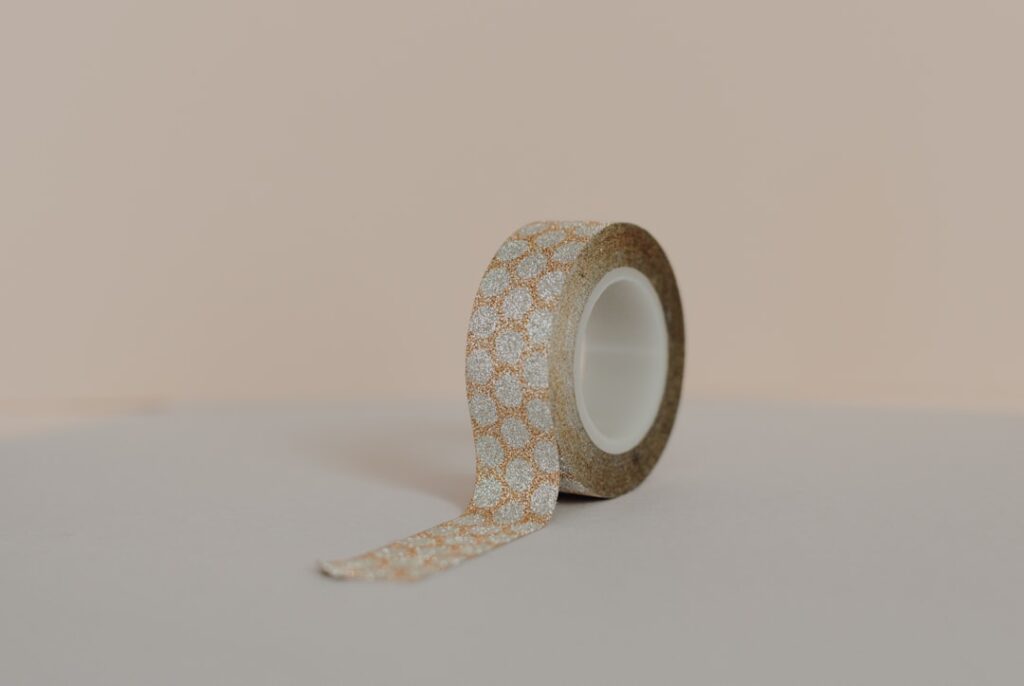
Grout tape is a narrow roll of waterproof, adhesive-backed material, usually PVC or a coated vinyl, designed to lay directly over existing grout lines. Most rolls come in widths around 1/8 to 1/4 inch and lengths of 40 to 60 feet, in colors like white, black, gray, gold, and silver. You peel the backing and press the strip along the grout joint, covering the discolored grout with a fresh, uniform line of color. It is cosmetic, sitting on top of the tile surface rather than filling the joint like cementitious grout.
Where Grout Tape Works Best
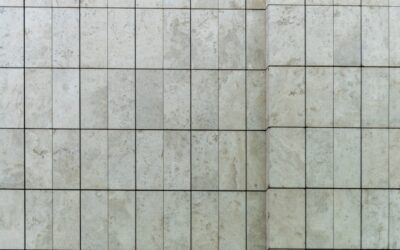
Grout tape performs best on flat wall surfaces with clean, straight grout lines. Think kitchen backsplashes, bathroom walls above the vanity, and laundry room accents. On these low-moisture, low-wear surfaces, the tape can hide stained grout and give a room a quick facelift for a fraction of the cost and mess of regrouting.
It is also handy for renters who cannot make permanent changes, or for staging a home before sale. In these cases you want a temporary, reversible improvement, and grout tape delivers exactly that.
Where It Fails
Be realistic about the limits. Grout tape struggles anywhere it faces standing water, heavy traffic, or heat:
- Shower floors and walls with direct spray: constant water works under the edges and the tape peels.
- Floors: foot traffic, grit, and mopping lift the tape quickly.
- Textured or uneven grout lines: the tape cannot conform and traps gaps where dirt collects.
- Behind cooktops: heat degrades the adhesive.
On these surfaces, the tape may look great for a few weeks and then start lifting at the corners, which looks worse than the original stained grout. If your problem area is a shower floor, you are better off regrouting or using a grout colorant.
How to Apply Grout Tape
Preparation is everything with adhesive products. Rushing the prep is the single biggest reason grout tape fails. Follow these steps for the best result:
- Clean thoroughly: scrub the grout lines with a degreaser, kill any mold with a diluted bleach solution, and remove all soap scum and residue.
- Dry completely: let the surface dry for several hours. Any moisture ruins adhesion.
- Measure and cut: measure each grout line, cut the tape slightly long, and trim after pressing.
- Apply slowly: peel a few inches of backing at a time and press the tape firmly and straight down the joint. Use a plastic smoothing tool to seat the edges.
- Seal the edges: in areas with any moisture, run a bead of clear silicone along the tape edges for extra hold.
Work in good light and take your time keeping lines straight, because crooked tape is glaringly obvious against a tile grid.
Grout Tape vs Grout Pen vs Regrouting
Grout tape is one of three common refresh options, and each has its place. A grout pen or grout colorant paints new color onto cleaned, existing grout; it is more durable than tape in wet areas and follows the joint contour, but it takes more effort and does not fill cracks. Regrouting, removing the top layer of old grout and applying fresh, is the only true repair, ideal when grout is cracked, crumbling, or in a wet shower. Grout tape is the fastest and cheapest of the three, but also the least durable.
- Grout tape: fastest, cheapest, cosmetic, best on dry walls.
- Grout pen: moderate effort, better in damp areas, recolors but does not repair.
- Regrout: most work, permanent, the right call for damaged or shower grout.
How Long Grout Tape Lasts
On a dry backsplash or wall, well-applied grout tape can last one to three years before edges begin lifting. In a bathroom with humidity but no direct spray, expect closer to six to twelve months. On any wet or high-traffic surface, plan on weeks, not months. Sealing the edges with silicone and keeping the area dry stretches its life considerably.
Cost and Value
A roll of grout tape runs about $8 to $15 and covers a small backsplash. Compared with hiring a pro to regrout, which can cost several hundred dollars, the value for a quick cosmetic refresh is obvious. Just go in with clear expectations: you are buying a temporary makeover, not a permanent repair. Factor in the cost of prep supplies too, since a degreaser, a mildew remover, and a tube of clear silicone add another $15 to $25 to the project. Even with those extras, the total lands well under what a professional regrout would cost, which is exactly why grout tape has become such a popular weekend fix for tired backsplashes.
Colors and Finishes Available
Grout tape comes in more options than most people expect, which lets you either match the existing grout or make a deliberate design change. White is the most popular for brightening a tired backsplash, while gray blends naturally with most tile and hides dirt between cleanings. Black grout tape creates the bold, graphic grid that is so popular in modern kitchens, turning plain white subway into a statement without any regrouting.
Metallic finishes in gold, silver, and rose gold have become a trend for adding a touch of glamour to a bathroom or bar backsplash. These metallic tapes are purely decorative and belong only on dry walls, since moisture defeats them quickly. When choosing a color, hold a sample against your tile in the room’s actual lighting; a stark white tape can look too bright against a warm cream tile, and a gray that looked neutral in the store can read blue under LED bulbs.
Whatever color you choose, buy one extra roll. Matching a second roll later can be tricky if the manufacturer tweaks the shade, and having spare tape makes it easy to touch up a lifted corner down the road.
The Verdict
Grout tape is a legitimate, low-cost tool for refreshing tired grout on dry walls and backsplashes, and it is perfect for renters or a fast pre-sale refresh. What it is not is a fix for cracked, crumbling, or shower-floor grout, where water and wear will defeat it fast. Prep the surface meticulously, seal the edges, and use it in the right spots, and grout tape can buy you a clean, updated look for a weekend’s effort and the price of a coffee.
Prefer to explore on your own?
See how new flooring looks in your actual room in seconds — free, no signup.
Try the free Floor Studio →