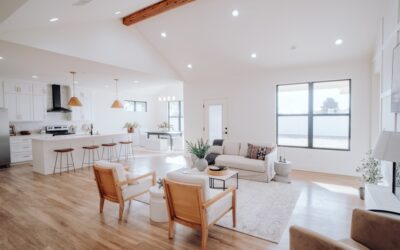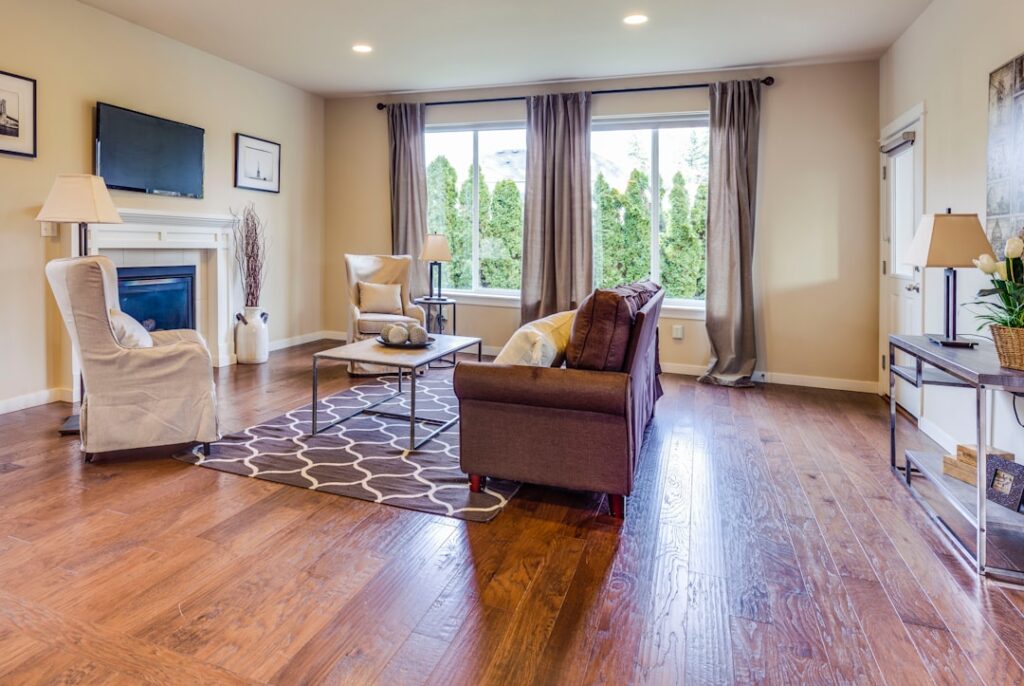
Hardwood flooring is one of the most sought-after features in any home. Prized for its natural beauty, warmth, and longevity, a well-installed hardwood floor can last 50 to 100 years or longer with proper care and periodic refinishing. Whether you are building a new home, renovating an existing one, or simply replacing worn-out carpet or vinyl, hardwood floors deliver timeless appeal and lasting value that few other flooring materials can match.
- What Is Hardwood Flooring?
- Types of Hardwood Flooring
- Popular Hardwood Species
- Hardwood Grades and Cuts
- Hardwood Flooring Types Compared
- Hardwood Flooring Cost Overview
- Hardwood Flooring Installation Methods
- Pros and Cons of Hardwood Flooring
- Durability and the Janka Hardness Scale
- Refinishing Hardwood Floors
- Maintenance and Care
- Design Options: Stains, Widths & Patterns
- Best Uses for Hardwood Flooring
- DIY vs. Professional Hardwood Flooring Installation
- Hardwood Flooring vs. Other Flooring Types
- Hardwood vs. Engineered Wood
- Hardwood vs. Laminate
- Hardwood vs. Luxury Vinyl Plank (LVP)
- Hardwood vs. Tile
- Frequently Asked Questions About Hardwood Flooring
- How long does hardwood flooring last?
- How much does hardwood flooring cost to install?
- Is hardwood flooring worth it?
- Can hardwood flooring be installed over concrete?
- What is the best hardwood for high-traffic areas?
- How often should hardwood floors be refinished?
- What is the difference between solid and engineered hardwood?
- Can I install hardwood flooring myself?
- Is hardwood flooring good for pets?
- Final Thoughts
In this comprehensive guide, we cover everything you need to know about wood flooring—from the different types and species available to installation methods, cost considerations, maintenance, refinishing, design options, and the best applications for every room. If you are comparing hardwood to alternatives like engineered wood flooring, laminate flooring, or luxury vinyl plank, you will find every answer here.
What Is Hardwood Flooring?
Hardwood flooring is a natural flooring material milled from harvested timber. Each plank is cut from a single piece of solid wood or, in the case of engineered hardwood, from a top layer of real wood bonded to a plywood or high-density fiberboard (HDF) core. The defining characteristic of hardwood flooring is that its wear surface is genuine wood, which can be sanded and refinished multiple times over its lifespan to restore its original beauty.
Hardwood has been used as a flooring material for centuries. In North America, the tradition dates back to the colonial era, when wide pine and oak boards were hand-hewn and laid across floor joists. Modern manufacturing has refined the process dramatically, producing precisely milled planks with tongue-and-groove profiles that fit together seamlessly. Today, hardwood flooring is available in dozens of domestic and exotic wood species, a wide range of plank widths and lengths, and an extensive palette of stain colors and finishes.
The appeal of hardwood goes beyond aesthetics. Real wood floors regulate indoor humidity by absorbing and releasing moisture, contribute to healthier indoor air quality by not harboring allergens like carpet does, and add measurable resale value to a home. According to the National Association of Realtors, hardwood flooring is one of the top features homebuyers look for, and homes with hardwood floors consistently sell faster and at higher prices than comparable homes without them.
Types of Hardwood Flooring
The hardwood flooring market is broadly divided into two categories: solid hardwood and engineered hardwood. Understanding the differences is essential for choosing the right product for your space, budget, and lifestyle.
Solid Hardwood Flooring
Solid hardwood flooring is milled from a single piece of lumber, typically 3/4 inch thick. Because the entire plank is solid wood from top to bottom, it can be sanded and refinished numerous times—often 8 to 10 times or more over its lifetime. This makes solid hardwood one of the longest-lasting flooring materials available, with many floors serving beautifully for 75 to 100 years.
Solid hardwood is installed by nailing or stapling each plank to a plywood or oriented strand board (OSB) subfloor. It is not recommended for installation below grade (basements) or directly over concrete, because solid wood expands and contracts significantly with changes in humidity. This dimensional movement is a natural characteristic of real wood, and it is why solid hardwood performs best in climate-controlled, above-grade living spaces.
The most common plank widths for solid hardwood are 2-1/4 inch, 3-1/4 inch, and 5 inch, though wider planks up to 7 inches or more are available for a more rustic or contemporary look. Solid hardwood comes in both unfinished and prefinished hardwood flooring options. Prefinished planks are sanded, stained, and sealed at the factory, which eliminates dust and fumes during installation and allows you to walk on the floor immediately after it is laid.
Engineered Hardwood Flooring
Engineered hardwood flooring features a top layer (called the wear layer or veneer) of real hardwood bonded to multiple layers of plywood, HDF, or softwood arranged in a cross-grain configuration. This layered construction gives engineered hardwood superior dimensional stability compared to solid wood, making it far less susceptible to expansion and contraction caused by temperature and humidity fluctuations.
The wear layer on engineered hardwood typically ranges from 1 to 6 millimeters thick. A thicker wear layer allows for more sandings and refinishings over the life of the floor. Products with a 4 mm or thicker wear layer can generally be sanded and refinished 2 to 4 times, which provides decades of service life. Thinner wear layers (1 to 2 mm) may allow only a light screen-and-recoat rather than a full sanding.
Engineered hardwood can be installed using nail-down, glue-down, or floating methods, and it is suitable for every level of the home including basements and over radiant heat systems. It is also approved for installation directly over concrete slabs, which makes it the go-to choice for condominiums, apartments, and slab-on-grade construction. For a detailed comparison, see our engineered wood flooring guide.
Prefinished vs. Unfinished Hardwood
Prefinished hardwood flooring arrives at your home already sanded, stained, and coated with multiple layers of factory-applied finish—usually aluminum oxide-infused polyurethane. The factory finish is applied under controlled conditions with UV curing, producing a harder, more durable coating than most site-applied finishes. Prefinished floors can be walked on immediately after installation, eliminating the 3 to 5 day wait required for site-finished floors to cure.
Unfinished hardwood is installed raw and then sanded, stained, and sealed on site. The primary advantage is a perfectly smooth, seamless appearance—the finish fills the micro-bevels between planks, creating a surface that looks and feels like one continuous plane. Unfinished also gives you unlimited color choices, since the stain is mixed and applied on site. The tradeoff is higher installation cost, significant dust and fumes during finishing, and a longer overall project timeline.
Popular Hardwood Species
The species of wood you choose determines the color, grain pattern, hardness, and price of your hardwood floors. Here is an in-depth look at the most popular species for residential flooring.
Oak
Oak is the undisputed king of hardwood flooring in North America, accounting for roughly half of all hardwood floors installed. Two varieties dominate: red oak and white oak. Red oak features a warm, pinkish-brown tone with prominent grain patterns and a Janka hardness rating of 1,290. White oak is slightly harder at 1,360 on the Janka scale and displays a cooler, golden-brown hue with a tighter, more subtle grain.
White oak has surged in popularity in recent years, driven by the trend toward lighter, natural-looking finishes and European-style wide planks. Its closed grain structure also makes it more water-resistant than red oak, which is why white oak is the preferred species for herringbone and parquet flooring patterns. Both red and white oak accept stains beautifully, so they can be finished in virtually any color from pale natural to deep espresso.
Maple
Hard maple (also called sugar maple or rock maple) is one of the hardest domestic species at 1,450 on the Janka scale. It features a light, creamy color with a subtle, fine grain that creates a smooth, contemporary appearance. Maple is an excellent choice for modern interiors, Scandinavian-inspired designs, and any space where you want a clean, uniform look.
Because of its density, maple can be more challenging to stain evenly—it tends to produce a blotchy appearance with darker stain colors. For this reason, maple floors look their best with a clear natural finish or a very light stain. Maple is widely used in gymnasiums, dance studios, and bowling alleys due to its exceptional hardness and shock resistance.
Hickory
Hickory is the hardest widely available domestic hardwood species, boasting a Janka rating of 1,820—roughly 40 percent harder than red oak. Its dramatic grain patterns, substantial color variation (ranging from creamy white sapwood to deep brown heartwood), and exceptional toughness make it a favorite for rustic, farmhouse, and transitional interiors.
Hickory’s extreme hardness makes it highly resistant to dents and scratches, which is why it is a top choice for homes with large dogs, active children, and heavy foot traffic. The bold grain character means hickory floors make a strong visual statement, so they pair best with simpler furnishings and neutral wall colors that let the floor take center stage.
Walnut
American black walnut is prized for its rich, chocolate-brown color and elegant, flowing grain. With a Janka rating of 1,010, walnut is softer than oak and maple, which means it is more susceptible to dents and scratches. However, its unmatched warmth and sophistication make it a perennial favorite for formal living rooms, dining rooms, and master bedrooms.
Walnut is one of the few species that looks stunning with a clear, natural finish—the deep brown heartwood and lighter sapwood create a beautiful, organic contrast without any stain. It is a premium species, typically costing 30 to 50 percent more than oak, but the visual impact is worth the investment for homeowners who appreciate fine woodwork.
Cherry
American cherry (also called black cherry) is beloved for its warm, reddish-brown tones that deepen and mature with age and light exposure. A newly installed cherry floor will appear pinkish, but within 6 to 12 months of exposure to sunlight, it develops the rich, amber patina that defines the species. Cherry has a Janka rating of 950, making it one of the softer hardwood flooring species.
Cherry’s softness means it dents more easily, so it is best suited for bedrooms, formal dining rooms, and low-traffic spaces rather than kitchens and entryways. Its elegant, satiny grain and warm coloring create a traditional, inviting atmosphere that works beautifully in Colonial, Federal, and classic American home styles.
Bamboo
Bamboo flooring is technically a grass, not a hardwood, but it is sold and installed alongside traditional hardwood products. Strand-woven bamboo—the most durable variety—reaches a Janka hardness of 3,000 or higher, making it harder than any domestic hardwood species. Standard bamboo (horizontal or vertical construction) rates around 1,380, similar to white oak.
Bamboo is an eco-friendly option because it regenerates from its root system and reaches harvestable maturity in 5 to 7 years, compared to 40 to 60 years for oak. It is available in natural (blonde), carbonized (caramelized), and stained finishes. For a full overview of benefits and drawbacks, visit our bamboo flooring guide.
Hardwood Grades and Cuts
Beyond species, the grade and cut of hardwood affect its appearance, consistency, and cost. Understanding these classifications helps you select the right product for your design vision and budget.
Grades
Hardwood flooring is graded based on its visual characteristics—primarily the amount of color variation, mineral streaks, knots, and other natural features present in the wood. The National Wood Flooring Association (NWFA) recognizes several standard grades:
- Select (or Clear) grade: The highest quality grade, featuring a uniform color, minimal grain variation, and virtually no knots, mineral streaks, or other character marks. Select grade creates a clean, formal appearance and commands the highest price.
- #1 Common grade: Allows moderate color variation, small knots, and some mineral streaking. This grade provides a natural, lived-in look and is the most popular choice for residential installations because it balances visual appeal with cost.
- #2 Common grade: Permits significant color variation, larger knots, worm holes, and more prominent character marks. This grade delivers a rustic, character-rich appearance and is the most affordable. It pairs well with farmhouse, industrial, and vintage design styles.
- Character or Cabin grade: The most rustic grade, with wide color variation, large open knots, and heavy character marks. Some manufacturers fill knots with epoxy or wood filler for structural integrity. This grade is popular for barn-style homes and intentionally distressed floors.
Cuts
The way lumber is sawn from the log affects the grain pattern, dimensional stability, and visual appeal of the finished flooring:
- Plainsawn (flatsawn): The most common and economical cut, where the log is sliced tangentially to the growth rings. Plainsawn boards display the familiar cathedral or flame-shaped grain pattern. This cut produces the most board footage per log, keeping costs down, but it is the most susceptible to seasonal expansion and cupping.
- Quartersawn: The log is first quartered, then each quarter is sawn perpendicular to the growth rings. This produces boards with straight, parallel grain lines and distinctive fleck patterns (especially visible in white oak, where they are called medullary rays). Quartersawn lumber is significantly more dimensionally stable than plainsawn and resists cupping and warping, but it yields less usable material per log, making it more expensive.
- Riftsawn: A variation of quartersawing where each board is cut at a 30- to 60-degree angle to the growth rings. Riftsawn produces the straightest, most uniform grain pattern with no cathedral arches and minimal fleck. It is the most expensive cut due to the highest amount of waste, but it delivers the cleanest, most contemporary aesthetic.
Hardwood Flooring Types Compared
| Species | Janka Hardness | Color | Cost/Sq Ft (Installed) | Stability | Best Use |
|---|---|---|---|---|---|
| Red Oak | 1,290 | Pinkish-brown, strong grain | $6 – $12 | Moderate | Whole-home, traditional interiors |
| White Oak | 1,360 | Golden-brown, subtle grain | $7 – $14 | Good | Whole-home, modern & traditional |
| Maple | 1,450 | Creamy white, fine grain | $7 – $13 | Moderate | Contemporary, light-toned spaces |
| Hickory | 1,820 | Cream to brown, dramatic grain | $6 – $12 | Moderate | High-traffic, rustic, pet-friendly |
| Walnut | 1,010 | Dark chocolate brown | $9 – $16 | Good | Formal rooms, luxury interiors |
| Cherry | 950 | Reddish-brown, deepens over time | $8 – $14 | Moderate | Bedrooms, dining rooms, low traffic |
| Bamboo (strand-woven) | 3,000+ | Blonde to caramelized | $5 – $10 | Very Good | Eco-friendly, high traffic |
| Engineered Hardwood | Varies by species | Any species veneer | $6 – $15 | Excellent | Basements, over concrete, radiant heat |
Hardwood Flooring Cost Overview
The cost of hardwood floor installation varies based on the species, grade, plank width, whether the product is solid or engineered, prefinished or unfinished, and the installation method. On average, professionally installed hardwood flooring costs $6 to $15 per square foot including materials and labor. Here is a breakdown of typical costs:
- Solid oak (red or white): $6 to $14 per sq ft installed
- Solid maple: $7 to $13 per sq ft installed
- Solid hickory: $6 to $12 per sq ft installed
- Solid walnut: $9 to $16 per sq ft installed
- Solid cherry: $8 to $14 per sq ft installed
- Engineered hardwood (mid-grade): $6 to $15 per sq ft installed
- Prefinished hardwood: $7 to $14 per sq ft installed
- Unfinished hardwood (with site finishing): $8 to $16 per sq ft installed
- Exotic species (Brazilian cherry, teak, acacia): $10 to $22 per sq ft installed
Material costs alone typically account for $3 to $10 per square foot, while labor adds $3 to $8 per square foot depending on the installation method, the complexity of the layout, and regional labor rates. Additional costs may include subfloor preparation ($1 to $3 per sq ft), removal of existing flooring ($1 to $2 per sq ft), stair installation ($75 to $150 per step), and custom finishing ($2 to $4 per sq ft for unfinished floors).
For a 1,000-square-foot home renovation with mid-grade white oak, homeowners typically spend $8,000 to $14,000 for a complete hardwood floor installation. For a detailed pricing analysis, visit our hardwood floor installation guide.
Hardwood Flooring Installation Methods
The installation method you choose depends on the type of hardwood (solid or engineered), the subfloor material, and the location within your home. Here are the three primary methods used for hardwood floor installation.
Nail-Down Installation
Nail-down (or staple-down) installation is the traditional method used for solid hardwood flooring and is widely considered the gold standard. Each plank is fastened to the wood subfloor using a pneumatic floor nailer that drives cleats or staples through the tongue of the plank at a 45-degree angle. This blind-nailing technique hides the fasteners beneath the adjoining plank, creating a seamless appearance.
Nail-down installation requires a wood subfloor—either plywood (minimum 3/4 inch thick) or OSB. It cannot be used over concrete. This method provides the most secure, rigid connection between the flooring and subfloor, which minimizes movement, creaking, and hollow spots. It is the preferred method for solid hardwood in above-grade living spaces such as living rooms, bedrooms, hallways, and dining rooms.
A felt or rosin paper underlayment is typically laid over the subfloor before installation to reduce squeaks and provide a minor moisture barrier. Installation speed for an experienced professional is approximately 200 to 300 square feet per day for standard 2-1/4 inch strip flooring and slightly less for wider planks.
Glue-Down Installation
Glue-down installation uses a high-quality flooring adhesive to bond each plank directly to the subfloor. This method works on both wood and concrete substrates, making it the most versatile option. It is commonly used for engineered hardwood installed over concrete slabs, and it is also suitable for solid hardwood in certain applications.
The adhesive is spread across the subfloor using a trowel with the appropriate notch size (specified by the adhesive manufacturer). Each plank is then pressed into the adhesive and tapped tightly against the adjacent plank. Glue-down installation creates an extremely solid feel underfoot—there is no hollow sound or flex because every square inch of the plank is bonded to the substrate.
This method is particularly popular for wide-plank floors (5 inches and wider) and for installations over radiant heat systems, where the full contact between flooring and subfloor maximizes heat transfer. The main drawback is that glue-down floors are more difficult to remove and replace than nail-down or floating floors if changes are needed in the future.
Floating Installation
A floating floor is not attached to the subfloor at all. Instead, the planks are connected to each other using a click-lock mechanism (for engineered products) or tongue-and-groove glue. The assembled floor rests on top of an underlayment pad and is held in place by gravity and friction. Expansion gaps along the perimeter walls allow the entire floor to expand and contract as a unit.
Floating installation is the fastest and most DIY-friendly method. It can be used over concrete, plywood, existing hard-surface flooring (vinyl, tile), and even some types of low-pile carpet. It is exclusively used for engineered hardwood—solid hardwood should never be floated because its greater thickness and dimensional movement require a mechanical fastening to the subfloor.
The trade-off with floating floors is a slightly hollow sound and feel underfoot compared to nail-down or glue-down methods. A high-quality underlayment with sound-dampening properties minimizes this, but the difference is noticeable to most people. Floating installation is an excellent choice for budget-conscious projects, second-story rooms where sound transmission matters, and spaces where fast installation is a priority.
Pros and Cons of Hardwood Flooring
Advantages
- Timeless beauty: Hardwood floors bring natural warmth, character, and elegance to any room. No two planks are identical, giving your home a one-of-a-kind look.
- Exceptional longevity: A properly installed and maintained hardwood floor can last 50 to 100 years, far outlasting carpet (5 to 15 years), vinyl (10 to 25 years), or laminate (15 to 25 years).
- Refinishing capability: When wood flooring shows wear, scratches, or stain fatigue, it can be sanded down and refinished to look brand new—a process that can be repeated multiple times over the floor’s life.
- Increased home value: Hardwood is one of the most desired features among homebuyers. Studies consistently show that homes with hardwood floors sell 2 to 5 percent higher than comparable homes without them.
- Improved indoor air quality: Unlike carpet, hardwood does not trap dust mites, pet dander, pollen, or mold spores. Regular sweeping removes allergens easily, making hardwood ideal for allergy sufferers.
- Design versatility: Dozens of species, hundreds of stain colors, multiple plank widths, and various patterns (herringbone, parquet, chevron) ensure hardwood can complement any design style from rustic to ultra-modern.
- Easy to clean: Routine maintenance is simple—sweep, vacuum, and occasionally damp-mop. No waxing, polishing, or special treatments are required for most modern polyurethane-finished floors.
- Sustainability: Wood is a renewable resource. Responsibly harvested hardwood certified by the Forest Stewardship Council (FSC) is an environmentally sound choice that stores carbon for the life of the floor.
Disadvantages
- Susceptible to moisture: Wood and water do not mix. Hardwood can warp, cup, buckle, or develop mold if exposed to standing water, high humidity, or moisture migration from a concrete slab. It is not recommended for bathrooms, laundry rooms, or below-grade spaces (solid hardwood).
- Scratches and dents: Softer species like cherry and walnut are prone to denting from dropped objects, pet claws, and high heels. Even harder species will scratch over time without protective measures such as felt pads on furniture.
- Higher upfront cost: Hardwood is one of the more expensive flooring options, with installed costs ranging from $6 to $16 per square foot for domestic species. Exotic species can exceed $20 per square foot.
- Sensitive to humidity changes: Solid hardwood expands in humid conditions and contracts in dry conditions, which can cause gaps between planks in winter and tight joints or cupping in summer if humidity is not controlled.
- Noise: Hardwood can be noisy underfoot, especially in upper-story installations. It transmits both impact sound (footsteps) and airborne sound more readily than carpet or cork.
- Sunlight fading and color change: UV exposure causes many wood species to lighten, darken, or shift in color over time. Rugs and furniture that block sunlight can leave visible marks when moved. Cherry and walnut are particularly prone to photosensitive color change.
- Longer installation time: Hardwood installation takes longer than floating floors like luxury vinyl plank or laminate, especially if site finishing is involved.
Durability and the Janka Hardness Scale
The Janka hardness test is the industry standard for measuring a wood species’ resistance to denting and wear. The test measures the force (in pounds-force, or lbf) required to embed a 0.444-inch steel ball halfway into the wood. A higher Janka rating means a harder, more dent-resistant floor.
When choosing hardwood flooring, the Janka rating is one of the most important factors to consider—especially if your household includes pets, children, or heavy foot traffic. Here are the Janka ratings for the most popular flooring species:
- Brazilian walnut (Ipe): 3,684 lbf
- Strand-woven bamboo: 3,000+ lbf
- Brazilian cherry (Jatoba): 2,350 lbf
- Hickory/Pecan: 1,820 lbf
- Hard maple: 1,450 lbf
- White oak: 1,360 lbf
- Red oak (benchmark): 1,290 lbf
- White ash: 1,320 lbf
- American walnut: 1,010 lbf
- American cherry: 950 lbf
- Douglas fir: 660 lbf
- Eastern white pine: 380 lbf
Red oak (1,290 lbf) is used as the benchmark species in the flooring industry. Species with a Janka rating above 1,000 are generally suitable for most residential applications. For homes with large dogs or very heavy traffic, species rated above 1,500 (hickory, hard maple, or exotic hardwoods) are recommended. Softer species like cherry and walnut are best reserved for low-traffic rooms where their beauty can be enjoyed without excessive wear.
It is worth noting that hardness is only one factor in durability. The finish on the floor plays an equally important role. Modern aluminum oxide-infused polyurethane finishes are extremely tough and protect the wood surface from scratches, scuffs, and abrasion far more effectively than older lacquer or wax finishes. A softer species with a high-performance factory finish may outperform a harder species with a basic site-applied finish in real-world conditions.
Refinishing Hardwood Floors
One of the greatest advantages of hardwood flooring is the ability to sand and refinish it. Over years of use, even well-maintained hardwood will accumulate scratches, wear patterns, and finish degradation. Refinishing restores the floor to like-new condition—or even transforms it entirely with a new stain color—at a fraction of the cost of replacement.
When to Refinish
Signs that your hardwood floors need refinishing include visible scratches that penetrate the finish, worn-through areas where bare wood is exposed, widespread dullness or grayish discoloration, water spots, and peeling or flaking finish. Most hardwood floors need refinishing every 7 to 10 years in typical residential use, though high-traffic areas may need attention sooner.
The Refinishing Process
Professional refinishing follows a multi-step process:
- Preparation: Clear the room of all furniture and fixtures. Remove shoe moldings and transition strips. Seal doorways with plastic to contain dust.
- Coarse sanding: A drum sander or orbital sander fitted with coarse-grit sandpaper (36 to 40 grit) removes the old finish and any shallow scratches or stains.
- Medium sanding: A second pass with medium-grit sandpaper (60 to 80 grit) smooths the wood further and removes scratches left by the coarse grit.
- Fine sanding: A final pass with fine-grit sandpaper (100 to 120 grit) creates a silky-smooth surface ready for staining.
- Edge sanding: An edger sander reaches the areas along walls and in corners that the large floor sander cannot access.
- Staining (optional): If you want to change the color of the floor, a wood stain is applied by hand and allowed to penetrate before the excess is wiped away. Modern water-based stains and reactive stains offer hundreds of color options.
- Sealing and finishing: Two to three coats of polyurethane (water-based or oil-based) are applied, with light sanding (screening) between coats for adhesion. Each coat needs 2 to 4 hours to dry before the next coat is applied.
- Curing: The finished floor is walkable in 24 to 48 hours, but full cure takes 7 to 14 days. Furniture should not be replaced and rugs should not be laid until full cure is reached.
Refinishing Cost
Professional hardwood floor refinishing costs $3 to $5 per square foot on average, which includes sanding, one coat of stain (if desired), and two to three coats of polyurethane. For a 1,000-square-foot floor, expect to pay $3,000 to $5,000. This is substantially less than replacing the floor entirely, making refinishing one of the best values in home improvement.
Screen and Recoat
If your finish is dull but the wood beneath is in good condition, a screen-and-recoat (also called a buff-and-recoat) may be all you need. This process lightly abrades the existing finish with a screening pad and applies a fresh coat of polyurethane on top. At $1 to $2.50 per square foot, it is a cost-effective way to extend the life of your finish by 3 to 5 years between full refinishings.
Maintenance and Care
Proper maintenance keeps your hardwood floors looking beautiful and extends the time between refinishings. The good news is that maintaining hardwood is straightforward and requires no specialty products or equipment.
Daily and Weekly Maintenance
- Sweep or dust mop: Remove loose dirt, dust, and grit regularly. Grit acts like sandpaper under foot traffic and is the primary cause of finish scratches. A microfiber dust mop is the most effective tool.
- Vacuum: Use a vacuum with a hard-floor setting (beater bar turned off) to remove debris from between planks and along baseboards.
- Spot clean spills: Wipe up liquid spills immediately with a dry or slightly damp cloth. Never allow water to sit on wood flooring, as it can penetrate seams and cause swelling, staining, or warping.
Monthly Maintenance
- Damp mop: Use a well-wrung microfiber mop with plain water or a hardwood-specific cleaner (pH-neutral, no wax, no soap). Never use a wet mop—excess water is the enemy of hardwood.
- Inspect for damage: Check high-traffic areas for finish wear and address scratches or scuffs before they penetrate to bare wood.
Preventive Measures
- Felt pads: Attach felt protectors to the bottoms of all furniture legs. Replace them every 6 to 12 months as they wear.
- Entry mats: Place mats at all exterior entrances to trap dirt, sand, and moisture before they reach the hardwood.
- Pet nail trimming: Keep dogs’ nails trimmed and filed to minimize scratching.
- Humidity control: Maintain indoor relative humidity between 35 and 55 percent year-round. Use a humidifier in winter (when heating dries the air) and a dehumidifier or air conditioning in summer. This prevents excessive expansion, contraction, and gapping.
- UV protection: Use curtains, blinds, or UV-filtering window film to reduce sunlight exposure on your floors. Rearrange rugs and furniture periodically so the floor ages evenly.
- No shoes policy: Shoes, especially heels and hard-soled shoes, cause more floor damage than bare or socked feet. Consider a no-shoes policy in hardwood areas.
Products to Avoid
- Do not use vinegar, ammonia, or steam mops on hardwood floors—they strip the finish and can damage the wood.
- Avoid wax-based or oil-based cleaners on polyurethane-finished floors, as they leave a residue that interferes with future recoating.
- Never use Murphy’s Oil Soap, Pine-Sol, or all-purpose household cleaners on hardwood. They are not formulated for wood floor finishes and can cause dullness, buildup, or damage.
Design Options: Stains, Widths & Patterns
Modern hardwood flooring offers an enormous range of design possibilities. The species sets the foundation, but stain color, plank width, surface texture, and layout pattern allow you to customize the look to match any interior style.
Stain Colors
Hardwood stains range from completely natural (clear-coated to showcase the wood’s inherent color) to deep ebony and everything in between. Current trends favor lighter, more natural-looking finishes—particularly on white oak—but classic medium browns and warm honeys remain perennially popular. Popular stain choices include:
- Natural/clear coat: Allows the raw wood color and grain to show through with no added color. The most popular choice for white oak and maple.
- Light gray or whitewashed: Creates a coastal, Scandinavian, or modern farmhouse look. Typically achieved with a white-pigmented stain or fumed process on white oak.
- Golden honey or warm brown: A classic, versatile choice that works with traditional, transitional, and craftsman interiors.
- Medium brown (English chestnut, provincial): The quintessential hardwood color that balances warmth with depth.
- Dark walnut or espresso: Creates a rich, dramatic floor. Dark stains show dust and scratches more readily, so they pair best with harder species.
- Ebony or true black: A bold, high-contrast option for modern and contemporary spaces. Best applied over hard, tight-grained species like maple.
- Reactive stains (fumed or lye-washed): Chemical treatments that react with tannins in the wood to produce unique, organic colors. Popular on white oak for European-inspired aesthetics.
Plank Widths
Plank width has a significant impact on the overall look and feel of a hardwood floor:
- Strip (2-1/4 inch): The traditional width for American hardwood floors. Creates a classic, formal appearance with many seam lines. Ideal for small rooms, where narrower planks make the space feel larger.
- Standard plank (3-1/4 to 5 inch): The most versatile range, suitable for any room size and design style. 5-inch planks are the current sweet spot, offering enough width to showcase grain without overwhelming the space.
- Wide plank (6 to 8 inch): Creates a more contemporary, open feel with fewer seam lines. Wide planks showcase the wood’s grain and character marks more prominently. Popular for modern, farmhouse, and European-inspired interiors.
- Extra-wide plank (9 to 12+ inch): Makes a dramatic statement, particularly in large, open floor plans. Extra-wide planks are most commonly found in engineered construction due to the dimensional stability required for such wide boards.
Surface Textures
Beyond stain color and width, surface treatments add another dimension of customization:
- Smooth: The standard, clean finish with no added texture. Shows the natural grain and stain color in their purest form.
- Wire-brushed: A textured process that removes the softer wood fibers, leaving the harder grain raised for a subtle, tactile feel. This treatment also helps hide minor scratches and wear, making it a practical choice for busy households.
- Hand-scraped: Replicates the look of antique, hand-hewn floors with shallow, undulating scraping marks across each plank. Hand-scraped floors bring character and old-world charm to rustic, farmhouse, and traditional interiors.
- Distressed: Factory-applied dents, worm holes, saw marks, and other character features that give the floor the look of reclaimed or century-old wood straight from the box.
Layout Patterns
The pattern in which planks are arranged affects the visual flow and style of the room:
- Straight lay (running bond): Planks run parallel to each other with staggered end joints. This is the most common pattern and works in any space.
- Diagonal: Planks run at a 45-degree angle to the walls, adding visual interest and making rooms appear larger. Requires approximately 15 percent more material due to increased cuts and waste.
- Herringbone: Short planks are arranged in a zigzag V-shape pattern. Herringbone is a classic European pattern that brings elegance and movement to formal living spaces, foyers, and dining rooms.
- Chevron: Similar to herringbone but with planks cut at an angle so the ends form a clean, continuous line. Chevron creates a more streamlined, modern version of the zigzag pattern.
- Parquet: Small wood pieces arranged in geometric patterns such as basketweave, brick, or Versailles. Parquet is the most ornate option and is associated with formal, historic, and European interiors.
Best Uses for Hardwood Flooring
Hardwood flooring is suitable for most rooms in the home, but it excels in certain spaces more than others. Here is a room-by-room guide to help you decide where hardwood makes the most sense.
Ideal Rooms for Hardwood
- Living rooms and family rooms: The number one application. Hardwood creates a warm, inviting foundation for your primary living space and holds up well to daily foot traffic.
- Bedrooms: Hardwood adds elegance and warmth to bedrooms. Softer species like cherry and walnut are perfectly appropriate here because traffic is light.
- Dining rooms: A beautiful hardwood floor elevates any dining room. Use felt pads on chair legs and a rug under the table to protect against scratches.
- Hallways and entryways: High-traffic corridors benefit from harder species like hickory, oak, or maple. A durable, high-traffic finish is recommended.
- Home offices: Hardwood provides a clean, professional look. Use a chair mat under rolling desk chairs to prevent concentrated wear.
- Kitchens: Hardwood in kitchens is common and beautiful, but it requires extra vigilance about water spills. Wipe up spills immediately, use mats at the sink and dishwasher, and choose a harder species for dent resistance.
Rooms to Avoid or Use Caution
- Bathrooms: Generally not recommended due to constant moisture and humidity. If you love the wood look in bathrooms, consider luxury vinyl plank or porcelain wood-look tile instead.
- Laundry rooms: High risk of water exposure from hoses and machines. Vinyl flooring or tile is a safer choice.
- Basements: Solid hardwood should not be installed below grade due to moisture concerns. Engineered hardwood with a moisture barrier is suitable for dry basements.
- Sunrooms and three-season porches: Extreme temperature and humidity swings make these spaces challenging for wood. Engineered hardwood or alternative materials are better options.
DIY vs. Professional Hardwood Flooring Installation
Whether to install hardwood flooring yourself or hire a professional depends on the installation method, your skill level, and the scope of the project.
DIY Hardwood Installation
Floating engineered hardwood with a click-lock connection is the most DIY-friendly option. It requires no special tools beyond a tapping block, pull bar, spacers, and a miter saw. Most handy homeowners can install 100 to 200 square feet per day with good results. Glue-down installation is moderately DIY-friendly but demands careful adhesive application and timing. Nail-down installation is the most challenging DIY method because it requires a rental pneumatic floor nailer, precise technique to avoid splits and gaps, and significant physical effort.
DIY installation saves $3 to $8 per square foot in labor costs, which adds up to significant savings on large projects. However, mistakes can be costly—damaged planks, uneven gaps, and inadequate acclimation are common DIY pitfalls that compromise both appearance and longevity.
Professional Hardwood Installation
Professional installers bring specialized equipment, years of experience, and the ability to handle complex situations such as uneven subfloors, intricate pattern layouts (herringbone, parquet), stair installations, and transitions between different flooring types. A professional can install 300 to 500 square feet per day and deliver a level of precision and consistency that most DIY installers cannot match.
Professionals also handle proper acclimation (allowing the wood to adjust to your home’s temperature and humidity for 3 to 14 days before installation), subfloor preparation, moisture testing, and warranty compliance. Many hardwood manufacturers void their warranties if the product is not installed by a certified professional. For any project involving solid hardwood flooring, unfinished wood, complex patterns, or rooms larger than 500 square feet, professional installation is strongly recommended. For a complete overview, visit our hardwood floor installation guide.
Hardwood Flooring vs. Other Flooring Types
To make the best decision for your home, it helps to understand how hardwood floors compare to the most popular alternatives.
Hardwood vs. Engineered Wood
Both feature a real wood surface, but engineered hardwood offers superior dimensional stability and can be installed in more locations (over concrete, in basements, with radiant heat). Solid hardwood can be refinished more times and may last longer in ideal conditions. Choose solid for above-grade rooms in climate-controlled homes; choose engineered for versatility and below-grade or slab-on-grade installations.
Hardwood vs. Laminate
Laminate flooring is a photograph of wood printed on a fiberboard core and sealed with a wear layer. It costs significantly less ($2 to $6 per sq ft installed) and resists scratches and moisture better than real wood. However, laminate cannot be refinished, has a shorter lifespan (15 to 25 years), and does not add the same resale value. Laminate is an excellent budget alternative for renters or secondary spaces.
Hardwood vs. Luxury Vinyl Plank (LVP)
Luxury vinyl plank is a 100 percent waterproof synthetic flooring that convincingly mimics the look of wood. LVP costs $3 to $8 per square foot installed and handles moisture, scratches, and heavy wear with ease. It is the best choice for bathrooms, laundry rooms, basements, and rental properties. The trade-off is that LVP cannot be refinished, does not have the tactile warmth of real wood, and adds less resale value than genuine hardwood.
Hardwood vs. Tile
Tile flooring—including porcelain wood-look tile—is the superior choice for wet areas (bathrooms, mudrooms, laundry rooms) due to its complete water imperviousness. Tile is also harder and more scratch-resistant than any wood species. However, tile is cold and hard underfoot, noisy, and lacks the warm, organic feel that makes hardwood so appealing. Tile installation also costs more for labor-intensive patterns and requires more demolition effort if replaced.
Frequently Asked Questions About Hardwood Flooring
How long does hardwood flooring last?
Professionally installed hardwood flooring typically lasts 50 to 100 years when properly maintained. Solid hardwood can be sanded and refinished 8 to 10 times over its lifespan, and engineered hardwood with a thick wear layer can be refinished 2 to 4 times. The longevity depends on the species, quality of installation, traffic volume, humidity control, and maintenance routine. Many historic homes in the United States still have original hardwood floors that are over 150 years old, demonstrating the material’s remarkable staying power.
How much does hardwood flooring cost to install?
Hardwood floor installation costs $6 to $15 per square foot on average, including materials and labor. A 1,000-square-foot project with mid-grade white oak typically runs $8,000 to $14,000. Material costs account for $3 to $10 per square foot, while labor adds $3 to $8 per square foot depending on the method and region. Exotic species, wide planks, custom stains, and complex patterns (herringbone, parquet) increase costs further. Unfinished hardwood that requires site sanding and finishing adds $2 to $4 per square foot to the total. For a detailed breakdown, see our hardwood floor installation guide.
Is hardwood flooring worth it?
Yes, hardwood floors are widely considered one of the best investments you can make in your home. They increase resale value by 2 to 5 percent, last 50 to 100 years with periodic refinishing, and never go out of style. While the upfront cost is higher than laminate or vinyl, the per-year cost of ownership is actually lower because hardwood outlasts most alternatives by decades. If you plan to stay in your home long-term, hardwood is almost always worth the investment.
Can hardwood flooring be installed over concrete?
Engineered hardwood can be installed directly over concrete using a glue-down or floating method, making it the preferred choice for slab-on-grade homes, condominiums, and basements. A moisture barrier (either a separate membrane or a moisture-curing adhesive) is essential to prevent moisture from the concrete from reaching the wood. Solid hardwood flooring should not be installed directly over concrete because it requires a nailed connection to a wood subfloor and is too susceptible to moisture-related expansion issues in direct contact with concrete.
What is the best hardwood for high-traffic areas?
For high-traffic areas like hallways, living rooms, and kitchens, choose a species with a Janka hardness rating above 1,300. White oak (1,360 Janka) is the most popular all-around choice, offering excellent hardness, beautiful grain, and wide availability at moderate cost. Hickory (1,820 Janka) is the hardest domestic species and is ideal for homes with large dogs and active children. Hard maple (1,450 Janka) is another excellent option for high-traffic areas. Pair a hard species with a factory-applied aluminum oxide finish for maximum scratch and wear resistance.
How often should hardwood floors be refinished?
Most hardwood floors in typical residential use should be refinished every 7 to 10 years. High-traffic areas like hallways and kitchens may need refinishing every 5 to 7 years, while bedrooms and low-traffic rooms may go 12 to 15 years between refinishings. A screen-and-recoat (buffing and applying a fresh coat of polyurethane without full sanding) every 3 to 5 years can extend the life of the finish and delay the need for a full refinishing. Professional refinishing costs $3 to $5 per square foot and restores the floor to like-new condition.
What is the difference between solid and engineered hardwood?
Solid hardwood flooring is milled from a single piece of wood (typically 3/4 inch thick) and can be sanded and refinished 8 to 10 times. It is installed by nailing to a wood subfloor and is best for above-grade, climate-controlled rooms. Engineered hardwood has a real wood wear layer bonded to a plywood or HDF core. It offers superior dimensional stability, can be installed over concrete or below grade, and works with nail-down, glue-down, or floating methods. Engineered hardwood with a 4+ mm wear layer can be refinished 2 to 4 times. Both deliver the beauty and warmth of real wood—the choice depends on your installation environment and budget.
Can I install hardwood flooring myself?
Floating engineered hardwood with a click-lock system is the most DIY-friendly option and can be installed by most handy homeowners with basic tools. Nail-down and glue-down methods are more challenging and require specialized equipment and experience. DIY installation saves $3 to $8 per square foot in labor but carries risks of uneven results, improper acclimation, and voided manufacturer warranties. For solid hardwood, herringbone or parquet patterns, unfinished floors, and projects larger than 500 square feet, professional installation is strongly recommended.
Is hardwood flooring good for pets?
Hardwood can coexist with pets, but it requires some precautions. Choose a hard species like hickory (1,820 Janka), white oak (1,360), or maple (1,450) for maximum scratch resistance. A wire-brushed or distressed texture helps camouflage minor scratches. Keep pet nails trimmed and filed, wipe up water bowl spills promptly, and place mats under food and water bowls. Even with precautions, homes with large, active dogs will see some scratching over time—but hardwood’s ability to be refinished means the damage is never permanent.
Final Thoughts
Hardwood flooring remains the gold standard for residential flooring—and for good reason. No other material matches its combination of natural beauty, longevity, refinishability, and home value enhancement. From the classic warmth of red oak to the modern elegance of white oak, from traditional strip floors to dramatic herringbone patterns, there is a hardwood option for every home, every room, and every design vision.
The keys to a successful hardwood floor are choosing the right species and product for your lifestyle, ensuring proper installation by a qualified professional, controlling indoor humidity, and following a simple maintenance routine. Invest in quality materials and installation up front, and your hardwood floors will reward you with decades of beauty, comfort, and value.
Whether you are comparing engineered wood to solid, debating luxury vinyl plank as a budget alternative, or ready to commit to the timeless appeal of real wood flooring, take the time to explore your options, request samples, and get multiple quotes. A well-chosen, well-installed hardwood floor is not just a surface to walk on—it is an investment in the beauty and value of your home for generations to come.
Prefer to explore on your own?
See how new flooring looks in your actual room in seconds — free, no signup.
Try the free Floor Studio →