Walk into any home goods store and you will see steam mops marketed as the safe, modern way to clean every surface — including hardwood. The marketing leaves out a critical detail. A hardwood floor steamer can permanently damage prefinished and engineered wood floors when used incorrectly, and most major manufacturers explicitly void warranties on steam-cleaned floors. That said, used carefully on the right finish with the right technique, a steamer can sanitize and clean wood floors better than traditional mopping. Here is how to know which side of the line your floors fall on.
What Steam Actually Does to Wood
Wood is hygroscopic — it absorbs moisture and swells, then releases moisture and shrinks. A steam mop produces water vapor at around 200°F to 250°F, which forces moisture into wood much faster than a damp mop. The vapor penetrates microscopic gaps in the finish and reaches the wood underneath, where it causes localized swelling, cupping, and over time, finish delamination.
The damage is cumulative. One steam-mop session probably causes no visible problem. Weekly steam mopping for two years, on the other hand, can produce visible cupping at every plank seam — and once cupping appears, the only fix is a full sand and refinish.


Manufacturer Stance on Steam
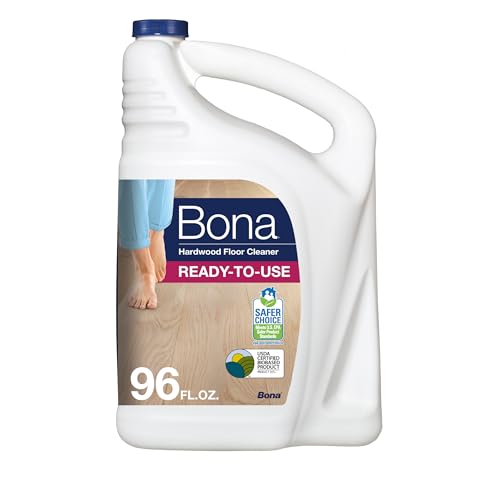
Bona, Bruce, Mannington, Shaw, Mohawk, and most other major hardwood manufacturers warn against steam mopping in their care guides. Use of a steamer can void the finish warranty, which on a quality prefinished hardwood is a 25 to 50-year coverage worth thousands. Check your specific manufacturer’s care document before steaming — if it prohibits steam, do not use one.
Site-finished hardwood (sanded and finished after installation) is more vulnerable than prefinished because the on-site polyurethane finish is generally thinner and less penetrable than factory-applied aluminum oxide finishes.
When a Steamer Is Acceptable
If your floor has a thick polyurethane or aluminum oxide finish in good condition with no visible scratches, gaps, or worn spots, a steamer used briefly with the right technique can clean without damage. Engineered hardwood with a thick wear layer (4mm or more) tolerates occasional steaming better than thin solid hardwood with a worn finish.
Even on suitable floors, treat steam as an occasional deep clean (every 4 to 6 weeks at most), not a routine weekly clean. Daily floor maintenance should be dry sweeping and microfiber dust mopping.
Safe Steaming Technique
If you are going to use a steamer on hardwood, follow these rules:
- Set the lowest steam setting available — never use the high or “tile” setting.
- Move continuously, no longer than 1 to 2 seconds over any spot.
- Use the thickest microfiber pad provided to absorb excess moisture.
- Pre-vacuum to remove grit that the steam pad would grind into the finish.
- Test in a closet or under a furniture piece for 1 to 2 weeks before treating the whole floor.
- Stop immediately at any sign of water marks, dulling, or finish change.
Top Steamer Picks for Hardwood
If you have decided a steamer is right for your floors, three models stand out for low-moisture output and gentle operation. The Bissell PowerFresh Slim ($90 to $130) has a low-flow setting that produces less steam than competitors, well suited to wood. The Shark Steam Pocket ($80 to $120) accepts double-sided microfiber pads that absorb moisture as you clean. The O-Cedar Microfiber Steam Mop ($60) is the budget option and surprisingly capable.
Avoid commercial-grade steamers like the Vapamore MR-100 on hardwood — they generate too much steam pressure for safe use. Reserve those for tile, grout, and bathroom deep cleans.
Better Alternatives for Routine Cleaning
For regular hardwood cleaning, a microfiber spray mop with a wood-safe cleaner outperforms a steamer in safety and is just as effective for surface dirt. The Bona Hardwood Floor Mop with Bona Free & Simple cleaner ($30 starter kit, $20 refills) is the gold standard. Spray a fine mist, wipe with the microfiber pad, done. No standing water, no heat, no warranty issues.
For sanitization concerns, the cleaner contains surfactants that lift bacteria and viruses without needing thermal kill. Hydrogen-peroxide-based cleaners like Method Squirt + Mop add disinfection without damaging the finish.
What to Do If You Have Damaged Floors
If steam mopping has already caused cupping, white haze, or finish wrinkling, stop using it immediately. Light hazing sometimes lifts with a Bona Hardwood Floor Polish application. Cupping that has not progressed past 1/16 inch may flatten over weeks if the room dries out. Severe cupping or finish delamination requires professional refinishing — sanding down and applying new finish costs $4 to $8 per square foot.
Document the damage and the steam mop’s manufacturer instructions. Some homeowners have successfully claimed against steamer manufacturers when the steamer was marketed as wood-safe but caused damage. Keep receipts.
The Bottom Line on Hardwood and Steam
For most homeowners, the small benefit of steam cleaning hardwood is not worth the risk of permanent damage and voided warranties. A microfiber spray mop with proper hardwood cleaner does the job at a fraction of the cost and zero risk. If you already own a steamer and want to use it on wood, follow safe technique strictly and treat it as occasional deep clean rather than routine maintenance. When in doubt, choose the gentler option — your floors will outlast you.
Frequently Asked Questions
Is a hardwood floor steamer safe?
Only with caution. Many manufacturers void warranties on steam-cleaned floors. Use the lowest steam setting, move quickly, and limit use to occasional deep cleaning.
What is the best way to clean hardwood floors?
A microfiber spray mop with a wood-safe cleaner like Bona is the safest, most effective option. Sweep or vacuum daily, mop weekly, never let water pool.
Can I use a steam mop on engineered hardwood?
Engineered with a 4mm-plus wear layer tolerates occasional steam better than solid wood, but most manufacturers still recommend against it. Check your warranty terms.
What damage does steam cause to wood floors?
Cupping, finish dulling or delamination, white haze, and permanent water marks. Damage is cumulative — small problems become major over months of repeated use.
How often should I clean hardwood floors?
Sweep or dust mop daily in high-traffic areas. Damp microfiber mop weekly. Deep clean monthly. Never use a wet mop with standing water.
Prefer to explore on your own?
See how new flooring looks in your actual room in seconds — free, no signup.
Try the free Floor Studio →