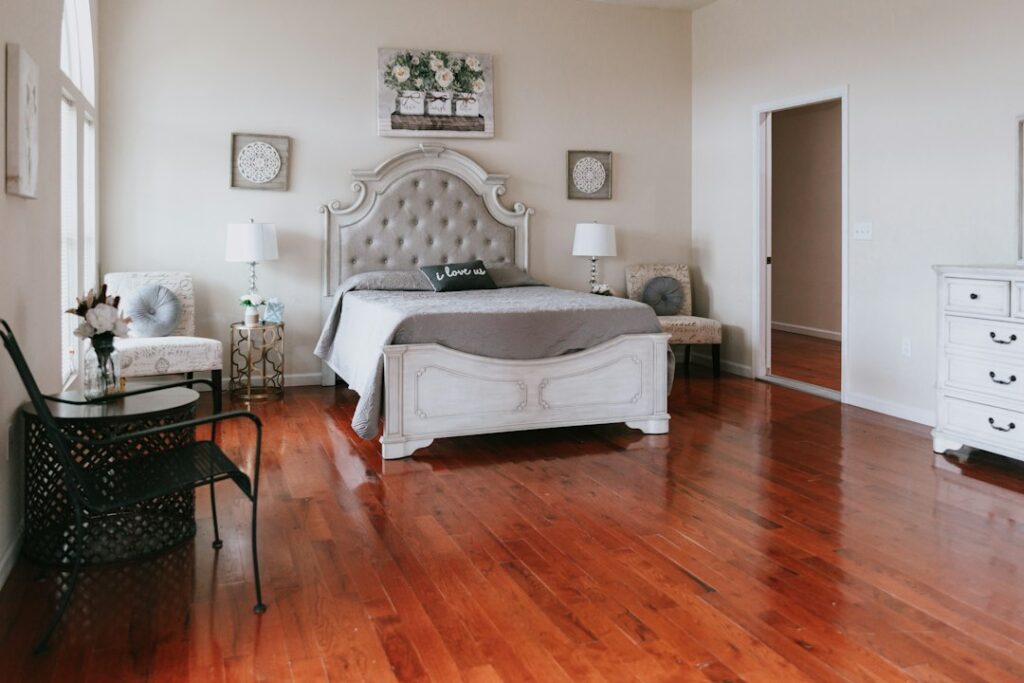
Plenty of homeowners grew up watching a bucket of amber cleaner go across the hardwood every Saturday, so it feels like the safe, traditional choice. The truth about oil soap for wood floors is more nuanced: it suits some finishes well and slowly dulls others. Most modern hardwood is coated with polyurethane, and on that surface an oil-based soap tends to leave a thin film that builds into a cloudy, sticky haze over months.
Here is the quick answer. If your floor has a penetrating oil finish, a hardwax oil, or an old paste wax, a properly diluted oil soap can be a reasonable occasional cleaner. If your floor is factory-finished prefinished hardwood or site-finished with polyurethane (oil-based or water-based), skip it for routine cleaning and use a pH-neutral cleaner made for sealed wood. Many flooring warranties actually exclude damage from oil soaps, waxes, and other residue-forming products.
The rest comes down to identifying your finish, using the right amount of water, and knowing how to undo buildup if it has already happened.
Is Oil Soap for Wood Floors Safe on Polyurethane?
Polyurethane forms a hard, sealed plastic layer over the wood. Nothing is meant to soak through it, so any oil or soap you leave behind simply sits on top. Each cleaning adds a little more residue, and over time it attracts dust, shows footprints, and makes the floor look dull even right after mopping. That residue also becomes a real problem when you eventually want a maintenance recoat: new finish will not bond to a contaminated surface, and the refinisher may have to sand to bare wood instead of doing a cheaper screen and recoat.
That is why the honest answer to “is it safe” is that it will not instantly damage a sealed floor, but it is the wrong tool. A traditional vegetable oil soap is gentle chemically. The issue is what it leaves behind, not what it removes. On sealed hardwood, a cleaner designed to evaporate cleanly does a better job with no film.
On engineered hardwood and laminate, the advice is even firmer. Laminate has no wood surface to nourish at all, and too much liquid at the seams can swell the core. Use the cleaner the manufacturer recommends and a damp, not wet, mop.
Floors Where Oil Soap Can Help
Oil soap made more sense in an era when most floors were finished with shellac, varnish, or paste wax, or left with a penetrating oil. Those finishes live partly inside the wood and benefit from gentle, slightly conditioning cleaners. Floors where it can still be a fit include:
- Penetrating oil finishes: tung oil, linseed oil, and similar finishes that soak in rather than forming a film.
- Hardwax oil finishes: common on European-style wide plank floors. Many makers of these finishes sell their own soap-based cleaners, which shows the concept fits. Follow the finish maker’s product guidance first.
- Older waxed floors: pre-1970s floors with paste wax over shellac or varnish, cleaned sparingly.
- Unfinished wood furniture and trim: not floors, but the same product is often used on cabinets and paneling with care.
Even on these surfaces, oil soap is an occasional deep-clean product, not a daily one. Regular care should still be dry dust mopping or vacuuming with a hard-floor setting.
How to Tell Which Finish You Have
You can identify most finishes in a few minutes with tests that will not harm the floor:
- Water drop test: place a few drops of water in a low-traffic corner. If they bead up and sit for several minutes, the surface is sealed (polyurethane or similar). If the water darkens the wood and soaks in quickly, you likely have an oil finish or worn finish.
- Scratch test: in a closet or under furniture, gently drag a coin edge across the surface. Wax tends to smudge or leave a waxy line; a hard film finish resists.
- Look at the sheen: a uniform plastic-looking sheen that sits on top usually means polyurethane. A low, natural sheen where you can feel the grain often means oil.
- Check records: if the floor is newer than the 1980s, it is very likely polyurethane or a factory aluminum oxide finish.
If you cannot tell, treat the floor as sealed and avoid residue-forming cleaners. That cautious assumption protects the warranty and future refinishing options.
Dilution Ratios and Step-by-Step Cleaning
Where oil soap is appropriate, the most common mistake is using too much product. Concentrated soap is what causes residue and stickiness. For oiled, waxed, or hardwax oil floors, a typical ratio is roughly 1/4 cup of concentrate per gallon of warm water, and many people get good results with even less. Always check the label of the product you are using and the guidance from your finish maker.
Tools and Materials
- Soft broom, dust mop, or vacuum with the beater bar turned off
- Two buckets (one for cleaning solution, one for rinse water)
- Microfiber flat mop or a microfiber spray mop with washable pads
- Soft cotton towels for drying
- Diluted oil soap (for oil or wax finishes only)
Steps
- Remove all grit first. Sand and dirt act like sandpaper under a mop.
- Mix the diluted solution in one bucket and plain warm water in the other.
- Dip the mop pad, then wring it until it is only damp. No standing water should ever remain on the floor.
- Work in small sections of about 4 by 4 feet, mopping with the grain.
- Go over each section with a pad rinsed in clean water, wrung out well, to lift leftover soap.
- Dry with a soft towel or let it air dry with good ventilation. The floor should feel smooth, not tacky.
For sealed floors, the same technique works with a pH-neutral hardwood cleaner and a microfiber spray mop. Mist lightly, wipe, and you are done. No rinse is usually needed because these products are designed not to leave film.
Fixing Dull Residue and Stripping Haze
If your sealed hardwood looks cloudy, streaky, or sticky after years of oil soap, you can usually remove the buildup without refinishing. Try the gentlest method first and test in a hidden spot.
- Plain water rinse: mop with warm water and a well-wrung microfiber pad, changing the water often. Light buildup sometimes lifts with two or three passes.
- Mild vinegar solution: about 1/2 cup of white vinegar per gallon of warm water can cut soap film on polyurethane. Use it only for this one-time cleanup, not for regular care, because acids can dull some finishes over time. Never use vinegar on wax or oil finishes.
- Residue remover: hardwood flooring retailers sell residue removers formulated for sealed wood. Follow the label and ventilate.
- Professional cleaning and recoat: if the haze is deep or the floor will not take a recoat, a flooring pro can deep clean, buff, and apply a fresh coat of finish.
Keep ventilation running when using any cleaner, wear gloves, and never mix cleaning products. Mixing vinegar or other acids with bleach, or bleach with ammonia, releases toxic gases.
Best Cleaners for Each Floor Type
People searching for the best soap for hardwood floors usually need a cleaner matched to the finish rather than a single magic product:
- Polyurethane and prefinished hardwood: pH-neutral, residue-free hardwood cleaner, applied with a microfiber pad.
- Hardwax oil: the soap or cleaner recommended by the finish manufacturer, plus periodic maintenance oil.
- Penetrating oil: a properly diluted oil soap occasionally, with re-oiling as the finish wears.
- Waxed floors: mostly dry care, damp cleaning sparingly, and buffing or rewaxing every so often.
- Vinyl plank and laminate: manufacturer-approved cleaner only; skip oils, waxes, and polishes.
Steam mops are hard on every wood finish because heat and moisture push into seams. Wax-based polishes and furniture sprays on a polyurethane floor cause the same buildup problem as oil soap, so keep those off the floor too.
Costs and When to Call a Flooring Pro
Cleaning supplies are inexpensive. A bottle of concentrate or a pH-neutral cleaner typically costs a few dollars to the low teens, and a microfiber mop kit with spare pads usually lands in a modest price range. A professional deep clean and buff for hardwood often runs a lower per-square-foot rate, while a screen and recoat costs more, and full sanding and refinishing costs several times that. Removing residue early is far cheaper than paying for a full refinish later.
Call a flooring professional when water no longer beads on a sealed floor, when you see gray or black stains that indicate moisture has reached the wood, when boards are cupping, or when haze does not come off after a careful residue cleanup. In older homes, if refinishing is on the table and the house was built before 1978, ask about lead-safe practices for any painted trim or thresholds being sanded nearby.
Used on the right finish and diluted well, oil soap for wood floors has its place. On sealed hardwood, a residue-free cleaner keeps the shine longer and protects your options for future recoating.
Frequently Asked Questions
Does oil soap damage polyurethane floors?
It does not usually cause instant damage, but it leaves a film that builds up into a dull, sticky haze and can prevent a future recoat from bonding. A pH-neutral hardwood cleaner is a better routine choice for sealed floors.
How much oil soap should I use per gallon of water?
For oiled or waxed floors, start around 1/4 cup of concentrate per gallon of warm water or less, and follow the label. More soap does not clean better; it only adds residue.
How do I remove oil soap buildup from hardwood?
Mop with warm water and a well-wrung microfiber pad, then try a mild vinegar solution on polyurethane floors only. If haze remains, use a residue remover for sealed wood or call a pro for a deep clean and recoat.
Can I use oil soap on engineered hardwood?
Most engineered hardwood has a factory sealed finish, so treat it like polyurethane and use a residue-free cleaner. Check the manufacturer’s care guide, since many warranties exclude oil soaps.
Is oil soap good for old hardwood floors?
It can be on older floors with wax or penetrating oil finishes, used sparingly and well diluted. Confirm the finish first with a water drop test, because many old floors have been refinished with polyurethane.
Prefer to explore on your own?
See how new flooring looks in your actual room in seconds — free, no signup.
Try the free Floor Studio →