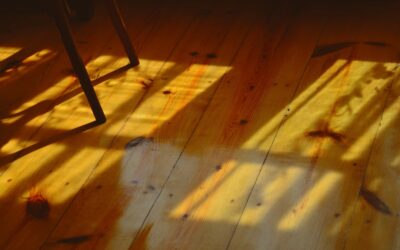
A hardwood floor is one of the few home upgrades that can outlive the homeowner, lasting 50 to 100 years when chosen and cared for well. This guide to hardwood floors and more covers everything you need to buy with confidence: the species and grades, the difference between solid and engineered, finishes, real installed costs, and the care routine that keeps wood looking new for decades. Whether you’re refinishing original oak or flooring a new build, understanding the fundamentals saves money and prevents the mistakes that turn a premium floor into a costly redo.
Solid vs Engineered Hardwood
The first decision is construction, and it drives where and how your floor can be installed:
Solid Hardwood
Milled from a single piece of wood, usually 3/4 inch thick, solid hardwood can be sanded and refinished many times, often lasting generations. It’s the classic choice for above-grade living spaces but reacts to humidity, so it’s not ideal for basements or over concrete slabs without precautions.
Engineered Hardwood
A real-wood veneer bonded over a cross-layered plywood core, engineered flooring resists moisture and temperature swings far better. It can be glued, floated, or nailed, works over slabs and radiant heat, and refinishes once or twice depending on veneer thickness. For humid climates and below-grade rooms, it’s the safer pick.
Choosing a Wood Species
Species sets the look, hardness, and price. The Janka hardness scale measures dent resistance:
- Red oak (1,290 Janka): Affordable, widely available, takes stain beautifully, the American standard.
- White oak (1,360): Slightly harder, more water-resistant, and on-trend with neutral tones.
- Hickory (1,820): Very hard and rustic, great for active homes and pets.
- Maple (1,450): Clean, contemporary grain, though harder to stain evenly.
- Walnut (1,010): Soft but luxurious, prized for rich dark color.
Match hardness to your household. A busy family with dogs is better served by hickory or oak than by softer walnut.
Finishes and Surface Texture
The finish protects the wood and sets the sheen. Prefinished floors arrive with a factory-applied, aluminum-oxide-fortified coating that’s tougher and ready to walk on immediately. Site-finished floors are sanded and coated in your home, allowing custom stain and a seamless surface but requiring days of drying and dust control.
Sheen ranges from matte to high gloss; matte and satin hide scratches and dust best, which is why they dominate modern installs. Textures like wire-brushing and hand-scraping add character and camouflage everyday wear.
What Hardwood Floors Cost
Budgeting is easier when you separate material from labor:
- Solid hardwood material: $4 to $10 per square foot
- Engineered hardwood material: $5 to $12 per square foot
- Exotic and wide-plank species: $10 to $20+ per square foot
- Professional installation: $3 to $8 per square foot
- Refinishing existing wood: $3 to $6 per square foot
A 1,000-square-foot installation in mid-grade oak typically totals $8,000 to $16,000. Refinishing sound original wood is almost always the cheaper, greener route when the boards are still thick enough to sand.
Installation Basics
Good wood floors start below the surface. The subfloor must be clean, dry, and flat within 3/16 inch over 10 feet, and the wood must acclimate in the room for several days so it reaches the home’s equilibrium moisture content. Nail-down works over plywood subfloors, glue-down suits slabs, and floating engineered floors click together over an underlayment. Leave a 1/2-inch expansion gap at the walls so the floor can move with the seasons.
Caring for Your Floors
Wood rewards simple, consistent care. Sweep or dust-mop regularly to remove the grit that scratches finishes, and clean with a barely damp mop and a pH-neutral hardwood cleaner, never a wet mop or steam. Use felt pads under furniture, place walk-off mats at entries, and keep indoor humidity between 35% and 55% to prevent gapping and cupping. Wipe spills immediately. With this routine, a quality finish lasts 7 to 10 years before a screen-and-recoat refresh.
Common Mistakes to Avoid
Most hardwood failures are preventable. Skipping acclimation causes gaps and cupping. Installing solid wood below grade invites moisture damage. Using a steam mop voids many warranties and degrades the finish. And buying too little material means dye-lot mismatches on repairs, so always order 7% to 10% extra.
Grades and What They Mean
Beyond species, hardwood is sorted into grades that describe appearance, not strength. Clear and select grades show minimal knots and uniform color for a clean, formal look and command the highest prices. Common grades (sometimes called No. 1 and No. 2 common, or character grade) include more knots, color variation, and mineral streaks, giving a rustic, lived-in feel at a lower cost. Neither is structurally weaker; the choice is purely aesthetic. Character grade also hides everyday dings better, which makes it a practical pick for busy households that don’t want every scuff to show.
Does Hardwood Add Resale Value?
Among all flooring choices, hardwood consistently ranks highest for return on investment. Real estate surveys repeatedly show that homes with hardwood floors sell faster and command higher prices than comparable homes with carpet, and many buyers specifically request it. While you won’t always recoup the full installation cost dollar for dollar, hardwood’s appeal as a selling feature is unmatched, and refinishing tired floors before listing is one of the most cost-effective pre-sale upgrades you can make. If long-term home value factors into your decision, that durability and desirability tip the scales toward wood over shorter-lived surfaces.
The Bottom Line
When it comes to hardwood floors and more, success is about matching construction and species to your climate and lifestyle, then protecting the finish with simple care. Choose engineered wood for humidity and slabs, solid wood for refinishable longevity above grade, and a harder species for busy homes. Budget for proper subfloor prep and acclimation, and a hardwood floor will reward you with decades of warmth and value that few other surfaces can match.
Prefer to explore on your own?
See how new flooring looks in your actual room in seconds — free, no signup.
Try the free Floor Studio →