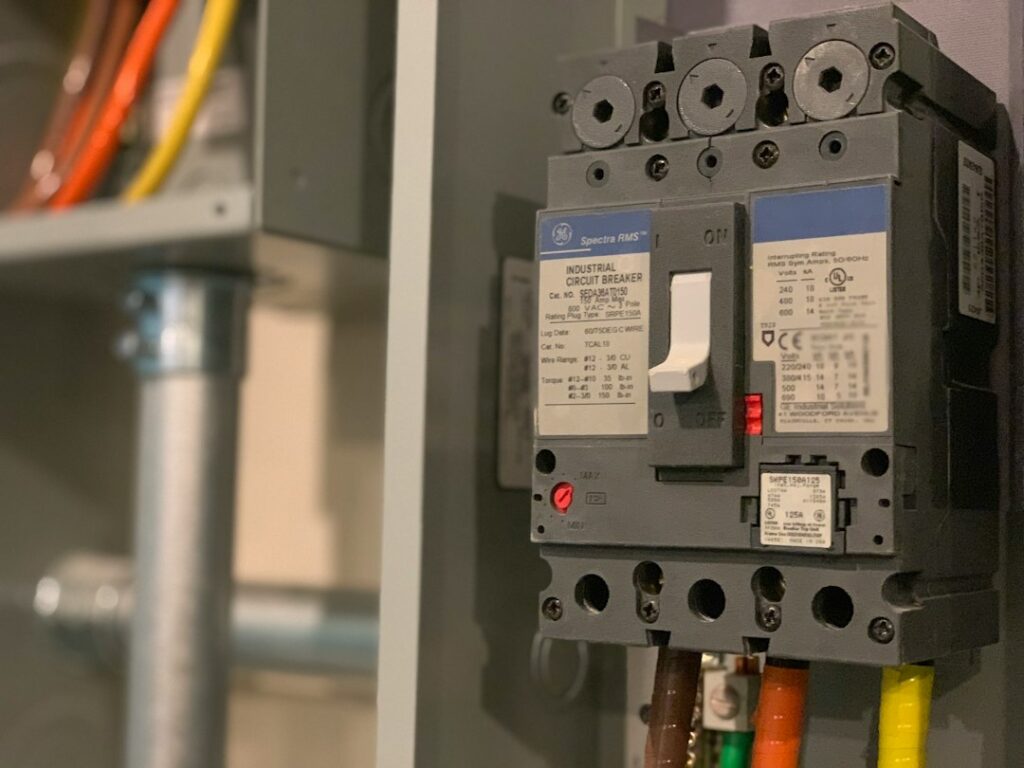
Heat pumps are some of the hardest-working equipment in a home, moving heat in or out every season. So when a heat pump keeps tripping breaker after breaker, the system is telling you that a motor, a start component, or the backup heat is drawing more current than its circuit allows. Left unchecked, that strain can burn out an expensive compressor or overheat wiring.
The quick answer for homeowners: check the air filter, make sure the outdoor unit has clear airflow and is not encased in ice, set the thermostat to off, and reset the tripped breaker one time. Wait a few minutes, then turn the system back on. If the breaker trips again right away, or trips the next time the compressor or auxiliary heat starts, leave it off and call a licensed HVAC technician. Capacitors, contactors, compressors, and heat strips involve high voltage and stored electrical charge, and none of them are owner repairs.
Most heat pump systems have at least two breakers: one for the outdoor unit (the condenser) and one for the indoor air handler, which often powers the electric heat strips too. Knowing which one tripped is the first clue.
Why a Heat Pump Keeps Tripping Breaker Protection
Breakers trip on overcurrent, meaning more amps flowing than the wire and breaker are rated to carry. In a heat pump, these are the usual reasons.
Hard-starting compressor
The compressor draws a large surge of current when it starts. As compressors age, internal wear can make that start harder and longer. Each hard start pulls more current, and eventually the breaker trips. You might hear the outdoor unit hum, click, or groan before going quiet.
Failed or weak capacitor
The run capacitor gives the compressor and outdoor fan motor the boost they need to start and run efficiently. When it weakens, motors struggle and overheat, drawing extra current. Capacitor failure is one of the most common heat pump repairs, especially after hot summers. Capacitors store a dangerous charge even with power off, which is why they are strictly technician work.
Iced outdoor coil
In winter, heat pumps periodically defrost their outdoor coil. If the defrost system fails, or the unit is buried in snow or blocked by ice dripping from a gutter, the coil becomes a solid block of ice. The system then works much harder, and the compressor or fan can overload and trip the breaker.
Heat-strip faults
Electric auxiliary heat strips draw a lot of current, often more than the heat pump itself. A shorted element, a failing sequencer, or a damaged connection can trip the air handler breaker, frequently on the coldest mornings when the strips run the most. A heat tripping breaker in the indoor unit on cold nights points strongly here.
Dirty filter or blocked airflow
A clogged filter or closed supply registers starve the indoor coil and blower of air. The blower motor works harder, heat strips can overheat, and in cooling mode the indoor coil may freeze. Airflow problems are the one cause owners can fully fix themselves.
Wiring, contactor, or breaker wear
Pitted contactor points, loose terminals, rodent damage to wiring, and worn breakers all cause trips. These require a technician or electrician to diagnose.
What You Need for Homeowner Checks
- A replacement air filter in the correct size
- A flashlight
- A soft broom or garden hose (for gently clearing snow or debris around, not inside, the outdoor unit)
- A notepad to log when trips happen, the outdoor temperature, and what the system was doing
Do not open the outdoor unit’s service panel, the air handler’s electrical compartment, the outdoor disconnect box, or the breaker panel. Skip any electrical testing. Those areas hold high voltage and charged capacitors.
Safe Steps When the Breaker Trips
- Check for danger signs. A burning smell, smoke, a buzzing or crackling sound from the units or panel, scorch marks, or a breaker that feels hot means stop. Leave power off and call a licensed electrician or HVAC tech. These are fire-hazard signs.
- Set the thermostat to off. This keeps the system from trying to restart the instant power returns.
- Replace a dirty filter. Hold it up to a light. If you cannot see light through it, swap it.
- Open supply registers and clear returns. Move furniture or rugs that block vents.
- Clear the outdoor unit. Remove leaves, snow drifts, and debris around the unit, leaving about two feet of clearance. Do not chip at ice on the coil with tools; you can puncture refrigerant lines.
- Reset once. Turn the tripped breaker fully off, then back on. Wait about five minutes so the compressor’s internal pressures can equalize.
- Turn the thermostat back on. Watch and listen as the system starts. Note whether the trip, if it happens, comes as the compressor starts, after it runs a while, or when auxiliary heat comes on.
- If it trips again, leave it off. Call a licensed HVAC technician and share your notes. Use emergency heat only if the tech advises it and only if that breaker is holding.
Reading the Pattern
An outdoor unit breaker that trips the moment the compressor tries to start suggests a hard-starting compressor, a bad capacitor, or a shorted motor. One that trips after the unit has run for a while may point to a fan motor overheating or an iced coil. An indoor air handler breaker that trips on cold mornings usually involves the heat strips or their controls. A furnace breaker tripped on a dual-fuel system, where a gas furnace backs up the heat pump, points to the blower motor or furnace controls instead.
Weather matters, too, when a heat pump keeps tripping breaker protection. Trips during a heat wave often trace to capacitors and compressors under stress. Trips during a cold snap point to defrost problems or heat strips. Logging the outdoor temperature alongside each trip helps the technician zero in quickly.
Staying Comfortable While You Wait
If both breakers are off and it is cold, close blinds and curtains at night, close doors to unused rooms, and dress in layers. A portable electric space heater can help in one room, but plug it directly into a wall outlet (never an extension cord or power strip), keep it three feet from anything that can burn, use a model with tip-over and overheat shut-off, and never leave it running unattended or while sleeping unless the label allows it. Avoid running several heaters on one circuit, which can trip another breaker.
In summer, run ceiling fans, close window coverings on the sunny side of the house, and keep doors to the coolest rooms shut.
Questions to Ask the Technician
A good diagnostic visit should end with a clear explanation, not just a replaced part. Ask which component caused the trip and how the technician confirmed it. If a capacitor was replaced, ask whether the compressor showed signs of hard starting, since a weak capacitor can shorten compressor life if it went unnoticed for a while. If the heat strips were at fault, ask whether airflow was adequate and whether the strip breaker and wire size match the strip kit’s rating.
For older systems, ask for an honest opinion on remaining life. A heat pump around 12 to 15 years old that needs a compressor may be a better candidate for replacement than repair, especially if it uses an older refrigerant that has become expensive to service. Ask whether a maintenance plan includes priority scheduling during cold snaps, when breaker trips and no-heat calls spike and wait times stretch.
Typical Repair Costs
- HVAC diagnostic visit: a standard service fee
- Capacitor replacement: among the lower-cost repairs
- Contactor replacement: low to moderate
- Hard-start kit: low to moderate, sometimes extends an aging compressor’s life
- Heat strip element or sequencer: moderate
- Outdoor fan motor: moderate
- Compressor replacement: high, often compared against a full system replacement on older units
If your heat pump keeps tripping breaker after breaker every season, ask about a maintenance plan. Annual maintenance visits often catch weak capacitors and pitted contactors before they cause breaker trips, which is usually far cheaper than an emergency call.
When to Call a Licensed Professional
Call a licensed HVAC technician if a breaker trips again after one reset, if the outdoor unit hums without starting, if the coil stays iced after a defrost cycle, or if the heat strips trip the indoor breaker. Call a licensed electrician if the breaker or panel feels hot, buzzes, or smells burned, or if you suspect the circuit is undersized. Leave power off in the meantime because these are fire hazards. All capacitor, contactor, compressor, refrigerant, and heat strip work belongs to licensed pros, and equipment replacement typically requires a permit.
Frequently Asked Questions
Why does my heat pump trip the breaker when it starts?
Start-up trips usually point to a weak capacitor or a hard-starting compressor drawing too much current. A licensed HVAC technician can confirm and replace the faulty part.
Can a dirty filter make a heat pump trip the breaker?
Yes. Restricted airflow makes the blower and heat strips work harder and can overheat them. Replacing a clogged filter is the first thing to check.
Why does my heat pump trip the breaker only in cold weather?
Cold-weather trips often involve auxiliary heat strips or a failed defrost cycle that leaves the outdoor coil iced over. Both need a technician.
How long should I wait before resetting a heat pump breaker?
Set the thermostat to off, reset the breaker once, and wait about five minutes before turning the system on so compressor pressures can settle.
Is it safe to keep resetting the breaker?
No. Reset once. Repeated resets can damage the compressor and overheat wiring. If it trips again, leave it off and call for service.