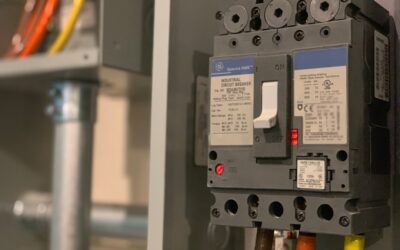
A breaker that snaps off every time your electric tank heats up is not being fussy. It is doing exactly what it was built to do: cutting power when something on that circuit draws more current than it should or leaks current where it should not. When a water heater keeps tripping breaker after breaker, the cause is almost always inside the heater itself, most often a shorted heating element, a failed thermostat, or water that has found its way into the wiring area.
The short answer for homeowners: reset the double-pole breaker one time, watch what happens, and look for outside clues such as leaks, scorch marks, or a burning smell. If the breaker trips again right away, or trips again within minutes of the heater starting, leave it off and call a licensed electrician or plumber. Element and thermostat testing requires opening the heater’s access panels near live 240-volt wiring, and that work belongs to a pro.
Most electric water heaters run on a dedicated 240-volt circuit with a two-handle breaker, typically 25 to 30 amps for a common residential tank. That breaker should hold for years without a single trip. Repeated tripping is a symptom worth respecting, both because a faulty heater can overheat wiring and because a heater that cannot run leaves you without hot water.
Why a Water Heater Keeps Tripping Breaker Circuits
Understanding the likely causes helps you describe the problem clearly to a technician and avoid paying for guesswork. Here are the usual suspects, roughly in order of how often they show up.
Shorted or grounded heating element
Electric tanks have one or two immersed elements that heat the water directly. Over time, minerals build up on the sheath, the metal can crack, and water can reach the internal coil. When that happens the element shorts to the tank (a ground fault) or draws excessive current, and the breaker trips. This is the single most common reason a water heater tripping breaker complaint turns into a service call. A heater that trips within a few minutes of a reset, as soon as an element energizes, points strongly in this direction.
Failed thermostat
Each element has a thermostat that switches it on and off. If a thermostat sticks closed, the element can run continuously. Many heaters also have a high-limit cutoff (the red reset button behind the upper panel) that should stop runaway heating. A thermostat fault does not always trip the breaker, but when it fails internally it can create a short that does.
Water in the junction box or wiring compartment
A leaking relief valve, a dripping supply fitting above the tank, or condensation from nearby plumbing can drip into the junction box on top of the heater or the element compartments. Water and 240 volts do not mix. Moisture can cause a short or a ground fault that trips the breaker intermittently, often worse after heavy hot water use.
Loose or overheated wiring connections
Connections at the junction box, thermostats, or breaker can loosen over years of heating and cooling cycles. A loose connection creates resistance and heat, and the resulting damage can eventually short. Discolored insulation or a melted look on the breaker are signs of this, and both require an electrician.
Worn or undersized breaker
Breakers do wear out. One that has tripped many times can become weak and trip below its rating. Occasionally a heater was replaced with a higher-wattage model that the original circuit was never sized for. Breaker replacement and circuit sizing are electrician jobs, and the wire gauge has to match the breaker rating.
What You Need Before You Start
The homeowner checks here are visual and low-risk. You do not need to open anything on the heater or the electrical panel.
- A flashlight for looking around the tank, the floor, and the plumbing above it
- Dry towels or a shallow pan to see whether water is collecting
- Your phone or a notepad to record when the breaker trips and what was happening
- The heater’s data label information (model, wattage, voltage), read from the outside of the tank
Skip any electrical testing. Checking elements and thermostats requires removing access panels next to live terminals, and that is exactly where homeowners get hurt. Your role is to gather good clues and keep the situation safe.
Safe Homeowner Steps, in Order
- Check for danger signs first. Before touching the breaker, stand near the heater and look and smell. A burning or hot plastic smell, scorch marks around the top of the tank, smoke, or a buzzing sound means stop. Leave the breaker off and call a licensed electrician. These are fire-hazard signs.
- Look for water. Check the floor around the base, the drip pan if there is one, the relief valve discharge pipe, and the cold and hot water connections on top. Any active leak, especially near the top where the wiring enters, is a reason to leave power off and call a plumber.
- Reset the breaker once. At the panel, push the tripped double-pole handle fully to off, then back to on. Do not hold it on and do not reset it repeatedly.
- Note the timing. Does it trip instantly, after a few minutes, or only after a long shower or a load of laundry? Instant trips suggest a direct short. A trip after the heater has been running a while suggests an element or thermostat fault, or a weak breaker.
- Check whether anything else is affected. A water heater breaker should serve only the heater. If other lights or outlets lost power at the same moment, the issue may be bigger than the heater, and an electrician should look at the panel.
- If it trips again, leave it off. A second trip is your answer. Turn the breaker to off, label it, and make the service call.
Never tape a breaker on, swap in a bigger breaker, or bypass it. The breaker protects the wiring in your walls, and defeating it is one of the fastest ways to start a house fire.
Reading the Clues: Timing and Patterns
Your notes are surprisingly useful to a pro. When a water heater keeps tripping breaker after breaker, the timing of each trip often points straight to the failed part. A hot water breaker tripping the moment it is reset usually means a dead short, often a cracked element or wiring damaged by water. A water heater that trips breaker after a few minutes typically has an element that shorts once it heats and expands. Trips that happen only during peak use, like when the dryer, oven, and heater all run at once, can point to a panel or service issue rather than the heater alone.
Pay attention to the hot water itself, too. Rusty or sandy water, popping or rumbling sounds while heating, and a tank more than 10 to 12 years old all suggest heavy sediment, which shortens element life. Lukewarm water before the tripping started often means the lower element had already failed partially.
If you hear people describe their hot water heater blowing breaker after breaker, the story is almost always the same: someone reset it over and over until the breaker gave out. Treat each trip as information, not an obstacle.
Scald and Safety Notes
When the heater is eventually repaired, have the technician check the thermostat setting. Around 120°F is a common recommendation that balances comfort, energy use, and scald protection, especially in homes with children or older adults. A thermostat stuck on can push water well past that, so be cautious at the tap if you notice water hotter than usual before the tripping began.
If a plumber drains the tank to replace an element, they will shut off the cold supply, open a hot tap to relieve pressure, and let the water cool. Do not attempt to drain a tank of scalding water yourself while the heater is in a fault state. Plumbing changes, like a new relief valve or supply connectors, should follow local plumbing code, and many areas require a permit for heater replacement.
Typical Repair Costs
Costs vary by region and by how much damage the fault caused, but general ranges help you plan:
- Element replacement: usually a low to moderate service call, often in the range of a couple hundred dollars including parts and labor
- Thermostat replacement: similar to an element, sometimes done together
- Breaker replacement by an electrician: modest, though panel brand and availability can change the price
- Wiring repair after water damage: depends on how far the damage extends
- Tank replacement: the largest expense, often recommended when a tank over 10 years old has a leak or repeated element failures
A leaking tank cannot be repaired; once the inner tank rusts through, replacement is the only option. Element and thermostat swaps, on the other hand, can give a sound tank many more years.
Preventing Future Trips
If your water heater keeps tripping breaker protection only after years of trouble-free service, sediment is often part of the story. Annual flushing removes sediment that overheats elements, and a plumber can do it during a routine visit if you are not comfortable operating the drain valve. Keep the area around the heater dry and free of stored items so leaks are easy to spot. If your heater sits in a cold garage or basement, a water heater blanket rated for electric tanks can cut standby heat loss; follow the blanket instructions and keep it clear of the access panels, thermostat covers, and the top of the tank.
Ask the technician to check terminal tightness when servicing the heater. Loose connections are a leading cause of overheated wiring, and catching them early prevents both tripping and damage.
When to Call a Licensed Professional
Call a licensed electrician if the breaker trips again immediately after one reset, if you smell burning or see scorch marks, if the breaker or panel feels hot or buzzes, or if other circuits are affected. Leave the breaker off in the meantime because these are fire-hazard signs. Call a licensed plumber if there is any leak from the tank, fittings, or relief valve, or if the tank is old and noisy. Many heater faults involve both trades, and some water heater repair companies handle the full job. Replacement typically requires a permit, and the installer should confirm wire size, breaker rating, and relief valve piping meet local code.
Frequently Asked Questions
Is it safe to keep resetting a water heater breaker?
No. Reset it once. If it trips again, leave it off and call a licensed electrician or plumber. Repeated resets can overheat wiring and damage the breaker.
Why does my water heater trip the breaker after a few minutes?
A trip that comes a few minutes after power returns usually points to a heating element that shorts once it energizes and heats, or a failing thermostat. A technician can confirm which part failed.
Can a bad element cause a breaker to trip?
Yes. A cracked or burned-out element that shorts to the tank is the most common reason an electric water heater trips its breaker.
Should I replace the breaker with a bigger one?
Never. The breaker is sized to protect the wiring. A larger breaker on the same wire can let it overheat and start a fire. Sizing changes belong to a licensed electrician.
Can I still use hot water while the breaker is off?
Whatever hot water is already in the tank will stay warm for a while, but it will not reheat. Leave the breaker off until the heater is repaired.