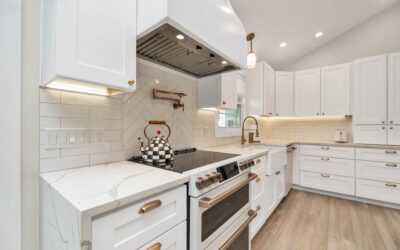
Peel-and-stick backsplash tiles are a renter’s and budget remodeler’s dream, but there is a catch that catches many people off guard: heat. A heat resistant peel and stick tile can handle the warmth radiating behind a typical kitchen, yet no adhesive-backed tile is truly fireproof, and placing the wrong product directly behind a gas burner is asking for peeling, warping, or worse. Understanding the real temperature limits separates a backsplash that lasts years from one that curls off the wall in a month.
Part of our Tile & Grout guide — explore the full guide →
- How Hot Does a Backsplash Actually Get?
- Which Materials Handle Heat Best
- Reading the Temperature Rating Before You Buy
- The Smart Way to Protect the Stove Zone
- Installation Tips for Heat-Prone Walls
- Best Places to Use Heat-Rated Peel-and-Stick Tile
- How to Test Heat Tolerance Before Committing
- Maintenance and When to Replace
How Hot Does a Backsplash Actually Get?
The wall behind most stoves stays cooler than people assume. During normal cooking, the backsplash area a few inches from the burners typically reaches 100 to 150 degrees Fahrenheit. Most quality peel-and-stick tiles tolerate sustained temperatures up to about 140 to 150 degrees, which covers the majority of kitchen situations comfortably.
The danger zone is the area immediately behind and above a gas cooktop, where flames can push localized surface temperatures well past 200 degrees. Splattering grease and direct flame contact create conditions no adhesive vinyl was designed to survive. That narrow zone deserves special treatment.
Which Materials Handle Heat Best
Not all peel-and-stick tiles are built the same. The material determines how much heat it shrugs off.
- Aluminum and metal-faced tiles: The most heat-tolerant option, with real metal surfaces that resist warping and wipe clean of grease. Brands like Aspect metal tiles handle higher temperatures than vinyl.
- Gel or epoxy-coated tiles: These 3D-look tiles rated around 140 degrees work well a safe distance from burners but can soften under direct heat.
- Vinyl and PVC tiles: The cheapest and most common, fine for general backsplash use but the least heat-resistant. Keep them away from direct flame zones.
- Stone composite peel-and-stick: Thin real-stone tiles offer good heat resistance and a premium look at a higher price.
Reading the Temperature Rating Before You Buy
Reputable manufacturers print a maximum temperature rating on the packaging or spec sheet, usually expressed in Fahrenheit. Look for products rated to at least 140 degrees for general kitchen use, and 200-plus degrees if any portion sits near a heat source. If a product lists no rating at all, assume it is meant for decorative low-heat areas like a bathroom or laundry room, not a cooking wall.
The Smart Way to Protect the Stove Zone
Even with heat-rated tiles, the strip directly behind a range needs backup. The cleanest solution is a stainless steel or tempered glass backsplash panel mounted in the high-heat zone, with peel-and-stick tile covering the rest of the wall. This gives you the easy installation and look of adhesive tile everywhere except the one spot it cannot safely live.
For gas ranges specifically, leave a clearance gap or use a heat-resistant panel, because the combination of open flame and flammable adhesive backing is a genuine fire concern. Electric and induction cooktops are more forgiving since they lack open flames.
Installation Tips for Heat-Prone Walls
Adhesion is everything when heat is in play. Clean the wall thoroughly with a degreaser, since cooking film is the top cause of peel-and-stick failure. The surface must be smooth, dry, and free of gloss that resists sticking. Apply tiles when the room is at normal temperature, around 65 to 75 degrees, because installing in extreme heat or cold weakens the bond.
- Wipe the wall with a 1:10 degreaser solution and let it dry completely.
- Start from a level line, not the countertop, which is rarely perfectly straight.
- Press each tile firmly with a roller or cloth for 30 seconds to activate the adhesive.
- Avoid running tiles into the immediate flame zone of a gas burner.
Best Places to Use Heat-Rated Peel-and-Stick Tile
Beyond the kitchen backsplash, these tiles solve problems in several spots around the home. Knowing where they shine helps you get the most out of a roll.
- Behind electric and induction cooktops: The safest cooking surface for adhesive tile, since there is no open flame.
- Bathroom backsplashes: Behind a vanity or around a tub, where heat is a non-issue and moisture resistance matters more.
- Laundry rooms: A decorative accent wall that withstands the warmth of a dryer nearby.
- Around fireplaces (with caution): Only on the cooler outer surround, never directly in the firebox zone.
- RVs and rentals: Easy, removable upgrades that leave no permanent damage.
How to Test Heat Tolerance Before Committing
If you are unsure whether a product will survive your particular setup, run a small test before tiling the whole wall. Stick a single tile in the hottest spot of your intended area and live with it for a week or two of normal cooking. Watch the corners and edges, which lift first, and feel the surface after a long cooking session to gauge how hot it actually gets.
You can also hold a tile sample near your heat source briefly to see how it responds, though the real-world test over several days is far more reliable. This small experiment costs one tile and prevents the disappointment of installing a full backsplash that fails within a month. If the test tile shows any softening, warping, or edge lift, switch to a more heat-resistant material like metal or add a protective panel in that zone.
Maintenance and When to Replace
Keep heat-rated tiles clean by wiping spills and grease promptly, since baked-on residue both looks bad and can interfere with adhesion over time. Use a soft cloth and mild cleaner rather than abrasive scrubbers that scratch vinyl and gel surfaces. Inspect corners and edges near the stove every few months for lifting, and re-press or replace any tile that starts to curl.
Chosen and installed correctly, a heat resistant peel and stick tile gives you a stylish, wipeable backsplash for a fraction of traditional tile cost, with no thinset, grout, or wet saw required. Just respect the temperature limits, protect the flame zone, and your backsplash will hold up beautifully through years of cooking.
Prefer to explore on your own?
See how new flooring looks in your actual room in seconds — free, no signup.
Try the free Floor Studio →