
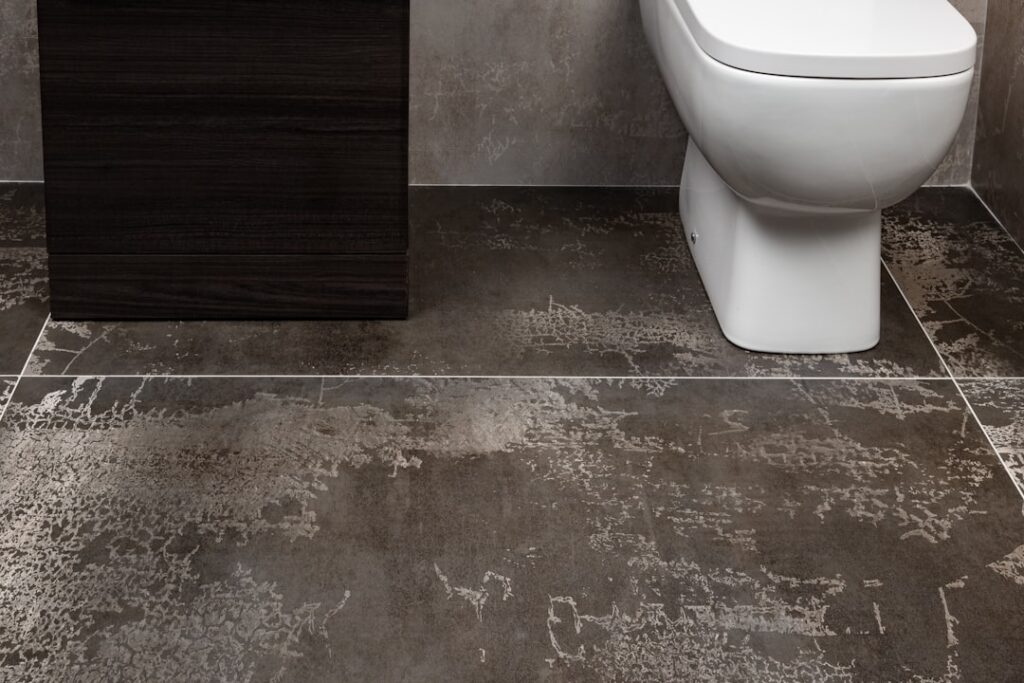
Among all the domestic hardwoods used in cabinetry, few offer the combination of raw strength and dramatic grain that hickory does. A hickory bathroom vanity stands out immediately, with its bold streaks of blond sapwood and rich brown heartwood creating a natural, rustic character that painted cabinets simply cannot fake. But hickory is more than a pretty face; it is one of the hardest and most durable woods you can put in a busy, moisture-prone bathroom. Here is everything you need to weigh before choosing one.
Part of our Bathroom Remodeling & Flooring guide — explore the full guide →
- Why Choose Hickory for a Bathroom Vanity
- Understanding Hickory Grain and Color
- Finishes That Protect and Enhance
- Sizes and Configurations
- Handling Moisture: Care and Maintenance
- Solid Wood vs. Veneer and Plywood
- What Does a Hickory Bathroom Vanity Cost?
- Styling a Hickory Vanity in Your Bathroom
- Countertop Pairings for Hickory
- Buying Tips and What to Avoid
Why Choose Hickory for a Bathroom Vanity
Hickory earns its place in the bathroom on two fronts. First, it is exceptionally hard. On the Janka hardness scale, which measures resistance to dents and wear, hickory rates around 1,820, well above red oak at 1,290 and maple at 1,450. That toughness means a hickory vanity shrugs off the daily bumps, drops, and knocks that a bathroom cabinet endures for decades.
Second, no two hickory boards look alike. The wood’s signature is its high contrast between light and dark tones, often within the same door panel. If you want a vanity with genuine warmth and visual movement, hickory delivers a rustic, cabin-meets-craftsman look that pairs beautifully with stone counters, matte-black fixtures, and natural tile.
Understanding Hickory Grain and Color
Hickory’s beauty is also its quirk. Because it swings from pale cream to deep reddish-brown, a rustic-grade vanity will show pronounced color variation, mineral streaks, and occasional small knots. Cabinet makers grade hickory to control how much of this character shows:
- Rustic or character grade: Maximum contrast, knots, and streaking for a farmhouse or lodge look.
- Select or natural grade: More uniform color with fewer knots, for a cleaner, more contemporary feel.
Ask exactly which grade a vanity uses before you buy, especially online, since a photo of one door will not represent the full range you receive. If you want consistency, request select grade; if you love the wild look, rustic grade is the goal, not a defect.
Finishes That Protect and Enhance
Finish choice matters more in a bathroom than almost anywhere else because of constant humidity and water exposure. A quality hickory vanity should have a durable, moisture-resistant topcoat that seals the wood while letting the grain show. Common options include:
- Clear or natural finish: Shows off hickory’s contrast at its most authentic; the most popular choice.
- Light to medium stain: Evens out the tone slightly while keeping warmth; honey and chestnut are common.
- Distressed or wire-brushed: Adds texture and a lived-in, rustic surface.
Whatever the color, insist on a catalyzed or conversion varnish, or at minimum a quality polyurethane topcoat, on all surfaces including the underside and back. Cheap cabinets often skip sealing hidden edges, which is exactly where bathroom moisture attacks first.
Sizes and Configurations
Hickory vanities come in the same standard sizes as other cabinets, so fitting your space is straightforward. Common widths include 24, 30, 36, 48, 60, and 72 inches, with the 72-inch size typically configured as a double-sink vanity for primary bathrooms. Standard depth is about 21 inches and height runs 32 to 36 inches, with taller “comfort height” models around 36 inches becoming the norm for adult use.
Beyond size, think about storage. Drawers on full-extension soft-close glides are far more useful than a single cabinet with a fixed shelf, because they let you reach items at the back without kneeling. For a shared bathroom, a double vanity with a bank of central drawers keeps two people organized.
Handling Moisture: Care and Maintenance
Solid hardwood and humidity require a little respect, but hickory handles bathroom conditions well when maintained. Run the exhaust fan during and after showers to keep humidity from soaking into the wood. Wipe up standing water and toothpaste splashes promptly rather than letting them sit on the finish. Every so often, treat the wood with a quality furniture wax or wood conditioner to keep the topcoat supple and repel moisture.
Avoid harsh or abrasive cleaners, which strip protective finishes. A damp microfiber cloth with a drop of mild soap handles routine cleaning. With this modest care, a solid hickory vanity easily lasts 20 years or more, often outliving the rest of the bathroom.
Solid Wood vs. Veneer and Plywood
Not every “hickory” vanity is solid hickory throughout, and that is not necessarily bad. Many quality vanities use solid hickory for the door and drawer fronts and face frames, paired with hickory-veneered plywood for the box. Plywood boxes actually resist moisture warping better than solid-wood panels in some cases, so this construction is a sensible choice. What you want to avoid is particleboard or MDF boxes with a thin printed hickory-look laminate, which swell and delaminate the first time water gets in. Check the product specs for plywood construction and solid-wood fronts.
What Does a Hickory Bathroom Vanity Cost?
Because hickory is a domestic hardwood that is harder to machine than softer species, it sits in the mid-to-upper price range. Rough figures for a complete vanity, cabinet only, run like this:
- 24 to 30 inch single: roughly $500 to $1,100
- 36 to 48 inch single: roughly $900 to $1,800
- 60 to 72 inch double: roughly $1,600 to $3,500
Add $200 to $1,200 more for a stone or quartz countertop with sink, depending on material. Custom or handmade rustic hickory pieces from a local woodworker can run higher but let you dial in exact dimensions and finish. Compared with paint-grade cabinets, you pay a premium for hickory, but you get real hardwood durability and a look that never needs repainting.
Styling a Hickory Vanity in Your Bathroom
Hickory’s warm, high-contrast grain pairs best with materials that let it lead. Ground it with a neutral quartz or a honed granite top, add oil-rubbed bronze or matte-black hardware and faucets, and keep wall colors soft, think warm whites, sage, or greige, so the wood remains the star. For flooring, a natural stone-look tile or a wood-look luxury vinyl plank echoes the organic feel without competing.
Countertop Pairings for Hickory
Because hickory brings so much visual energy, the countertop you pair with it should either calm the composition or complement its warmth. Neutral quartz in white, cream, or soft gray lets the wood grain be the star while adding a durable, low-maintenance surface that shrugs off toothpaste and water. Honed granite or a warm-toned quartzite echoes hickory’s earthiness for a fully organic look. Butcher block is possible but doubles the wood presence and needs its own sealing, so most designers steer toward stone. For sinks, an undermount keeps the countertop clean and modern, while a vessel bowl leans into the rustic, artisan feel. Matte-black or oil-rubbed bronze faucets tie the whole vanity together and stand up well to bathroom humidity.
Buying Tips and What to Avoid
When shopping for a hickory vanity, a few checks separate a lasting piece from a disappointment. Confirm the construction: you want solid hickory door and drawer fronts on a plywood box, not a printed laminate over particleboard that will swell the first time water gets under it. Ask about the finish and whether all surfaces, including the back and underside, are sealed. Look for soft-close, dovetailed drawers on full-extension glides as a sign of quality cabinetry. If buying online, request photos of the actual grade or read the description carefully, since rustic hickory’s dramatic color swings surprise buyers expecting uniformity. Finally, verify the dimensions against your plumbing rough-in and door swing before ordering. Spending a little extra time on these details ensures your vanity arrives looking as good as the listing and performs for decades.
Whether you are building a rustic farmhouse bath or simply want a vanity that will outlast every trend, a hickory bathroom vanity offers a rare mix of toughness, character, and lasting value. Choose solid-wood fronts, a well-sealed finish, and the grade that matches your style, and you will have a centerpiece that looks better with age.


