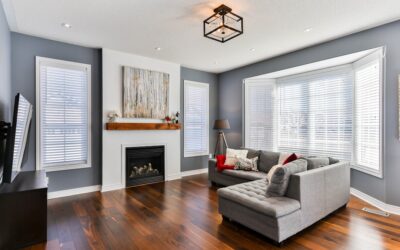
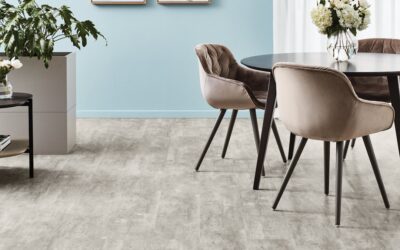
Hickory has one of the most distinctive grains in the wood world, full of dramatic color swings from pale cream to deep chocolate, and that character is exactly why it translates so well into vinyl. Hickory LVP captures the knots, streaking, and rustic swagger of real hickory hardwood while shrugging off water, scratches, and the daily abuse that would dent the genuine article. If you love the farmhouse or lodge look but have kids, dogs, or a basement to floor, this is one of the smartest ways to get it. Here is what actually matters when you shop.
Why Hickory Grain Reads So Well in Vinyl
Real hickory is prized for its high contrast and busy figure, and that visual noise hides seams and printing repeats better than a calm species like maple. On a quality plank, the photographic layer captures mineral streaks, worm holes, and color variation that make each board look different from the next. Cheaper hickory LVP gives itself away with an obvious four- or six-plank repeat pattern, so before you buy, lay out a full box and look for how often the same board shows up.
The texture layer is just as important as the print. Hickory should feel like it looks, so seek out embossed-in-register (EIR) products where the surface texture lines up with the printed grain. That registration is what separates a $4-per-square-foot plank that looks like plastic from a $5.50 plank that fools guests.
Understanding Wear Layers and Construction
The wear layer is the clear top skin that determines how long the floor survives. For hickory LVP in a home, look for a wear layer of at least 12 mil for light residential use and 20 mil for busy households with pets. Commercial-grade planks run 22 mil and up. Below 6 mil, the print scratches through quickly and you lose the very grain you paid for.
Construction splits into two camps. SPC (stone plastic composite) has a rigid, dent-resistant core and is nearly indestructible underfoot, which suits kitchens and entryways. WPC (wood plastic composite) is a touch softer and warmer, with a slightly more cushioned step that some people prefer in bedrooms. Both are fully waterproof, so the choice is really about feel and impact resistance rather than moisture.
Plank Sizes and Their Effect on the Look
Hickory hardwood was traditionally milled in shorter, narrower boards, so LVP that mimics it in a 7-inch width by 48-inch length feels authentic. Wider planks at 9 inches read more contemporary and can look slightly less true to the species, though they install faster and show fewer seams. Longer 60-inch planks make small rooms feel larger. If you want the rustic cabin effect, mixed-width hickory collections that combine 5-inch and 7-inch boards deliver the most convincing old-farmhouse floor.
Color Options and Where They Shine
- Natural hickory: the classic cream-to-caramel blend with brown streaks; works in nearly any room and hides crumbs and dust.
- Weathered gray hickory: a driftwood tone that suits coastal and modern farmhouse spaces.
- Hand-scraped brown hickory: deeper chocolate tones with sculpted texture for a lodge or rustic feel.
- Whitewashed hickory: a light, airy option that brightens basements and small rooms.
Because hickory naturally hides dirt and pet hair better than dark uniform floors, it is a practical pick for high-traffic zones. The busy grain is forgiving of the crumbs and dust that make solid dark planks look filthy an hour after cleaning.
What Hickory LVP Costs
Expect to pay between $2.50 and $4 per square foot for entry-level hickory LVP, $4 to $6 for mid-grade products with thicker wear layers and EIR texture, and $6 to $8 for premium collections with attached underlayment and 20-mil-plus surfaces. Professional installation adds roughly $1.50 to $4 per square foot. For a 300-square-foot room, a solid mid-grade material budget lands around $1,500 before labor. Attached-pad planks cost more up front but save you buying separate underlayment.
Installation Notes
Most hickory LVP uses a click-lock floating system that goes over almost any flat, clean subfloor, including existing tile or vinyl. Acclimate the boxes in the room for 48 hours, leave a 1/4-inch to 3/8-inch expansion gap around the perimeter, and never trap the floor under cabinets or heavy islands. On concrete, run a moisture test even though the planks are waterproof, because trapped slab moisture can still cause problems with adhesives and pads. A quality underlayment with a vapor barrier is cheap insurance in basements.
Rigid SPC planks tolerate minor subfloor imperfections better than flexible vinyl, but anything over 3/16-inch dip across 10 feet should be leveled first. Skipping that step leads to hollow-sounding spots and clicking seams.
Design Ideas and Room Pairings
Hickory’s bold grain is a design statement, so the surrounding finishes should let it breathe. In a farmhouse kitchen, natural or caramel hickory pairs beautifully with white shaker cabinets and a butcher-block or quartz counter, letting the floor supply the warmth. For a modern rustic look, weathered gray hickory grounds matte black hardware, black-framed windows, and greenery without feeling heavy. Whitewashed hickory brightens north-facing rooms and small spaces, bouncing light around and making low ceilings feel taller.
Because the species runs busy, keep large area rugs relatively calm; a low-contrast jute or a solid wool rug anchors a seating area without competing with the floor. In open-concept homes, running the same hickory planks continuously from the kitchen through the living room makes the whole level read as one larger space, and laying the planks parallel to the longest wall reinforces that effect. Point them toward the main window and the grain draws the eye outdoors.
Hickory also plays well with stone and tile transitions. A hickory-look LVP flowing into a slate or porcelain entry gives a durable, water-tolerant threshold while keeping the palette cohesive. In basements, whitewashed or gray hickory counteracts the cave-like feel that dark floors create in low light. For staircases, many manufacturers offer matching stair treads and nosing in the same pattern, so the floor carries seamlessly up the steps rather than stopping abruptly. One practical tip: order a few loose planks and live with them in the actual room for a day, viewing them in morning and evening light, before you commit to a color, because hickory shifts noticeably between warm and cool light.
Care and Longevity
Sweep or dust-mop regularly and damp-mop with a pH-neutral cleaner; skip steam mops, which can drive moisture into seams over time. Felt pads under furniture legs protect the wear layer, and a walk-off mat at exterior doors keeps grit from acting like sandpaper. Well-maintained hickory LVP with a 20-mil wear layer routinely lasts 15 to 25 years, and most quality brands back that with a residential lifetime warranty.
For a floor that looks like reclaimed timber but survives a mudroom, hickory LVP is hard to beat. Match the wear layer to your traffic, insist on EIR texture, and buy an extra box for future repairs, and you will get hardwood character without the hardwood worry.
Prefer to explore on your own?
See how new flooring looks in your actual room in seconds — free, no signup.
Try the free Floor Studio →