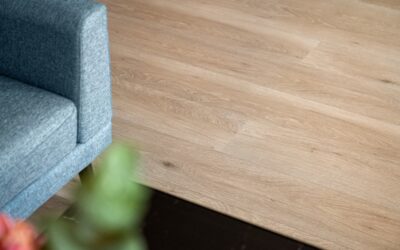
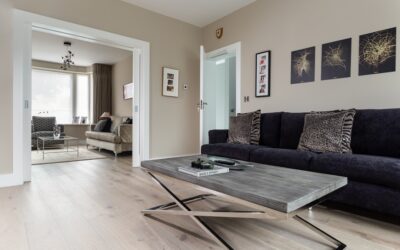
Hickory is the hardest commonly used American hardwood, with a Janka rating around 1820, which makes it a legitimately tough floor. The challenge is that real hickory shows dramatic grain variation that some homeowners love and some find too busy. Modern hickory LVP flooring captures the visual character without the moisture sensitivity or installation complexity of solid wood. After installing both real hickory and hickory-look LVP across kitchens, basements, and primary living spaces, here is when each one is the right call and what specs separate good hickory LVP from bad.
- Why Hickory Is a Popular Vinyl Look
- What Quality Hickory LVP Looks Like
- Hickory LVP Flooring vs Real Hickory
- Where Hickory LVP Beats the Real Thing
- Where Real Hickory Still Wins
- Installation Considerations for Hickory LVP
- Subfloor and Moisture Reality
- Top Hickory LVP Product Lines to Consider
- Maintenance and Long-Term Care
- Final Verdict on Hickory LVP Flooring
Why Hickory Is a Popular Vinyl Look
Hickory has the strongest visual identity among major American hardwoods. The heartwood runs warm reddish-brown, the sapwood pale cream to white, and the grain pattern is wild with knots, mineral streaks, and tight figuring. Most homeowners either love it on sight or reject it immediately. There is rarely a middle reaction.
That visual drama translates well into LVP printing because the variation between planks is part of the look. A lower-resolution print on a clean white oak design reads as obviously fake, but the same print quality on a hickory design reads as authentic because real hickory itself looks busy and varied. The medium suits the species.
What Quality Hickory LVP Looks Like
Premium hickory LVP comes from COREtec, Mannington Adura Max, Shaw Floorte Pro, Mohawk SolidTech, and Karndean Van Gogh. Pricing runs $4 to $7 per square foot for the plank itself. Look for these specs as the dividing line between good and disappointing:
- Wear layer: 20 mil minimum, 28 mil for kitchens and entries.
- Plank dimensions: 7 inches wide minimum, 60 inch length for visual scale.
- Registered embossing: Texture aligned to printed grain (look for “EIR” on the spec sheet).
- Print variation: 16+ unique plank designs in the run to avoid repeat patterns.
- Core thickness: 6 to 8 mm rigid SPC or WPC core.
Hickory LVP Flooring vs Real Hickory
Real solid hickory runs $5 to $10 per square foot for the wood, $4 to $8 per square foot to install, and another $2 to $4 per square foot if you go unfinished and finish on site. Total $11 to $22 per square foot. Real hickory can be refinished three or four times across a 50-plus year lifespan.
Hickory LVP runs $4 to $7 per square foot for material and $2 to $4 per square foot installed, total $6 to $11 per square foot. Lifespan is 20 to 25 years and the floor cannot be refinished. The math favors LVP for total ownership cost over a 25 year horizon, especially in basements, kitchens, and homes near water.
Where Hickory LVP Beats the Real Thing
Below grade installs win hands down. A finished basement with real hickory is asking for a moisture problem within 10 years. Hickory LVP shrugs off the same conditions. Same logic applies to kitchens with kids and pets, mudrooms with seasonal slush, and laundry rooms.
Three-season rooms and sunrooms are LVP territory. Real hardwood will gap and cup with the seasonal humidity swings in those spaces. Quality LVP with UV-stable wear layer handles them as long as you use 3M Prestige 70 window film to control direct sun fade.
Where Real Hickory Still Wins
Primary living spaces in homes priced above $700K. The buyer expectation in that market is real wood, and high-end hickory LVP rarely matches the depth and warmth of real hickory under afternoon light. The price difference matters less when the home value is high.
Stair installations also favor real wood. LVP on stairs requires custom nosings and looks less natural than hickory on full solid treads. The acoustic difference under foot is also noticeable on stairs because the structure amplifies the floating-floor hollow sound.
Installation Considerations for Hickory LVP
The same rules apply as any rigid core LVP install. Subfloor flatness within 3/16 inch in a 10 foot span. Moisture testing on slab. Proper expansion gaps at walls and obstacles. Quality IXPE underlayment unless the plank has it pre-attached. Click-lock floating is the standard residential install method, with glue-down for very large open areas or commercial-grade installations.
The visual installation tip specific to hickory LVP is plank distribution. Hickory has so much color variation that pulling planks from three or four different boxes simultaneously and randomizing the layout prevents accidental color clusters. Without that step, you end up with a dark plank zone in one corner and a pale zone in another.
Subfloor and Moisture Reality
Calcium chloride or relative humidity testing on slab installs is non-negotiable. Above 75 percent RH, the moisture vapor will eventually cup the LVP edges. Use a vapor-barrier underlayment or skip the install in that location.
For wood subfloors, screw down any squeaky areas, replace any soft spots from old water damage, and verify joist deflection under load. Bouncy joists transmit through floating LVP and the flexing eventually breaks the click joints.
Top Hickory LVP Product Lines to Consider
COREtec Originals Premium and Pro Plus lines have strong hickory designs with 20 mil wear layer and SPC core. Mannington Adura Max in Hickory variants offers 22 mil wear layer and excellent visual realism. Shaw Floorte Pro Pantheon and Premio HD lines include solid hickory designs at competitive pricing.
Karndean Van Gogh and Knight Tile glue-down hickory designs are the high-design choice for showpiece installations, but they require glue-down install which adds $1 to $2 per square foot to labor. The visual quality justifies the upgrade for $1 million-plus homes where the floor is part of the design statement.
Maintenance and Long-Term Care
Sweep or vacuum two to three times a week with the beater bar off. Damp mop with Bona Pro Series Hard Surface Floor Cleaner or a similar pH-neutral cleaner. Avoid steam mops, oil soaps, wax, and abrasive scrub pads. Place felt pads under all furniture legs.
Spills wipe up cleanly because the surface is impermeable. The hickory grain print does not change tone with water exposure the way real hickory grain temporarily darkens. This is one of the small clues that gives away high-end LVP versus real wood, but it disappears once the floor dries.
Final Verdict on Hickory LVP Flooring
For most US homes, hickory LVP flooring at the 20 mil wear layer price point is a smart choice that delivers the species’ distinctive visual character with the practical advantages of waterproof construction. Real hickory still wins for high-end primary living spaces and stair installations. Below grade, in kitchens, in busy households, and in three-season rooms, hickory LVP is the right call. Choose a premium-tier product line, prep the subfloor properly, and randomize plank distribution at install. The floor reads as authentic and lasts the practical service life you need.
Prefer to explore on your own?
See how new flooring looks in your actual room in seconds — free, no signup.
Try the free Floor Studio →