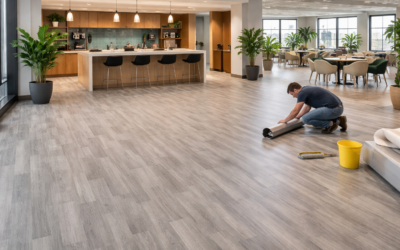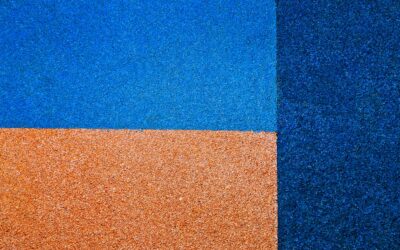
Homogeneous flooring is a type of resilient vinyl flooring where the color and pattern extend through the entire thickness of the material, from the surface all the way to the backing. Unlike heterogeneous (layered) vinyl that has a printed design layer covered by a wear layer, homogeneous vinyl is the same composition throughout. If you scratch or wear through the surface, the same color is underneath.
This through-body construction makes homogeneous flooring exceptionally durable and ideal for high-traffic commercial environments like hospitals, schools, airports, and retail spaces. This guide explains how homogeneous flooring works, where it is used, how it compares to other commercial flooring options, and what the top brands offer.
- How Homogeneous Flooring Is Made
- Key Properties of Homogeneous Flooring
- Where Homogeneous Flooring Is Used
- Homogeneous vs. Heterogeneous Vinyl Flooring
- Installation of Homogeneous Flooring
- Maintenance and Lifecycle
- Top Homogeneous Flooring Brands
- Cost of Homogeneous Flooring
- Environmental Considerations
- Final Thoughts
How Homogeneous Flooring Is Made
Homogeneous vinyl flooring is manufactured by mixing PVC resin, plasticizers, pigments, and mineral fillers into a single compound. This compound is then calendered (rolled under heat and pressure) into sheets or tiles of uniform composition. Because the same material runs through the full thickness, typically 2mm to 3mm, the floor can be worn down significantly without losing its color or pattern.
The manufacturing process allows for precise control of color, pattern, and performance characteristics. Most homogeneous flooring features subtle, directional marbled or granular patterns that effectively hide dirt, scuffs, and wear between cleanings.
Key Properties of Homogeneous Flooring
Through-Body Color
This is the defining feature. Because the pattern and color are not just on the surface, homogeneous flooring maintains its appearance even under extreme wear. In facilities with rolling carts, heavy foot traffic, and abrasive soil, this is a critical advantage over layered products where the wear layer can be breached.
Durability
Homogeneous vinyl is engineered for decades of service in demanding environments. When properly maintained, a quality homogeneous floor can last 20 to 30 years in a commercial setting. The material resists indentation from heavy furniture, rolling loads, and foot traffic without permanent deformation.
Chemical Resistance
Homogeneous flooring resists a wide range of chemicals, including hospital-grade disinfectants, cleaning agents, and common spills. This makes it suitable for laboratories, pharmacies, and healthcare facilities where chemical exposure is routine.
Hygiene
Most homogeneous flooring products feature heat-welded seams that create a continuous, impervious surface with no gaps for bacteria, dirt, or moisture to penetrate. This seamless installation method is a key reason homogeneous flooring is the preferred choice in healthcare and food service environments.
Antistatic Properties
Certain homogeneous flooring products are engineered with conductive or dissipative properties for environments where electrostatic discharge (ESD) is a concern. Computer server rooms, electronics manufacturing facilities, and operating rooms often require this feature.
Where Homogeneous Flooring Is Used
Healthcare Facilities
Hospitals, clinics, surgical centers, and long-term care facilities are the largest market for homogeneous flooring. The seamless, heat-welded installation prevents bacterial growth in seams. The chemical resistance handles aggressive disinfection protocols. The through-body color maintains appearance despite heavy gurney and wheelchair traffic.
Educational Institutions
Schools, universities, and libraries use homogeneous flooring extensively in corridors, classrooms, and common areas. The durability handles thousands of students daily, and the easy maintenance keeps custodial costs manageable. Many education-grade products include enhanced acoustic properties to reduce noise in hallways.
Airports and Transportation Hubs
The extreme foot traffic, rolling luggage, and heavy cleaning equipment in airports demand a floor that can take a beating. Homogeneous vinyl handles this environment well and can be repaired by buffing out scratches and scuffs.
Retail and Commercial Offices
High-traffic retail stores, government buildings, and corporate offices use homogeneous flooring for its combination of durability, aesthetics, and easy maintenance. The wide range of colors and patterns available makes it easy to coordinate with brand aesthetics and interior design schemes.
Laboratories and Clean Rooms
The seamless installation, chemical resistance, and ESD options make homogeneous flooring suitable for research laboratories, pharmaceutical clean rooms, and manufacturing environments with strict contamination control requirements.
Food Service and Commercial Kitchens
Commercial kitchens and food processing areas benefit from the seamless, easy-to-clean surface. Homogeneous flooring with enhanced slip resistance is available for wet areas where safety is critical.
Homogeneous vs. Heterogeneous Vinyl Flooring
Understanding the difference between homogeneous and heterogeneous vinyl helps you choose the right product for your application.
Heterogeneous Vinyl
Heterogeneous vinyl has multiple layers: a backing, a core, a printed design layer, and a clear wear layer on top. This layered construction allows for highly realistic wood, stone, and pattern designs because the appearance is printed onto a film layer. Vinyl flooring products like LVP and LVT are heterogeneous by design.
Heterogeneous vinyl is excellent for residential and light commercial use, but the printed design layer can be worn through under extreme traffic, exposing the core material underneath.
Homogeneous Vinyl
Homogeneous vinyl sacrifices design versatility for superior durability. The patterns are limited to marbled, granular, and abstract designs because the color must extend through the full thickness. You will not find realistic wood-grain or stone-look options in homogeneous vinyl.
The trade-off is that homogeneous flooring maintains its appearance far longer under heavy use and can be restored by buffing and recoating rather than replacing.
When to Choose Each
- Choose homogeneous when: Extreme durability is needed, seamless hygiene is critical, the space has very heavy foot or rolling traffic, or long-term lifecycle cost matters more than design variety.
- Choose heterogeneous when: Design variety and realistic visuals are important, the traffic level is moderate, or the budget is tighter and the space is residential or light commercial.
Installation of Homogeneous Flooring
Subfloor Requirements
Homogeneous vinyl requires a smooth, flat, dry, and clean subfloor. Because the material is relatively thin (2-3mm), it telegraphs any imperfection in the substrate. Self-leveling compound is typically used to create a perfectly smooth surface before installation.
Adhesive Application
Homogeneous flooring is glued down using a pressure-sensitive or wet-set adhesive. The adhesive type depends on the manufacturer’s specifications and the subfloor material. Proper adhesive selection and trowel notch size are critical for a successful installation.
Heat Welding
The seams between sheets or tiles are heat-welded using a specialized welding rod and hot-air welding tool. The welding rod, color-matched to the flooring, is melted into the seam to create a watertight, seamless bond. This is a skilled process that requires trained installers.
Professional Installation Required
Homogeneous flooring installation is not a DIY project. It requires specialized tools, materials, and training. Professional installation by a certified commercial flooring contractor is essential. Installation costs typically run $3 to $6 per square foot for labor.
Maintenance and Lifecycle
Daily Maintenance
Sweep or dust mop to remove loose dirt and debris. Damp mop with a neutral pH cleaner diluted per the manufacturer’s recommendations. Avoid using excessive water, abrasive pads, or solvent-based cleaners.
Periodic Maintenance
Scrub with an auto-scrubber or rotary machine and appropriate cleaner on a regular schedule based on traffic levels. High-traffic areas may need weekly scrubbing, while lower-traffic zones can go monthly.
Restoration
One of homogeneous flooring’s greatest advantages is its restorability. When the surface becomes dull, scratched, or worn, it can be buffed, stripped, and recoated to restore a like-new appearance. Because the color goes all the way through, even aggressive restoration methods like sanding and repolishing work without exposing a different-colored layer.
Polish and Coating Options
Many homogeneous flooring products come with a factory-applied polyurethane (PUR) or polyurethane-reinforced (PUR+) surface treatment that reduces maintenance requirements. PUR-treated floors resist staining, scuffing, and dirt embedding, reducing the frequency of stripping and recoating. Some products feature enhanced surface treatments that eliminate the need for wax or polish entirely.
Top Homogeneous Flooring Brands
Tarkett (iQ Series)
Tarkett’s iQ line is one of the most widely specified homogeneous flooring ranges globally. The iQ Granit, iQ Optima, and iQ Eminent collections offer hundreds of colors and patterns. Tarkett’s iQ products feature the company’s patented iQ PUR surface treatment for easy maintenance.
Armstrong (Medintech and Imperial Texture)
Armstrong’s commercial homogeneous products have been industry staples for decades. Imperial Texture is one of the most recognized names in commercial VCT (vinyl composition tile), while Medintech serves healthcare environments with enhanced hygiene features.
Gerflor (Mipolam)
Gerflor’s Mipolam line is popular in European and international markets. The Mipolam Symbioz range includes bio-based content and emphasizes sustainability. Gerflor products are widely used in healthcare, education, and retail globally.
Forbo (Sphera)
Forbo’s Sphera homogeneous vinyl range is designed for environments with the highest hygiene demands. It features Forbo’s proprietary Dry Buffer surface treatment and is available in an extensive color palette.
Polyflor (Homogeneous Range)
Polyflor offers several homogeneous ranges including Pearlazzo PUR, Prestige PUR, and Mystique PUR. These products are popular in the UK, Asia, and Middle Eastern markets and are known for their color range and PUR surface protection.
Cost of Homogeneous Flooring
Material Costs
- Standard homogeneous sheet: $2 to $5 per square foot
- Premium homogeneous sheet (PUR-enhanced): $4 to $8 per square foot
- Specialty (ESD, conductive): $6 to $12 per square foot
Installation Costs
- Subfloor preparation: $1 to $3 per square foot
- Adhesive and installation labor: $3 to $6 per square foot
- Heat welding: $0.50 to $1.50 per linear foot of seam
Total Installed Cost
Most homogeneous flooring projects cost $6 to $14 per square foot fully installed. For a 10,000-square-foot commercial space, budget $60,000 to $140,000 depending on product selection and site conditions.
Lifecycle Cost Advantage
While the upfront cost is higher than basic laminate or heterogeneous vinyl, homogeneous flooring’s 20 to 30 year lifespan and restorability make it more cost-effective over time. When you factor in reduced replacement frequency and lower maintenance costs, homogeneous flooring often delivers the lowest total cost of ownership for commercial spaces.
Environmental Considerations
Many homogeneous flooring manufacturers have made significant strides in sustainability. Features to look for include:
- Recycled content in the backing or core material
- Phthalate-free plasticizers
- Low VOC emissions (FloorScore or Greenguard Gold certified)
- Manufacturer take-back and recycling programs
- Bio-based or partially bio-sourced content
Tarkett, Forbo, and Gerflor are leaders in sustainable manufacturing for homogeneous vinyl, with product lines that incorporate recycled content and cradle-to-cradle design principles.
Final Thoughts
Homogeneous flooring is a specialized commercial product designed for environments where durability, hygiene, and long-term value outweigh the need for decorative variety. Its through-body construction, seamless heat-welded installation, and restorability make it the preferred choice in healthcare, education, and other demanding commercial settings. If you are specifying flooring for a commercial project, homogeneous vinyl deserves serious consideration for any high-traffic area where lifecycle cost and performance matter most.
Prefer to explore on your own?
See how new flooring looks in your actual room in seconds — free, no signup.
Try the free Floor Studio →