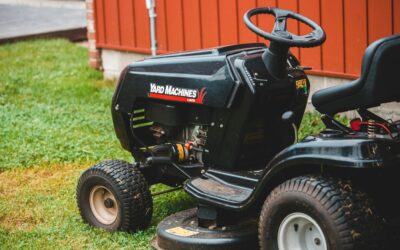
If you have pushed a mower across a suburban lawn in the last fifteen years, odds are a honda gcv160 lawn mower engine was doing the work. Honda bolted this 160cc overhead-cam single onto everything from Honda’s own HRR and HRX mowers to Craftsman, Ariens, and dozens of pressure washers. The short version is that the GCV160 is one of the most forgiving small engines ever built for a homeowner.
What the GCV160 Actually Is
Honda released the GCV160 as a residential-grade, low-vibration engine aimed at consumer equipment rather than commercial daily abuse. It uses an internal timing belt to drive the overhead cam, which is unusual for a mower engine and is the single biggest thing owners get wrong when they neglect it. Here are the core numbers worth committing to memory:
- Displacement: 160cc (single cylinder, 4-stroke OHC)
- Bore x stroke: 64mm x 50mm
- Net power: roughly 4.4 to 5.0 HP depending on the version (GCV160A, LA, LE)
- Peak torque: about 6.9 ft-lb around 2,500 RPM
- Governed operating speed: typically 2,800 to 3,000 RPM on a mower deck
- Fuel tank: around 0.5 quart on most mower applications
- Dry weight: roughly 21 to 27 lbs depending on trim
The engine is air-cooled and runs regular 87-octane unleaded. Do not feed it anything over 10 percent ethanol (E10). Ethanol above that eats the diaphragm carburetor and gums the tiny emulsion passages faster than you would believe.
Honda built several trim variants over the years, and knowing which one you have saves you from ordering wrong parts. The GCV160A0 series is the older manual-choke design, the GCV160LA is the workhorse with the thermal auto-choke, and the GCV160LE typically appears on pressure washers with a threaded crankshaft instead of a keyed shaft for a mower blade. The engine serial and model number are stamped on a raised pad near the muffler shroud; write those digits down before you buy a carburetor or recoil, because Honda changed the intake gasket footprint mid-production and the wrong gasket will pull air and lean out the mixture.
Oil Type and Capacity
Nothing kills a GCV160 quicker than running it low or dry, because the splash-lubrication system depends on a full sump. Get this right and the engine will outlast the deck it is bolted to.
- Oil capacity: 0.55 quart (about 18 oz), with no separate filter to worry about
- Recommended viscosity: SAE 10W-30 for general use, 5W-30 in cold climates
- Change interval: first change at 5 hours on a new engine, then every 50 hours or once per season
There is no dipstick tube drain and no oil filter on the GCV160, so tip the mower on its side (carburetor and air filter UP, always) and drain from the fill hole into a pan. Overfilling causes smoking and blows oil past the breather into the air filter, which people misdiagnose as a bad engine. Fill to the top of the threads with the mower level, not a drop more.
Spark Plug and Ignition
Weak spark is a common cause of no-start problems on these engines. The GCV160 uses a transistorized magneto ignition with a fixed air gap, so there are no points to file.
- Spark plug: NGK BPR6ES (or Honda equivalent)
- Spark plug gap: 0.028 to 0.031 inch
- Ignition coil air gap: 0.008 to 0.016 inch
Set the plug gap with a wire feeler gauge, not a coin, and torque it to about 13 ft-lb. If you pull the plug and it is wet with fuel and black, you are running rich and the carburetor needs attention. Bone dry and tan means it is starving. That single observation saves you an hour of guessing.
Carburetor Problems and the Auto-Choke
Later GCV160 versions use a thermal auto-choke system instead of a manual lever, and it is the number one headache once these engines pass a few seasons. The auto-choke relies on a bi-metal spring near the muffler heat to open the choke plate as the engine warms. When old fuel varnishes the linkage or the spring weakens, the engine floods cold or won’t stay running warm.
A diagnostic sequence for a hard-starting GCV160:
- Confirm fresh fuel. Drain anything older than 30 days and refill with E10 plus stabilizer.
- Pull the air filter and check the choke plate position cold. It should be nearly closed cold, fully open hot.
- Spray a shot of carb cleaner into the intake. If it fires then dies, you have a fuel-delivery problem, not ignition.
- Remove the float bowl (single 10mm bolt) and clean the main jet with fine wire and cleaner. Most rough-running cases end here.
A replacement carburetor for the GCV160 runs $18 to $35 aftermarket, or $55 to $80 for genuine Honda. For a badly gummed unit, swapping it is usually smarter, since the labor to fully rebuild the tiny emulsion tube rarely pencils out.
Recoil Starter and Hard Pulling
Owners often blame the engine when the real problem is a tired recoil starter. The GCV160 uses a rewind spring and a friction pawl assembly that wears with age. If the rope pulls out but won’t retract, the recoil spring has slipped its hook, and a replacement rewind assembly runs $15 to $25. If the rope feels like it’s grinding, the plastic pawls inside the flywheel cup are chipped and no longer catch the drive plate. People sometimes replace a perfectly good carburetor chasing a starting complaint that was purely a worn recoil. Pull the three 8mm bolts holding the recoil housing, spin it by hand, and you’ll usually see the fault in ten seconds.
One more starting gotcha specific to mower applications: the blade-brake-clutch cable. On Honda HRR and HRX decks, the flywheel brake must fully release when you squeeze the bail handle. A stretched or frayed cable leaves the brake partially engaged, so the engine fights the brake and feels impossible to pull over. Check the cable free-play before you assume a mechanical problem inside the engine.
The Timing Belt Nobody Talks About
Because the GCV160 is an overhead-cam design, it has an internal cogged timing belt syncing the crankshaft to the cam. Honda rates it as a lifetime part under normal use, but “normal” assumes clean oil and no overheating. If the belt strips teeth, the valves lose timing and the engine either won’t start or backfires hard through the carburetor. Replacing it means splitting the case, so most homeowners scrap the engine instead. Keeping oil full and clean is what protects that belt, which is why the 50-hour change interval matters.
Common Failure Modes and Quick Fixes
A handful of failures show up again and again on the GCV160, and knowing them shortcuts the diagnosis:
- Smoking on startup then clearing: worn valve stem seals or a slightly overfilled sump, usually not urgent
- Surging or hunting at idle: a partially clogged pilot circuit, fixed with carb cleaner through the bowl
- Won’t idle down, races high: governor linkage bent or the governor spring unhooked
- Backfire through the muffler on shutdown: normal on some units, or lean fuel from an air leak at the intake gasket
- Fuel leaking from the air filter: stuck float needle flooding the bowl, replace the float valve
Most of these are 20-minute fixes with a 10mm socket and a can of carburetor cleaner. The GCV160 rewards a methodical owner, and none of these repairs require special Honda tools or a trip to the dealer.
Keeping a GCV160 Alive for a Decade
A well-maintained honda gcv160 lawn mower engine will run 500-plus hours without a rebuild, which for a homeowner mowing a quarter-acre is roughly 8 to 10 seasons. This end-of-season routine keeps them starting on the first or second pull every spring:
- Run the tank dry or add stabilizer before winter storage
- Change the oil warm so the contaminants drain out with it
- Replace the paper air filter yearly (about $8) and never oil it
- Sharpen or replace the blade each spring so the engine isn’t fighting a dull edge
- Clean the cooling fins under the shroud so it doesn’t cook itself
When people ask whether the GCV160 is worth repairing versus buying a new mower, the answer depends on the deck. If the deck and wheels are solid, a $30 carburetor and a $12 tune-up kit bring the engine back to like-new starting. That is a fraction of a $350 replacement mower. The GCV160 earned its reputation honestly, and a little attention to oil, fuel, and the auto-choke is all it asks in return.