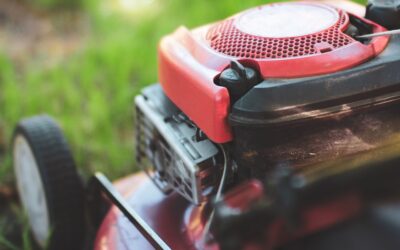
Honda walk-behind mowers are known for GCV and GXV engines that run for a decade or more with the right care. Sooner or later you will need Honda lawn mower parts — a fresh blade, an air filter, a carburetor kit, or a drive belt. This guide walks through the parts you will replace most, how to identify them, what they cost, and how to install them yourself.
- Why Genuine Honda Parts Matter
- Finding Your Model and Engine Numbers
- Blades: The Most Replaced Part
- Air Filters and Spark Plugs
- Carburetor and Fuel System Parts
- Drive System and Self-Propel Parts
- Recoil Starters and Cords
- Deck, Wheels, and Height Adjusters
- How to Buy the Right Part
- Basic DIY Replacement Steps
- Typical Repair Costs
- Oil, Lubrication, and Governor Parts
- Seasonal Tune-Up Kits
- Common Mistakes to Avoid
- Final Thoughts
Why Genuine Honda Parts Matter
Honda engineers tight tolerances into their engines, and generic replacements often fit loosely or wear out early. Genuine parts carry an OEM part number, match the original spec, and protect any remaining warranty. Aftermarket parts can be fine for consumables like blades and air filters, but for carburetors, governor components, and ignition parts, OEM is the safer bet. The trade-off is price: OEM usually costs 20% to 60% more than aftermarket equivalents.
Finding Your Model and Engine Numbers
Before ordering anything, identify two things: the mower model and the engine model. The mower model (for example HRX217, HRN216, HRR216) is on a sticker on the deck or rear of the machine. The engine model (GCV160, GCV170, GCV200, GXV160) is stamped on the engine block or a label near the spark plug. Honda parts are organized by both, so having each number prevents ordering the wrong item. Write down the serial number too — mid-production changes mean the same model can use different parts by serial range.
Blades: The Most Replaced Part
Mower blades dull, chip, and bend over a season. Honda uses several blade systems:
- MicroCut twin blades — HRX models use a stacked four-blade system for finer clippings.
- Standard 21-inch blades — HRR and HRN models use a single or dual conventional blade.
- Mulching blades — designed to recut clippings for bagging or mulch mode.
Genuine Honda blades run about $18–$40 each depending on the system. Replace blades that are cracked or heavily gouged rather than sharpening — a compromised blade can shatter. Sharpen mild dullness with a file, keeping the factory 30-degree bevel and checking balance afterward.
Air Filters and Spark Plugs
These two consumables keep the engine breathing and firing. Honda GCV engines use a paper or foam air filter that should be cleaned every 25 hours and replaced yearly — typically $8–$15. The spark plug (often an NGK BPR6ES equivalent) should be gapped to about 0.028–0.031 inches and replaced every 100 hours or each season, costing $4–$8. A clogged filter or fouled plug causes hard starting, rough idle, and power loss more often than any other issue.
Carburetor and Fuel System Parts
Stale fuel is the number-one killer of small engines. Ethanol-blended gas absorbs moisture and gums up carburetor jets over the off-season. Common fuel-system parts include:
- Carburetor assembly ($25–$70 aftermarket, $60–$120 OEM)
- Carburetor rebuild kit with gaskets and float needle ($10–$25)
- Fuel filter, fuel line, and primer bulb ($5–$15)
- Fuel shut-off valve on some models
If the mower starts on starting fluid but dies, or floods and leaks fuel, the carburetor almost always needs a clean or rebuild. Always drain fuel or add stabilizer before winter storage to avoid this.
Drive System and Self-Propel Parts
Self-propelled Honda mowers add a transmission, drive belt, and drive cables. If your mower stops pulling itself, suspect:
- Drive belt — stretches or glazes over time; $12–$30.
- Drive cable — frays or stretches, causing weak engagement; $15–$35.
- Transmission assembly — the costliest drive part at $80–$200.
- Wheel gears and drive wheels — the plastic gear teeth wear down; $10–$40 per wheel.
The Roto-Stop blade brake clutch on some HRX models is another wear item that lets the blade stop while the engine runs.
Recoil Starters and Cords
A broken pull cord or a recoil that won’t retract is a common, inexpensive fix. You can buy just the starter rope (around $5) and rewind it, or replace the entire recoil starter assembly ($20–$45). If the engine has an electric start, the battery and starter solenoid are the parts to check first.
Deck, Wheels, and Height Adjusters
The mower deck itself rarely fails, but its accessories wear:
- Wheels and bearings — $8–$25 each; worn bearings make wobbling wheels.
- Height-adjustment levers and springs — plastic parts that crack.
- Grass bag and bag frame — fabric tears and clogs; $25–$50.
- Deck seals and rubber flaps — replace to maintain suction and mulching quality.
How to Buy the Right Part
Follow this order to avoid returns:
- Record the mower model, engine model, and serial number.
- Look up the official Honda parts diagram (an exploded schematic) for your model.
- Match the reference number on the diagram to the part number.
- Cross-check the part number against the seller’s listing.
- Decide OEM vs. aftermarket based on how critical the part is.
Authorized Honda Power Equipment dealers, the official parts lookup site, and reputable small-engine retailers are the safest sources. Be cautious with unbranded marketplace listings that don’t cite a Honda part number.
Basic DIY Replacement Steps
Most consumable swaps are beginner-friendly. For a blade change:
- Disconnect the spark plug wire — always, before any deck work.
- Tip the mower with the carburetor and air filter side up to avoid oil and fuel leaks.
- Wedge a block of wood against the blade to stop rotation.
- Loosen the blade bolt with a socket wrench and remove the old blade.
- Install the new blade with the cutting edge and any wind lift facing correctly (curved side up).
- Torque the bolt to spec (typically 36–43 ft-lb on GCV engines) and reconnect the plug.
Typical Repair Costs
Doing it yourself saves the shop labor, which often runs $60–$100 per hour. A DIY tune-up — air filter, spark plug, oil change, and blade — costs roughly $40–$70 in parts. A carburetor rebuild is $10–$25 in parts versus $80–$150 at a shop. Knowing which parts fail lets you keep a mower running for well under the price of a new one, which starts around $400 for a Honda walk-behind.
Oil, Lubrication, and Governor Parts
Beyond the headline components, several smaller parts keep a Honda engine healthy. The engine oil itself is arguably the most important consumable — change it every 50 hours or once per season, using SAE 10W-30 for general temperatures. Related parts and service items include:
- Oil drain plug and washer, which can strip if overtightened
- Governor spring and linkage, which regulate engine speed under load
- Throttle and choke control cables that fray and bind over time
- Crankcase breather gasket, which prevents oil seepage
- Valve cover gasket on higher-hour engines
A sticking governor makes the engine surge or hunt, and a stretched throttle cable makes speed hard to control. Both are inexpensive parts that restore smooth running.
Seasonal Tune-Up Kits
Many retailers bundle the common wear items into a single tune-up kit matched to your engine model. A typical GCV160 or GCV170 kit includes an air filter, spark plug, and sometimes a fuel filter and oil, for roughly $20–$35. Buying the kit is usually cheaper than sourcing each piece separately and guarantees the parts fit your engine. Perform this tune-up each spring before the first mow, and your Honda will start on the first or second pull all season. Keep a spare blade and a bottle of fuel stabilizer on the shelf so a dull edge or gummed carburetor never sidelines you mid-season.
Common Mistakes to Avoid
Watch out for these errors: over-tightening the blade bolt and stripping threads; installing a blade upside down so it cuts poorly and vibrates; forgetting to gap a new spark plug; using the wrong oil (Honda GCV engines take SAE 10W-30, about 0.4–0.6 quarts with no oil filter on most models); and letting ethanol fuel sit all winter without stabilizer. Each of these turns a simple job into a repeat repair.
Final Thoughts
Keeping a Honda mower alive comes down to matching the right Honda lawn mower parts to your exact model and engine numbers, then favoring genuine components for the engine’s critical systems. Stock up on blades, filters, and a spark plug each season, drain or stabilize your fuel, and tackle carburetor and drive-belt jobs before they strand you. With the correct parts and a little maintenance, a Honda mower routinely lasts 10 to 15 years.