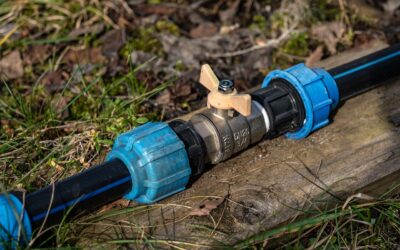
Many homeowners are surprised to learn that a septic drain field is shallow. If you are asking how deep is a leach field, the usual answer is that conventional trenches are dug about 18 to 36 inches below the surface, with the perforated pipe resting roughly a foot or two down. Some systems are shallower, some sit partly above grade in a raised mound, and a few in deep, sandy soils run a little deeper.
That shallow placement is on purpose. The upper layers of soil hold the most oxygen and the most active bacteria, and those microbes do the final treatment of wastewater before it reaches groundwater. Bury the lines too deep and the soil gets less air, treatment slows and the field can clog sooner.
- How Deep Is a Leach Field in a Conventional System?
- What Changes the Depth: Soil and Water Table
- How to Locate Leach Field Lines Before You Dig
- Safety and Protection for Your Drain Field
- Troubleshooting Depth-Related Problems
- General Cost Ranges
- When to Call a Licensed Professional
- Frequently Asked Questions
Depth also matters for practical reasons. If you plan to plant trees, build a shed, install a fence or run a sprinkler line, you need to know the field is often only a shovel blade or two below the lawn. Driving a truck across it or setting fence posts in the wrong place can crush pipe that took thousands of dollars to install.
How Deep Is a Leach Field in a Conventional System?
A conventional gravity system uses a series of trenches or a single bed. In a typical trench, the installer excavates to a depth of 18 to 36 inches and a width of about 1 to 3 feet. A layer of washed gravel or stone, often around 6 inches or more, goes in the bottom. The perforated distribution pipe sits on that gravel, more stone covers it by a couple of inches, then a barrier fabric and backfill soil finish the trench. The final cover over the pipe is commonly around 12 inches, though local rules vary.
Gravelless chamber systems follow a similar pattern. The plastic arched chambers replace the stone and pipe, but they still sit in trenches of comparable depth with about a foot or so of soil over the top.
So when someone asks how deep is a septic drain field, the honest range for most homes is “about 1.5 to 3 feet to the bottom of the trench, with the pipe or chamber top somewhere around 6 to 24 inches below grade.”
Typical depths by system type
- Conventional gravel trench: trench bottom about 18 to 36 inches deep
- Chamber system: similar trench depth, chamber top often 6 to 12 inches or more below grade
- Shallow or at-grade system: trench or bed only about 6 to 12 inches into native soil, with extra fill on top
- Mound system: distribution bed built above original grade in imported sand fill, so the “depth” is effectively negative relative to the original ground
- Drip dispersal: small tubing laid about 6 to 12 inches below the surface
What Changes the Depth: Soil and Water Table
Every septic design starts with a soil evaluation, often called a perc test or soil profile. The evaluator digs test holes and looks for two things: how fast water moves through the soil and how far down the “limiting layer” sits. A limiting layer can be bedrock, dense clay, hardpan or the seasonal high water table.
Most codes require a minimum vertical separation between the bottom of the trench and that limiting layer, commonly in the range of 2 to 4 feet. That separation gives wastewater enough unsaturated soil to filter through before it reaches groundwater. If the water table rises to 3 feet below the surface in spring, a trench 36 inches deep would leave no separation at all, so the designer must go shallower or build up.
Soil texture matters too. Fast-draining sandy soil can accept deeper trenches but may need extra length or fill to slow the flow enough for treatment. Heavy clay drains slowly, which pushes designers toward wider, shallower beds or alternative systems. Rocky ground and steep slopes add their own constraints.
That is why two houses on the same street can have very different answers to how deep are drain fields on their lots. A home at the top of a slope with deep loam may have standard trenches, while the one near a creek with a high water table may have a mound.
How to Locate Leach Field Lines Before You Dig
Finding your drain field is the first job before any landscaping, fencing or construction. Start with paperwork and work toward the ground:
- Call 811 first. Before any digging, call 811 or use your state’s online request so utilities can mark buried electric, gas, water and communication lines. Private septic lines are usually not marked by 811, but you need to know where everything else is before probing or excavating.
- Pull the records. Your county or local health department often keeps the septic permit and an as-built drawing showing tank and field locations with measurements from the house. Closing documents and previous inspection reports may include the same sketch.
- Find the tank. The outlet side of the tank points toward the field. Once you know where the tank is, the distribution box and lines are usually downhill or across the yard in that direction.
- Read the lawn. In dry weather, grass over trenches may look greener or browner in parallel stripes. After snow, the field sometimes melts first. Slight depressions or ridges can mark old trench lines.
- Probe gently. A soil probe rod, a thin steel rod with a T-handle, lets you feel for the change from soft soil to gravel or the top of a chamber. Push straight down with hand pressure only, a few inches at a time, and stop when you meet resistance. Never pound or hammer a probe, because you can crack pipe or chamber tops.
- Mark and map. Flag each find, then measure from fixed points such as house corners so the map survives once the flags are gone.
Safety and Protection for Your Drain Field
Because the field is shallow, the biggest risks come from weight and roots. Keep vehicles, trailers, hot tubs, sheds and patios off the field and its reserve area. Compacted soil loses its ability to absorb water, and heavy loads can crush lines that sit only a foot down.
Plant only grass or shallow-rooted ground cover over the field. Trees and large shrubs belong well away from it, because roots seek out the moisture and nutrients in the trenches. Route roof downspouts and sump discharge away from the area so the soil is not flooded with clean water.
If a project requires digging near the field, treat it as structural work: confirm utilities through 811, respect setbacks required by your local health department, and check whether a permit or HOA approval is needed for fences, additions or outbuildings near the system. Fence posts and footings must be set outside the field and its reserve area, never through trenches. Never open or lean over a septic tank while locating lines, since the gases inside can be deadly.
Troubleshooting Depth-Related Problems
Soggy, spongy ground or odors over the field. Effluent may be surfacing because the field is saturated, clogged or too close to a high water table. Keep people and pets away and call a septic professional.
Lines found much shallower than expected. Erosion, regrading or an at-grade design may have reduced cover. Thin cover can freeze in cold climates and is easy to damage. A pro may recommend added topsoil, but adding fill over a field should only be done with guidance, since too much can starve the soil of oxygen.
Can’t find the field at all. Older systems may lack records. Septic companies can locate lines with a camera, a transmitter pushed through the pipe or careful probing.
Freezing in winter. Shallow fields in cold regions rely on snow cover and steady use to stay warm. Avoid compacting snow over the field and do not let water trickle continuously, since a small flow can freeze in place.
General Cost Ranges
Locating lines with a professional often costs a few hundred dollars, more if camera work is involved. A septic inspection typically runs a few hundred dollars as well. Replacing a conventional drain field can range from several thousand dollars to well over $15,000, and mound or advanced treatment systems often cost more because of imported fill and pumps. Prices vary widely by region and soil.
When to Call a Licensed Professional
Design, repair and replacement of a drain field require a permit in most areas and a licensed septic installer or designer. Call a licensed septic professional if you see surfacing water, smell sewage in the yard, have slow drains throughout the house or plan construction near the system. They can locate the field accurately, measure its depth, inspect the distribution box and tell you whether problems are fixable or the field needs replacement. Any excavation should be preceded by an 811 call, and any work touching the tank should be left entirely to the pro.
Frequently Asked Questions
How deep is a leach field usually buried?
Most conventional leach field trenches are about 18 to 36 inches deep, with the perforated pipe or chamber covered by roughly 6 to 24 inches of soil. Shallow, at-grade and mound systems can be much closer to the surface.
How deep is a septic leach field compared with the tank?
The field is generally at a similar or shallower depth than the tank outlet, because effluent flows by gravity from the tank to the distribution box and into the trenches. Pumped systems can place the field uphill or at different depths.
Can I build a fence or patio over a drain field?
No. Fence posts, footings, patios and structures can crush pipe and compact the soil. Keep them outside the field and its reserve area, and check local setback rules before building.
Why are drain fields so shallow?
The upper soil has the most oxygen and the most active bacteria, which treat the wastewater. Shallow placement also keeps the trench bottom far enough above the water table and bedrock for proper filtering.
What tool helps find leach field lines?
A soil probe rod pushed gently by hand can detect gravel or chamber tops a foot or two down. Start with county records and the tank location, call 811 before any digging and never hammer the probe.