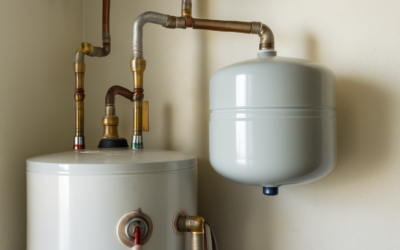
That small tank perched above your water heater does a quiet, important job, and most homeowners forget it exists until the relief valve starts dripping. If you are wondering how long do expansion tanks last, the typical answer is 5 to 10 years for a thermal expansion tank on a residential water heater, with some lasting longer in soft water and some failing in as little as 3 to 5 years where water is hard, pressure is high or the tank was undersized.
The weak point is the rubber diaphragm or bladder inside. It separates a cushion of pressurized air from the water in your plumbing, and over time the air slowly leaks out or the rubber cracks. Once that happens, the tank fills with water, stops absorbing pressure and becomes dead weight hanging off a pipe.
- How Long Do Expansion Tanks Last on Average?
- Why Thermal Expansion Tanks Fail
- Tools and Materials for a Tank Check
- How to Check the Air Charge Step by Step
- Signs of a Failing or Waterlogged Expansion Tank
- Replacement Timing Alongside the Water Heater
- Typical Costs
- Safety and When to Call a Licensed Professional
- Frequently Asked Questions
A failing tank rarely announces itself loudly. Instead you get small clues: a dripping temperature and pressure relief valve, banging pipes, or a tank that sounds solid when tapped. Catching those signs early protects the water heater, faucets and supply lines from repeated pressure spikes.
How Long Do Expansion Tanks Last on Average?
Most thermal expansion tanks sold for homes carry warranties in the range of 1 to 5 years, and real-world service life usually runs longer than the warranty but shorter than the water heater. A tank that reaches 8 years is doing well. Because a tank water heater commonly lasts 8 to 12 years, many plumbers treat the expansion tank as a part that will need replacing at least once during the heater’s life, or simply swap both together.
Several conditions shorten that timeline:
- High incoming water pressure: Static pressure above roughly 80 psi stresses the diaphragm with every heating cycle. A pressure reducing valve that has failed open can cut tank life sharply.
- Undersized tank: A tank too small for the water heater volume and pressure flexes its diaphragm to the limit every cycle and wears out faster.
- Hard or aggressive water: Scale and chlorine attack the rubber and the steel shell, and mineral deposits can build up on the water side.
- Incorrect air precharge: A tank installed at the factory precharge without matching it to house pressure works harder from day one.
- Poor mounting: A full tank weighs a surprising amount. Tanks hung on a pipe with no support strap strain fittings and can develop leaks at the connection.
Why Thermal Expansion Tanks Fail
When water heats from roughly 50°F to 120°F, it expands by a couple of percent. In an open plumbing system that extra volume simply pushes back into the city main. Most modern homes, however, have a closed system because a check valve, backflow preventer or pressure reducing valve blocks reverse flow. Without somewhere to go, the expanded water drives pressure up sharply every time the heater runs.
The expansion tank gives that water a place to go. Inside the steel shell, a butyl rubber diaphragm or bladder separates the water side from an air side precharged through a tire-style valve on the end of the tank. As the water expands, it compresses the air cushion. Over years, air slowly permeates through the rubber and escapes, or the diaphragm cracks. Either way the tank becomes “waterlogged” and the pressure spikes return.
Corrosion of the steel shell is the second failure path. Tanks with lined water chambers resist this, but a pinhole leak at the seam or fitting eventually develops on many units, especially in humid basements and garages.
Tools and Materials for a Tank Check
- Tire pressure gauge (a standard pencil or digital gauge works)
- Water pressure gauge that threads onto a hose bib or laundry faucet
- Small hand pump or bicycle pump with a gauge
- Bucket, towels and a flashlight
- Gloves and eye protection
- Replacement thermal expansion tank sized for your heater and pressure, if needed
How to Check the Air Charge Step by Step
A pressure check takes about 15 minutes and tells you far more than a tap test alone. Keep in mind that the air charge must be read with no water pressure pushing on the diaphragm, which means isolating or draining the tank.
- Measure house water pressure. Thread a water pressure gauge onto an outdoor hose bib or washer valve, open it fully and note the reading with no water running anywhere in the house. Typical static pressure falls between 50 and 80 psi.
- Turn the water heater off. Set a gas heater to vacation or pilot mode, or switch off the breaker for an electric heater. Let the water cool; hot water and steam can scald.
- Isolate the tank. Close the cold water supply valve to the heater or the isolation valve on the tank line if you have one. Open a hot faucet at a low point in the house to relieve system pressure.
- Do the tap test. Knock on the tank. The top (air side) should sound hollow and the bottom (water side) duller. If the whole tank sounds solid, it is likely waterlogged.
- Press the air valve briefly. Remove the cap and press the valve core for a second. Air means the bladder is likely intact. Water spurting out means the diaphragm has ruptured and the tank needs replacing.
- Read the precharge. Put the tire gauge on the valve. The air pressure should match your measured house water pressure. A reading near zero, or far below house pressure, points to leakage.
- Adjust if the tank is sound. If the reading is low but no water came from the valve, pump air in to match house pressure. Recheck in a week; if it falls again, the rubber is leaking and replacement is the better move.
- Restore service. Close the faucet, open the cold supply, bleed air from a hot faucet until water flows smoothly, then turn the heater back on.
Signs of a Failing or Waterlogged Expansion Tank
Homeowners researching how long expansion tanks last are often reacting to one of these symptoms. Any one of them deserves a closer look.
- Dripping temperature and pressure relief valve: Pressure spikes from a failed tank push the T&P valve open intermittently, especially after a long heating cycle.
- Tank feels heavy or sounds solid: A waterlogged tank is full of water from end to end.
- Water from the air valve: A clear sign the diaphragm has torn.
- Pressure swings at faucets: A burst of strong flow when you first open a tap, then normal flow, can indicate pressure built up overnight.
- Rust or moisture on the shell: Corrosion at the seams or connection fitting usually means the tank is near the end.
- Running toilets or leaking fixtures: Repeated spikes wear out fill valves and cartridges faster than normal.
Rule out a failed pressure reducing valve as well. If house pressure reads above about 80 psi even with the heater off, the expansion tank may be working fine and the real problem is upstream.
Replacement Timing Alongside the Water Heater
The cleanest approach is to tie expansion tank decisions to the age of the water heater. If the heater is less than halfway through its expected life and the tank has failed, replace the tank alone. If the heater is 8 or more years old, consider replacing both together so labor is paid only once and the new tank is sized correctly for the new heater.
Sizing depends on heater volume, incoming pressure and water temperature. As a typical example, a 40 or 50 gallon heater on a system around 60 psi often pairs with a 2 gallon tank, while higher pressure or larger heaters move up to a 4.5 gallon size. Manufacturer sizing charts are the reliable reference. Mount the new tank on the cold supply line, support it with a strap or bracket so the pipe does not carry its weight, and set the precharge to house pressure before filling.
Typical Costs
Residential thermal expansion tanks are inexpensive parts, commonly running from about $40 to $100 for a 2 gallon unit and somewhat more for larger sizes. Professional replacement, including parts and labor, often lands in the range of roughly $150 to $400 depending on access, local labor rates and whether a support bracket or new valves are needed. Adding a pressure reducing valve, if the house lacks one or the existing valve has failed, adds a few hundred dollars more.
Safety and When to Call a Licensed Professional
Water heaters combine heat, pressure and, for many homes, gas or high-voltage electricity. Before touching the tank, turn the heater off and let the water cool so you are not exposed to scalding water. Keep the tank thermostat at about 120°F, a common anti-scald setting, and never cap, plug or remove the T&P relief valve. If the T&P valve is discharging frequently, treat it as a warning sign rather than a nuisance.
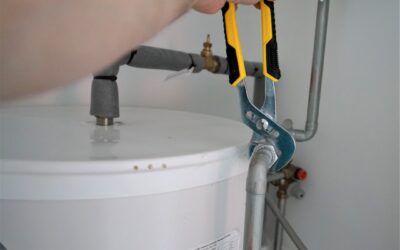
Shut off water and relieve pressure before loosening any fitting. For electric heaters, turn off the breaker and confirm power is off with a non-contact voltage tester before working near the unit. Gas connections, venting and burner work are for licensed professionals only, and if you ever smell gas, leave the house and call your utility from outside.
Call a licensed plumber if you are not comfortable cutting into supply lines, if your area requires a permit for water heater work, if pressure stays above 80 psi, or if the relief valve keeps releasing after a new tank is installed. Many jurisdictions require an expansion tank on closed systems, and a plumber will know the local requirements. Ultimately, the honest answer to how long do expansion tanks last is “it depends on pressure and care,” so a yearly air charge check is the cheapest insurance you can buy.
Frequently Asked Questions
How often should a water heater expansion tank be replaced?
Most residential tanks are replaced every 5 to 10 years. Checking the air charge once a year tells you whether yours is still holding pressure or has started to waterlog.
What happens if an expansion tank fails?
Water pressure spikes every time the heater runs. That can cause the relief valve to drip, stress the heater tank and fittings, and wear out faucets, toilet valves and appliance hoses faster.
Can I add air to my expansion tank?
Yes, if the bladder is intact. Isolate the tank, relieve water pressure and pump air through the valve to match house pressure. If water comes out of the valve or the charge keeps dropping, replace the tank.
Should an expansion tank be full of water?
No. A healthy tank holds only a small amount of water and should sound hollow at the air end. A tank full of water from top to bottom is waterlogged and no longer working.
Do tankless water heaters need an expansion tank?
Often not, because they store little heated water, but some local codes and closed systems still call for one. A licensed plumber can confirm what your setup requires.