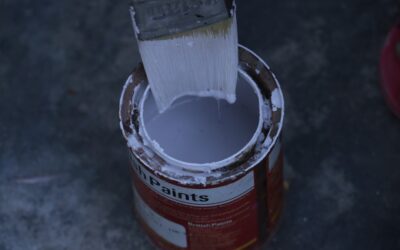
That half-used can of wall paint in your basement might still be perfectly usable, or it might be a stinking, lumpy waste of storage space. So how long is paint good for after opening really? The honest answer depends on the type of paint and how you stored it. A properly sealed can of latex paint can last two to ten years, while oil-based and alkyd paints often stay usable for up to fifteen years. The seal, the temperature, and the amount of air left in the can make all the difference between a usable touch-up and a ruined batch.
Part of our Paint & Walls guide — explore the full guide →
This guide breaks down realistic shelf lives by paint type, the signs that paint has gone bad, and how to store leftovers so they last as long as possible.
Shelf Life by Paint Type
Different paint chemistries age at very different rates. Here’s a realistic breakdown for opened, resealed cans stored well:
- Latex and acrylic (water-based): 2 to 10 years. The most common house paint, but the most sensitive to freezing and contamination.
- Oil-based and alkyd: Up to 15 years. The solvent base resists spoilage longer than water-based formulas.
- Chalk paint: 1 to 5 years, since it dries out and thickens faster.
- Milk paint (mixed): 1 to 7 days once mixed with water; it’s a perishable powder until then.
- Primer: Similar to its base type, typically 2 to 10 years for water-based.
These ranges assume the can was resealed tightly and stored in a cool, dry place. A can left half-open in a hot garage may spoil in a single season.
Why Opened Paint Goes Bad
Once you crack the lid, three enemies start working against your paint. Air introduces oxygen that causes a skin to form and the paint to thicken. Temperature swings, especially freezing, break the emulsion in latex paint so it can’t recombine. And contamination from a dirty brush or stir stick introduces bacteria that turn water-based paint sour and moldy.
The more air left in the can, the faster it degrades. A nearly full, well-sealed can lasts far longer than a quarter-full one with a loose lid, because there’s less oxygen sitting on the paint surface.
Signs Your Paint Has Spoiled
Before you brush old paint onto a wall, inspect it carefully. Several clear signs tell you it’s done:
- Foul, sour, or rancid smell: A rotten or mildewy odor means bacteria have taken hold. This paint is unusable.
- Mold: Fuzzy spots on the surface mean it’s contaminated.
- Won’t remix: If you stir thoroughly and lumps or chunks remain that won’t blend smooth, the emulsion has broken.
- Rust flakes: Rust from the can lid mixed into the paint will mar your finish.
- Thick, rubbery, or separated permanently: A skin on top is normal and removable, but paint that’s dried solid or stays curdled after stirring is gone.
A skin on the surface alone isn’t a death sentence. Peel it off, stir the paint, and if it returns to a smooth, even consistency with a normal smell, it’s still good.
How to Test Old Paint Before Using It
When you’re unsure, run a quick test. Pry off the lid, remove any skin, and stir for several minutes with a clean stir stick, scraping the bottom to lift settled pigment. The paint should blend into a smooth, lump-free liquid. Then brush a test patch onto cardboard or scrap drywall.
If it spreads evenly, dries to a consistent finish, and doesn’t smell off, you’re clear to use it. If it goes on gritty, streaky, or stays tacky, retire it. Straining questionable paint through a paint strainer or old nylon stocking can rescue a batch with minor lumps but otherwise sound paint.
How to Store Paint So It Lasts
Good storage doubles or triples shelf life. Follow these practices when you put leftover paint away:
- Seal the lid tight: Lay a piece of plastic wrap over the opening, then tap the lid down evenly with a rubber mallet, not a hammer, which bends the rim.
- Store cans upside down: This creates an airtight seal at the lid, blocking oxygen from reaching the paint surface.
- Keep it cool and stable: Aim for 50 to 70°F. Avoid garages and sheds that freeze in winter or bake in summer.
- Never let latex freeze: Freezing permanently ruins water-based paint.
- Transfer small amounts: Pour leftover paint into a smaller airtight jar so less air sits on top.
Disposing of Bad Paint Responsibly
When paint is truly spoiled, don’t pour it down a drain or toss a liquid can in the trash. For latex paint, stir in a hardener, cat litter, or sawdust until it solidifies, then dispose of the dried can per local rules. Oil-based paint is considered hazardous waste in most areas and must go to a household hazardous waste collection site.
Many home centers and recycling programs accept leftover paint through programs like PaintCare. Check whether your state participates before throwing usable paint away.
Does Specialty Paint Last Differently?
Beyond standard wall paint, specialty products follow their own rules. Spray paint in aerosol cans lasts two to ten years if the nozzle doesn’t clog, though the propellant can lose pressure over time. Exterior paints generally match interior latex shelf life but degrade faster if stored in a freezing or baking shed.
Two-part products like epoxy floor coatings and automotive paints have a short pot life once mixed, often just a few hours, and can’t be saved. The base components, stored separately and sealed, last much longer. Stains and varnishes, being oil or solvent based, tend toward the longer end, often staying usable for many years if sealed tight.
Buying the Right Amount to Reduce Waste
The best way to avoid the shelf-life question entirely is to buy closer to what you need. A gallon covers roughly 350 to 400 square feet in one coat, so measure your walls and calculate before you over-order. Most projects need two coats, which halves that coverage.
That said, keeping a small amount for touch-ups is wise, since exact color matching later can be tricky even with the formula on file. Transfer a cup or two of leftover paint into a sealed mason jar, label it with the room, color name, and date, and you’ll have a perfectly preserved touch-up supply for years.
The Bottom Line on Paint Shelf Life
Opened paint isn’t on a strict expiration clock; its life depends almost entirely on storage. Sealed tightly and kept cool, latex paint reliably lasts several years and oil-based paint over a decade. Before any touch-up, give the can a sniff and a stir, test a patch, and trust your senses. Store leftovers upside down in a temperature-stable spot and you’ll keep that perfect color match ready for years of future repairs.