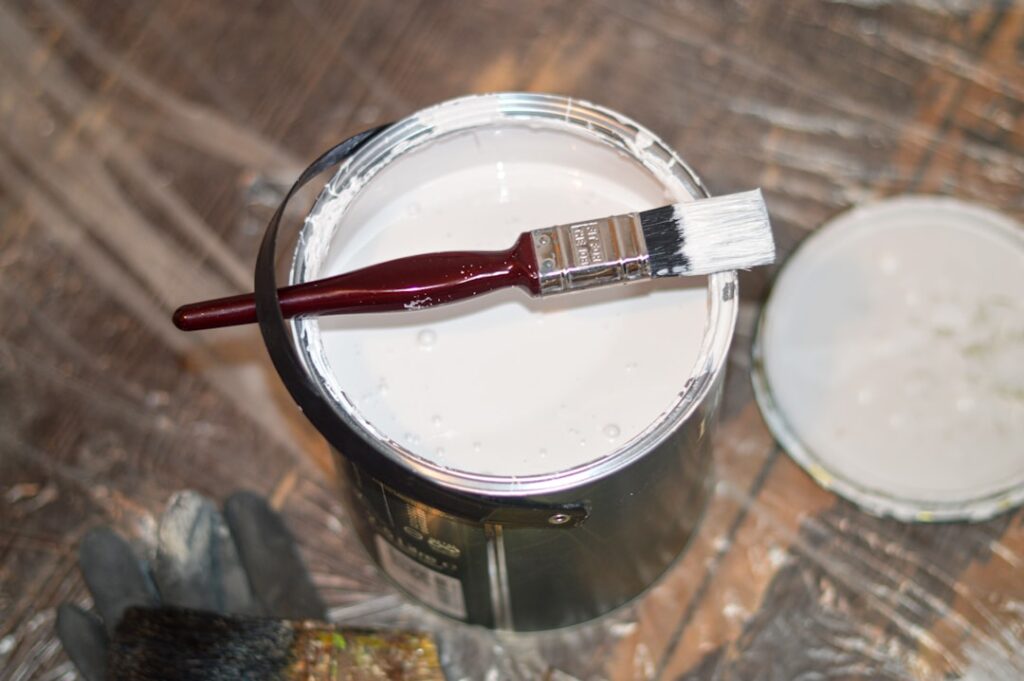
If you are wondering how much does one gallon of paint cover, the standard answer is about 350 to 400 square feet per coat on a smooth, primed surface. That is roughly the area of an average bedroom’s four walls. But that number is a starting point, not a guarantee, because surface texture, color changes, the number of coats, and even your application method can swing the real-world coverage by 100 square feet or more in either direction. Knowing how to adjust the estimate is what keeps you from a second trip to the store, or from a closet full of leftover cans.
Part of our Paint & Walls guide — explore the full guide →
The Standard Coverage Number
Most interior wall paints list a spread rate of 350 to 400 square feet per gallon on the label. Manufacturers base this on a single coat applied to a properly prepared, smooth surface. As a quick rule of thumb, one gallon covers an average small bedroom in one coat, and two gallons cover a typical living room. Because most jobs need two coats, plan on the gallon covering roughly 175 to 200 square feet of wall when you account for the second pass.
What Changes the Coverage
Several factors push the real coverage above or below the label estimate:
- Surface texture: Smooth drywall drinks the least paint. Textured walls, stucco, brick, and popcorn ceilings have far more surface area, sometimes cutting coverage to 250 square feet per gallon or less.
- Porosity: New, unprimed drywall and bare wood soak up paint, reducing coverage. Priming first restores it.
- Color change: Going from dark to light, or covering a bold color, usually demands extra coats.
- Paint quality: Premium paints have higher solids content and often cover better in fewer coats than budget paints.
- Application method: Spraying lays down more paint and wastes more in overspray than rolling, lowering effective coverage.
How to Calculate Paint for a Room
You do not need to guess. Use this simple process:
- Measure the walls. Add the length of all walls, then multiply by the ceiling height to get total wall area in square feet. For example, a 12 by 12 room with 8-foot ceilings has a perimeter of 48 feet, times 8 equals 384 square feet.
- Subtract openings. Deduct about 20 square feet for each standard door and 15 square feet for each window.
- Divide by coverage. Take your net wall area and divide by 350 to find gallons per coat. The 384-square-foot room above needs just over one gallon per coat.
- Multiply by coats. Two coats double the total. Always round up to the next full gallon.
Coverage by Surface Type
Here is roughly what to expect per gallon, per coat:
- Smooth primed drywall: 350 to 400 square feet.
- New, unprimed drywall: 250 to 300 square feet because of absorption.
- Lightly textured walls: 300 to 350 square feet.
- Heavily textured or stucco: 200 to 250 square feet.
- Smooth wood trim and doors: 350 to 400 square feet, though trim is usually measured in linear feet.
- Bare masonry or brick: 150 to 200 square feet, with a masonry primer strongly recommended first.
Why Two Coats Is the Norm
A single coat rarely delivers an even, durable finish. The first coat soaks in and establishes color, while the second builds film thickness, evens out the sheen, and hides roller marks and underlying color. Skipping the second coat to save paint usually backfires as flashing, patchiness, and premature wear. Budget two coats for nearly every interior job, and three when covering a drastic color change or painting a bright accent color, which often has less hiding power.
Primer Changes the Math
Primer is its own product with its own coverage, generally 200 to 350 square feet per gallon. Priming new drywall, patched repairs, stained areas, or dramatic color changes seals the surface so your finish paint covers at its full rated rate and in fewer coats. The paint you save and the better result usually justify the extra step. Paint-and-primer-in-one products help on repaints over similar colors but are not a substitute for dedicated primer on bare or problem surfaces.
Don’t Forget Ceilings and Trim
Ceilings use roughly the same 350 to 400 square feet per gallon as walls, so multiply room length by width to get the area. A 12 by 12 ceiling is 144 square feet, well within one gallon, though textured ceilings cut that figure. Trim, doors, and baseboards are easier to estimate by experience than by precise math, but a quart of trim paint typically handles the doors and baseboards of an average room, and a gallon covers several rooms’ worth of trim.
Common Estimating Mistakes
- Forgetting the second coat. The most frequent reason people run short.
- Ignoring texture. Textured walls can need 30 to 40 percent more paint than the label suggests.
- Not priming bare surfaces. Unprimed drywall and wood drink paint and waste a coat.
- Underestimating color changes. Reds, deep blues, and bright yellows often need three coats.
- Buying exactly enough. Always add about 10 percent for touch-ups and so the can colors all match the same batch.
How Much to Buy
For most single rooms, plan on two gallons: roughly one gallon per coat for an average bedroom or office, doubled for two coats. Larger living areas may need three to four gallons. Buy slightly more than the calculation suggests and keep the leftover, sealed and labeled, for touch-ups, since matching paint later is never perfect. A small surplus is far cheaper than running out mid-wall and waiting on a fresh, possibly mismatched batch.
The Bottom Line
One gallon of paint covers about 350 to 400 square feet per coat on smooth, primed walls, but real coverage depends on texture, porosity, color, and the number of coats you apply. Measure your walls, subtract doors and windows, divide by the coverage rate, multiply by your number of coats, and add a margin for safety. With that simple calculation you will buy the right amount, finish the job in one trip, and have enough left for touch-ups. D and G Flooring publishes these practical homeowner guides to help you plan paint and renovation projects with confidence.