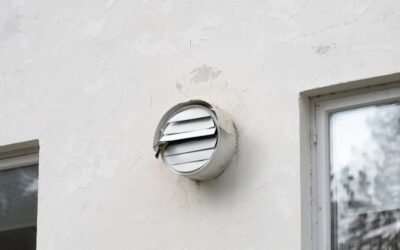
Clogged dryer vents cause an estimated 2,900 house fires every year in the United States, according to the National Fire Protection Association. Learning how to clean a dryer vent is not just a maintenance task — it is a safety essential that every homeowner should handle at least once a year. A blocked vent also forces your dryer to work harder, adding $18 to $25 per month to your energy bill and cutting the appliance’s lifespan in half.
Warning Signs of a Clogged Dryer Vent
Lint buildup happens gradually, so most homeowners do not notice the problem until performance drops significantly. Watch for these red flags:
- Clothes take more than one cycle to dry completely
- The dryer feels excessively hot to the touch during operation
- A burning smell when the dryer is running
- The laundry room feels unusually humid or warm
- Lint visible around the outside vent flap or on the ground beneath it
- The vent flap does not open when the dryer is on (indicating zero airflow)
- It has been more than 12 months since the last cleaning
Any of these signs means the vent needs immediate attention. A burning smell is the most urgent — shut the dryer off, unplug it, and inspect the vent before running it again.
Tools You Need
You can clean most residential dryer vents with a basic kit that costs $20 to $40. Professional-grade equipment is available but unnecessary for annual homeowner maintenance.
- Dryer vent cleaning kit: A flexible brush with extension rods that connect to a power drill. The Holikme or Sealegend kits ($15 to $25 on Amazon) include 12 to 20 feet of flexible rods and an auger-style brush head
- Cordless drill: Powers the rotating brush through the vent duct
- Vacuum with hose attachment: Cleans up loose lint from inside the dryer cabinet and around the vent connection
- Screwdriver or nut driver: To remove the vent clamp connecting the dryer to the wall duct
- Flashlight: For inspecting inside the vent duct
For vents longer than 20 feet or with multiple bends, consider renting a professional rotary brush system from a home improvement store ($30 to $50 per day). These kits have stiffer rods that navigate 90-degree turns better than consumer-grade flexible rods.
Step-by-Step Cleaning Process
- Unplug the dryer (electric) or turn off the gas valve (gas dryer). Pull the dryer away from the wall far enough to access the vent connection on the back
- Disconnect the vent hose from the dryer exhaust port by loosening the hose clamp with a screwdriver. Also disconnect the hose from the wall duct if accessible
- Clean the short transition hose. This flexible or semi-rigid duct between the dryer and wall collects the most lint. Shake it out, vacuum inside it, and inspect for tears or crushing. Replace foil or vinyl hoses with rigid or semi-rigid aluminum duct, which is safer and collects less lint
- Clean the wall duct from inside. Insert the brush head into the wall duct opening and attach it to your drill. Run the drill on low speed and feed the brush through the duct, adding extension rods as needed. Pull the brush out slowly to drag lint with it
- Clean from the exterior vent. Go outside, remove the vent cover or flap, and run the brush in from the outside as well. This catches lint that the interior pass pushed toward the exit
- Vacuum all loose lint from the dryer exhaust port, the wall duct opening, and the area behind the dryer
- Reassemble everything. Reconnect the transition hose with proper clamps, push the dryer back into position, and restore power
- Run a test cycle on high heat with no clothes for 10 to 15 minutes. Go outside and confirm strong airflow from the exterior vent
Cleaning the Lint Trap Housing
Everyone cleans the lint screen before each load, but almost nobody cleans the housing that the screen slides into. Over time, a film of fabric softener residue and fine lint coats the inside of the housing, reducing airflow even when the screen looks clean.
Remove the lint screen and use a long, narrow brush (a dryer lint trap brush costs $5 to $8) to sweep out the slot. Vacuum any lint that the brush loosens. Wash the lint screen itself with warm soapy water and a soft brush every 3 months to remove the invisible residue from dryer sheets. Hold the screen under running water — if water pools on the mesh instead of flowing through, residue is blocking airflow. Let it air dry completely before reinserting.
How Often to Clean Your Dryer Vent
The standard recommendation is once per year for most households. However, several factors increase the frequency:
- Large families running 8+ loads per week: Clean every 6 months
- Long vent runs over 15 feet or with multiple 90-degree bends: Clean every 6 to 9 months
- Pets in the home: Pet hair clogs vents faster than human laundry alone. Clean every 6 to 9 months
- Flexible vinyl or foil vent hoses: These ribbed hoses trap lint in their ridges. Replace with smooth rigid duct and clean annually
- Dryer on an interior wall: Longer duct runs to reach an exterior wall mean more surface area for lint accumulation
Mark the date of each cleaning on a piece of tape stuck to the dryer or set a calendar reminder. Consistency is the key to preventing dangerous buildup.
Professional Cleaning vs. DIY
Professional dryer vent cleaning costs $100 to $200 and includes a full inspection with specialized video cameras in some cases. Hiring a pro makes sense when the vent run is longer than 25 feet, has more than two 90-degree turns, or routes through a difficult path like a wall cavity or ceiling chase.
For straight or single-bend runs under 20 feet, DIY cleaning with a $20 brush kit does an equally thorough job. The rotating brush technique removes the same lint that a professional’s equipment would. Where professionals add value is in identifying crushed ducts, disconnected joints inside walls, or code violations like vents that terminate in an attic instead of exiting the building. If your dryer still takes too long to dry clothes after a thorough DIY cleaning, a professional inspection can find hidden problems.
Preventing Future Buildup
Good habits between cleanings keep lint accumulation to a minimum and extend the time between deep cleans.
- Clean the lint screen before every single load — no exceptions
- Use rigid aluminum duct instead of flexible foil or vinyl. Smooth walls collect 60% to 70% less lint than ridged hoses
- Keep vent runs as short and straight as possible. Every 90-degree bend is equivalent to adding 5 feet of vent length in terms of airflow restriction
- Do not overload the dryer. Overpacked loads generate more lint and restrict airflow inside the drum
- Reduce or eliminate dryer sheet use. Liquid fabric softener produces less residue on the lint screen and vent walls
- Inspect the exterior vent flap periodically. Bird nests, wasp nests, and snow accumulation can block the exit completely
A clean dryer vent dries clothes 25% to 50% faster, lowers your energy bill, and eliminates the most common cause of residential dryer fires. Thirty minutes of maintenance once or twice a year is a small investment for that level of safety and savings.