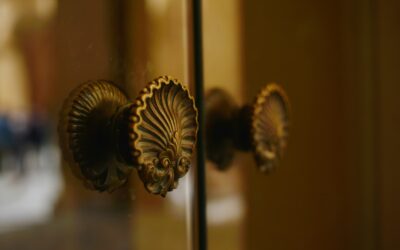
Brass hardware turns dingy fast. Skin oils, dust, and humidity oxidize the surface, dulling that warm golden glow within months of installation. Knowing how to clean brass door knobs safely depends on one critical question: is the brass lacquered or unlacquered? Using the wrong cleaner can strip a factory finish, etch the metal permanently, or accelerate tarnishing. This guide covers both types with pantry-tested methods that actually restore shine.
Part of our Windows & Doors guide — explore the full guide →
First, Identify What You Are Cleaning
Most modern brass hardware sold at big-box stores is lacquered — coated with a clear polyurethane or epoxy finish that prevents tarnishing. Genuine unlacquered brass from premium hardware lines (Rocky Mountain, Rejuvenation, House of Antique Hardware) is increasingly popular but requires different care.
A quick test: dab a hidden spot with a cotton swab dipped in white vinegar. On lacquered brass, the vinegar does nothing. On unlacquered brass, the vinegar will brighten a small area within 30 seconds. Plated brass (cheap zinc or steel with a thin brass coating) often shows pitting or peeling on close inspection.
Cleaning Lacquered Brass
Lacquered finishes are durable but easy to damage with aggressive cleaners. Never use vinegar, lemon juice, salt scrubs, or commercial brass polishes like Brasso on lacquered hardware. These products dissolve or scratch the clear coat, exposing the brass underneath, which will then tarnish in random uneven patches.
For routine cleaning, use the gentlest approach:
- Mix one cup of warm water with two drops of mild dish soap
- Dip a microfiber cloth in the solution and wring nearly dry
- Wipe each knob, paying attention to grooves and around the rosette
- Dry immediately with a clean microfiber to prevent water spots
For sticky residue or fingerprint buildup, isopropyl alcohol (70 percent) on a microfiber removes the gunk without dissolving lacquer. Test in a hidden spot first.
Cleaning Unlacquered Brass
Unlacquered brass tarnishes — that is the entire point. Owners of antique or premium unlacquered hardware are typically split into two camps: those who polish frequently to maintain shine, and those who let the patina develop into a rich aged-amber color over years.
If you want to maintain shine, three pantry methods work well.
Method 1: Lemon and Salt
Cut a lemon in half, sprinkle the cut face with table salt, and rub the knob in circular motions. The citric acid dissolves oxidation while the salt provides gentle abrasion. Rinse with warm water, dry with a soft cloth, and buff with a microfiber. Total time per knob: about 90 seconds.
Method 2: White Vinegar Paste
Mix equal parts white vinegar, flour, and salt into a paste. Spread on the knob, let sit for 10 minutes, then rub with a soft cloth and rinse thoroughly. Works on heavily tarnished pieces that the lemon method cannot touch.
Method 3: Ketchup
It sounds like a joke, but the acetic acid and tomato acid in ketchup do dissolve brass tarnish. Apply a teaspoon to a soft cloth, rub the knob, let sit two minutes, then rinse. Best for emergencies when you have no vinegar or lemons.
Heavy Tarnish: Commercial Polishes
For severely oxidized unlacquered brass, commercial polishes work faster than pantry methods. Top performers:
- Brasso ($5 per bottle) — the classic. Apply with a cotton ball, buff with a clean cloth. Mildly abrasive.
- Bar Keepers Friend Polish & Soft Cleanser ($4) — gentler than Brasso, works on brass and other metals.
- Wright’s Brass Cream ($6) — designed specifically for brass, less abrasive than Brasso.
- Flitz Metal Polish ($10) — premium option, leaves a slight protective coating that delays re-tarnishing.
Wear nitrile gloves. Polish dirties your hands quickly and the chemicals are mildly irritating. Apply small amounts and work in circles, then buff with a clean microfiber to a high shine.
Removing Brass Hardware for Deep Cleaning
For badly tarnished or layered-paint-on-brass knobs, removing the hardware completely makes deep cleaning easier and more effective. Two screws on the rosette typically hold each knob set in place.
Once removed, soak knobs in a 1:1 mix of white vinegar and warm water for 15 to 30 minutes. The acid loosens decades of grime, paint flecks, and oxidation. Scrub with an old soft toothbrush, paying attention to detailed castings. Rinse, dry thoroughly (water trapped inside antique mechanisms causes corrosion), and reassemble.
For brass painted over by previous owners, soak in a paint stripper like Citristrip for 1 to 4 hours before vinegar bath. Use gloves and ventilate the workspace.
Protecting Your Work
After cleaning unlacquered brass, you have two choices: embrace re-tarnishing as part of the look, or apply a thin coat of microcrystalline wax (Renaissance Wax is the museum-grade standard at $25 per tin) to slow oxidation. A single application lasts six months to a year on door hardware.
Avoid applying clear lacquer in spray cans to unlacquered brass at home. The finish almost always shows brush or spray marks and chips unevenly, looking worse than untreated brass within a year.
How Often to Clean
Lacquered brass needs only routine wiping every two to four weeks — enough to remove skin oils that can eventually compromise the lacquer at high-touch spots. Polish lacquered brass aggressively only once you decide to strip the lacquer entirely and switch to unlacquered care.
Unlacquered brass that you want to keep shiny needs polishing every two to six weeks depending on humidity and traffic. Front door knobs tarnish fastest from outdoor exposure; interior bedroom knobs slowest.
Mistakes That Damage Brass Permanently
A few cleaning approaches cause real harm and should be avoided entirely:
- Steel wool or stainless scrubbers — embed metal particles that rust and scratch the finish
- Bleach or ammonia — strip lacquer and pit brass
- Dishwashers — heat and detergent destroy lacquer and antique mechanisms
- Abrasive cleansers like Comet or Ajax — scratch all but the most worn brass
- Soaking lacquered brass in any acid — even brief soaks dissolve the clear coat