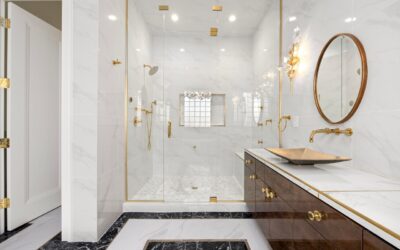
A brass farmhouse sink looks bright and golden on install day, and within weeks it starts to change. Water spots dull the surface, acidic foods leave pale marks, and the warm yellow slowly deepens toward brown. That shift is not a defect. It is the whole point of a living finish, and understanding it before you buy is the difference between loving the sink and fighting it every evening with polish.
The quick version: unlacquered solid brass will patina and needs acceptance or regular polishing. Lacquered brass stays shiny until the coating wears or gets scratched. PVD coated gold farmhouse sinks, usually stainless steel with a brass-toned surface, hold their color with ordinary cleaning but can be stripped by abrasives. Pick the version that matches how much maintenance you want, then follow the care rules that suit that finish.
- Brass Farmhouse Sink Types: Solid, Lacquered and PVD
- Patina vs Polish: Choosing Your Maintenance Level
- Daily Care That Protects the Finish
- Cleaners That Strip or Damage the Finish
- How to Polish Unlacquered Brass Safely
- Solid Brass vs PVD: What You Are Actually Buying
- Installation Notes
- Real Cost Ranges
- Troubleshooting Brass Sink Problems
- Frequently Asked Questions
Brass Farmhouse Sink Types: Solid, Lacquered and PVD
Several very different products get sold under the same name, and they behave nothing alike. Knowing which one you are looking at matters more than the exact shade.
Unlacquered Solid Brass
An unlacquered brass sink is bare metal, typically an alloy of copper and zinc. It reacts with water, air, food acids and skin oils, forming a patina that ranges from soft honey to deep bronze with occasional darker spotting. Many owners love the aged, old-world look. It is also self-healing in a sense: scratches blend into the patina over time rather than standing out.
Lacquered Solid Brass
The metal is the same, but a clear protective coat locks in the polished color. It stays bright with gentle washing. The weak point is the coating itself: once it scratches or wears near the drain, the exposed brass underneath darkens while the rest stays shiny, producing a patchy look. Recoating usually means stripping and refinishing the entire sink.
PVD Coated Gold Tone
Physical vapor deposition bonds a thin, very hard layer of metal compound to a base, usually stainless steel. The result is a brushed brass or gold farmhouse sink finish that does not tarnish or patina. It resists everyday scuffs well, but abrasive pads and harsh cleaners can wear through it, and deep scratches reveal silver steel underneath that cannot be touched up at home.
Brushed vs Polished
Both solid and PVD brass come in brushed (satin) and polished surfaces. Brushed brass hides water spots and fine scratches much better. Polished brass looks dramatic but shows every fingerprint.
Patina vs Polish: Choosing Your Maintenance Level
Before choosing an unlacquered brass sink, decide honestly which camp you are in.
- Patina lovers rinse, wipe dry and let the metal age. Maintenance is minimal. Expect uneven color at first, which evens out over months of use.
- Polish keepers want the bright look. They will need to polish every few weeks to monthly, and more often in a heavy-use kitchen. A brass sink never stays polished on its own.
- Low maintenance seekers should skip bare brass entirely and choose PVD, which keeps its tone with soap and water.
There is also a middle path. Some owners let the basin patina naturally while polishing only the visible apron, which is the part guests actually notice.
Daily Care That Protects the Finish
Regardless of finish type, a few habits make a big difference:
- Rinse the sink after each use, especially after acidic foods such as tomatoes, citrus, vinegar and wine.
- Wash with warm water and a mild pH-neutral dish soap on a soft cloth or sponge.
- Dry with a microfiber towel. Standing water leaves mineral rings, particularly in hard water areas.
- Use a bottom grid with rubber feet (in stainless or coated wire) to keep heavy pots from scratching the floor of the basin.
- Do not leave rubber mats, wet sponges or cast iron pans sitting in the sink. Trapped moisture causes dark blotches on bare brass and staining on coated finishes.
For unlacquered brass, an occasional thin coat of food-safe paste wax slows patina and makes water bead off. Reapply every month or two.
Cleaners That Strip or Damage the Finish
This is where most brass sink problems start. Common kitchen cleaners can ruin a lacquered or PVD surface in a single use.
- Abrasive powders and scouring pads: Steel wool, green scrub pads and gritty powders scratch lacquer and wear through PVD. Avoid them on every finish except bare brass you intend to polish.
- Bleach and chlorine cleaners: Chlorine can etch and spot brass and may cloud lacquer. Keep bleach solutions out of the sink.
- Ammonia based glass cleaners: These can discolor brass and soften some lacquers.
- Drain openers: Caustic drain chemicals can pit bare metal and strip coatings around the drain. Use a plunger or drain snake instead.
- Metal polish on coated sinks: Brass polish is mildly abrasive. Using it on lacquered or PVD finishes removes the coating you paid for.
A quick rule works well: if the sink is coated, treat it like the paint on a car. Soft cloth, mild soap, no grit.
How to Polish Unlacquered Brass Safely
When you want the bright color back on bare brass, work in stages.
- Clean the sink with dish soap and dry it completely.
- For light tarnish, a paste of lemon juice and baking soda, or a commercial brass polish, applied with a soft cloth in the direction of the grain on brushed finishes.
- Work small sections, then rinse well. Leftover acid keeps reacting with the metal and can leave pink or blotchy spots.
- Dry and buff with a clean microfiber cloth.
- Apply paste wax if you want to slow the return of patina.
Commercial polishes contain solvents and mild acids. Open a window or run the range hood, wear nitrile gloves and eye protection, and follow the label for ventilation or respirator guidance. Never mix polish with bleach, ammonia or other cleaners, since combining chemicals can release harmful fumes. Keep solvent based products away from gas range pilot lights and other ignition sources, and store rags flat to dry before disposal.
Solid Brass vs PVD: What You Are Actually Buying
| Feature | Solid Brass | PVD Gold Tone |
|---|---|---|
| Color change | Patinas unless lacquered | Stable color |
| Scratch repair | Can be buffed out | Not repairable at home |
| Weight | Heavy | Similar to stainless |
| Cleaner tolerance | Moderate | Mild products only |
| Price | Higher | Moderate |
Ask sellers directly whether a sink is solid brass, brass plated, or PVD coated. Listing titles often say brass when the product is a gold-tone coating over stainless steel. A magnet can help: solid brass is not magnetic, while many stainless steel bases (particularly 400 series) attract a magnet. Some 300 series stainless is only faintly magnetic, so treat this as a hint rather than proof.
Brass sinks from some makers may contain small amounts of lead in the alloy. Look for products certified as lead-free for potable water contact if the sink will see food prep and drinking water.
Installation Notes
A brass apron sink installs like any other farmhouse sink: a notched base cabinet, a support frame of ledger rails and a cross platform, and a countertop templated with the sink in place. Solid brass is heavier than stainless, so build the frame for the weight listed on the spec sheet.
Pay attention to the drain and faucet. Mixing metals is fine, but a brass sink with a chrome drain can look unfinished. Most buyers choose a matching brass or gold-tone basket strainer and disposal flange. Use silicone rated for kitchen use around the rim, and avoid acid-cure silicones that release vinegar-like fumes, which can spot bare brass as they cure.
Real Cost Ranges
General ranges for a single bowl 30 to 36 inch sink:
- PVD gold-tone stainless apron sinks: roughly $400 to $1,200
- Lacquered solid brass: roughly $1,200 to $3,000
- Handcrafted unlacquered solid brass: roughly $2,000 to $5,000 or more
- Matching brass faucet: $250 to $1,000 for mid-range, more for designer models
- Installation with cabinet modification and plumbing: several hundred to over a thousand dollars depending on countertop work
Factor in finish upkeep too. Brass polish and wax are cheap, but professional refinishing of a worn lacquered sink can cost a few hundred dollars and requires removal.
Troubleshooting Brass Sink Problems
Dark spots after cooking: Acid contact on bare brass. Polish the area or let it blend in over time.
Green or blue residue: Verdigris from prolonged moisture. Clean with a mild acid paste, rinse well and keep the sink drier.
Cloudy patches on lacquer: Usually harsh cleaner damage. Minor cloudiness may improve with mild soap. Widespread damage means stripping and refinishing.
Silver showing through: The PVD layer has worn through. Contact the maker about warranty coverage; home touch-up paints rarely match.
Frequently Asked Questions
Does a brass farmhouse sink tarnish?
Unlacquered solid brass tarnishes and develops a patina over time. Lacquered brass stays bright until the coating wears, and PVD gold-tone finishes resist tarnish with normal care.
What is the best way to clean a brass farm sink?
Use warm water, mild dish soap and a soft cloth, then dry with microfiber. Skip abrasive pads, bleach, ammonia and drain openers, which can damage coatings and bare metal.
Is a gold farmhouse sink real brass?
Often not. Many gold farmhouse sinks are stainless steel with a PVD coating. Ask the seller directly and look for the words solid brass on the specification sheet.
Can you restore the shine on unlacquered brass?
Yes. Brass polish or a lemon juice and baking soda paste restores shine. Rinse thoroughly, dry and apply paste wax to slow future tarnish.
Is a brass sink worth the cost?
It is worth it if you enjoy a living finish or are prepared to polish regularly. If you want a fixed color with minimal upkeep, a PVD gold-tone sink gives the look at a lower price.