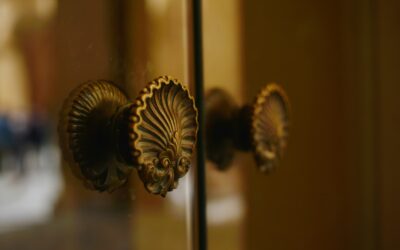
Unlacquered brass knobs leave the factory bright and golden, and within weeks they start to change. Fingertips, cooking steam and plain air all react with the bare metal, and the knobs slowly turn a deeper amber, then brown, with lighter spots where hands touch most. That shift is exactly why people choose them. Brass without a clear coat is called a living finish because it keeps evolving for as long as you own it.
If you want hardware that looks the same in ten years as it does today, lacquered brass or a plated finish is the better match. If you like the idea of a kitchen or bath that gains character, unlacquered brass rewards you with a warm, uneven patina that no factory finish copies well. You can also control the pace: speed it up with simple treatments, or polish it back to bright whenever you like.
- What Unlacquered Brass Knobs Are
- How Patina Develops Over Time
- Unlacquered vs Lacquered Brass
- How to Speed Up the Patina
- How to Reverse It or Keep It Bright
- Daily Care and Maintenance
- Troubleshooting Uneven or Unwanted Patina
- Cost and Buying Tips
- Where Unlacquered Brass Works Best
- Frequently Asked Questions
What Unlacquered Brass Knobs Are
Brass is an alloy of copper and zinc. Most hardware sold as brass is either solid brass with a clear lacquer coat, solid brass with no coating, or a cheaper metal plated with a thin brass layer. Unlacquered brass knobs are solid brass left bare, so the copper in the alloy reacts with oxygen, moisture, skin oils and household chemicals.
That reaction forms a thin oxide layer called patina. It is not rust and it does not weaken the knob. In fact, the patina slows further change, so the surface darkens quickly at first and then settles. The same material is used for unlacquered brass appliance pulls, faucets, lighting and door hardware, and all of it ages in a similar way.
Be careful with labels. Some products are called aged brass, antique brass or satin brass and are actually lacquered over a factory-applied darkening. Those will not keep changing. If the product description does not clearly say unlacquered or living finish, ask the seller.
How Patina Develops Over Time
The timeline depends on how much the hardware is handled and the room’s humidity. A rough pattern looks like this:
- First few weeks: the bright polished shine dulls slightly. Fingerprints appear as faint marks.
- Two to six months: the metal turns a warmer gold with visible darker areas, especially on the edges and underside.
- Six months to two years: a deeper bronze or brown tone takes over, with lighter, burnished spots where hands grip most often.
- Several years: the finish becomes a rich, uneven brown that changes slowly from there.
Kitchens and bathrooms move faster because of steam, heat and cleaning products. A knob on a guest bedroom dresser that is rarely touched may stay fairly bright for a long time. Coastal air and hard water can add a slight green or spotted tone in places, which some people like and others polish away.
Unlacquered vs Lacquered Brass
| Feature | Unlacquered brass | Lacquered brass |
|---|---|---|
| Appearance over time | Darkens to a warm patina | Stays the same until the coating fails |
| Maintenance | Optional polish or wax | Gentle cleaning only |
| When scratched | Scratches blend in as patina grows | Scratches can let tarnish creep under the lacquer |
| Reversibility | Polish back to bright any time | Must strip lacquer to change the look |
Lacquer eventually wears, especially on high-touch knobs. When it chips, tarnish forms in blotches under and around the damaged coating, which can look worse than an even patina. That is one reason many designers choose bare brass for hardware that gets handled every day.
How to Speed Up the Patina
If you want an aged look now instead of in two years, several household methods work. Always test on one knob before treating a full set, and remove knobs from the cabinets first so nothing splashes on wood or paint.
- Degrease. Wash knobs in warm soapy water and dry them. Factory oils or fingerprints cause uneven results.
- Vinegar and salt fuming. Place knobs on a small rack inside a sealed container with a shallow dish of white vinegar mixed with salt. Leave overnight and check. The fumes darken the metal gradually.
- Hard-boiled egg method. Seal knobs in a container with a freshly cooked, chopped egg. Sulfur from the yolk darkens brass within hours to a day.
- Commercial brass darkening solution. These products work fast, often within minutes. Dip or brush on, then rinse thoroughly.
- Rinse, dry and buff. Stop the reaction with clean water, dry completely, and lightly rub high points with a soft cloth to highlight edges.
Commercial darkening solutions contain strong chemicals. Work in a ventilated area or outdoors, wear chemical-resistant gloves and eye protection, follow the label on respirator use, and never mix darkening products with ammonia, bleach or other cleaners. Keep them away from children, pets and food prep surfaces, and dispose of leftover solution as the label directs.
How to Reverse It or Keep It Bright
You can bring unlacquered brass back to a shine whenever you want. A non-abrasive brass polish on a soft cloth removes light patina. For heavier darkening, a paste of lemon juice and baking soda, or vinegar with a little salt and flour, lifts tarnish; rub gently, rinse well and dry right away. Avoid steel wool or scouring pads, which leave scratches that catch grime.
To slow the process without sealing the metal permanently, apply a thin coat of paste wax or a specialty metal wax after polishing. It will need renewing every few months on busy knobs. If you want to stop aging completely, a spray metal lacquer can be applied, but at that point the knobs are no longer living finish hardware.
Cleaning chemicals used on brass also need care. Ventilate the room, wear gloves, and do not combine cleaning products, since some combinations release harmful fumes.
Daily Care and Maintenance
Day to day, unlacquered brass needs very little. Wipe knobs with a damp cloth when they look grimy and dry them. Avoid harsh all-purpose sprays with bleach on the hardware, since they can leave streaks or spots that look different from the surrounding patina. In a kitchen, a quick wipe after cooking greasy food keeps the patina even rather than blotchy.
Expect some variation between knobs. The one on the trash pull-out or the most-used drawer will look different from the one on a rarely opened cabinet. Most owners like that variation, but if you want uniformity, a quick polish on the darkest pieces every few months evens out the set.
Troubleshooting Uneven or Unwanted Patina
Living finishes do not always age the way you picture. These are the most common surprises and how to handle them:
- Blotchy spots after cleaning: a cleaner with bleach or ammonia can leave dark or pale patches. Polish the knob to an even base, rinse, and let it age again, or even out the whole set with a light darkening treatment.
- Fingerprint marks on new knobs: these are normal in the first weeks. They fade into the overall tone as the patina builds. A quick polish removes them if they bother you.
- One knob far brighter than the rest: a replacement or rarely used knob will lag behind. Speed it up with a short vinegar fuming session, checking every hour or two.
- Green or white crust: heavy moisture, salt air or leftover cleaner residue can cause it. Scrub with warm soapy water and a soft brush, rinse, dry fully and apply a thin wax coat.
- Dark screws on bright knobs: screws are sometimes plated rather than solid brass. Replace them with solid brass screws so they age at the same pace.
If the patina looks wrong after any treatment, you have not ruined anything. Polish back to bright metal and start over. That flexibility is one of the biggest advantages of bare brass over coated finishes.
Cost and Buying Tips
Solid unlacquered brass costs more than plated or zinc alloy hardware because it uses more copper. Knobs often range from roughly ten to thirty dollars each or more for heavier, machined or designer pieces, and longer appliance pulls cost significantly more. A full kitchen with thirty pieces can add up to a few hundred dollars or more.
- Confirm the product is solid brass, not brass plated. A magnet should not stick to it.
- Check whether screws are included in brass or a matching finish.
- Order a sample knob before buying a full kitchen’s worth, and live with it for a few weeks.
- Buy one or two extras so future repairs match the same batch.
Where Unlacquered Brass Works Best
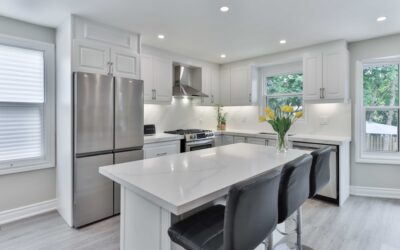
Unlacquered brass cabinet knobs look strong against deep green, navy, black or natural wood cabinets. They also pair well with marble, soapstone and butcher-block countertops, which age in their own ways. In a bathroom, bare brass works best where you are comfortable with faster darkening from steam. On furniture, they suit traditional dressers and campaign-style pieces. Mixing bare brass knobs with a lacquered brass faucet is fine as long as you accept that the two will drift apart in tone over time.
Frequently Asked Questions
How long does it take unlacquered brass to patina?
Visible change often starts within a few weeks, with a noticeably darker tone in two to six months. Humid kitchens and heavily used knobs age faster.
Can I make unlacquered brass shiny again?
Yes. A non-abrasive brass polish or a gentle homemade paste removes patina. Rinse and dry thoroughly afterward.
Does unlacquered brass turn green?
Usually it turns amber and brown. Green spots can appear with high humidity, salt air or harsh cleaners, and they polish off easily.
Is unlacquered brass hard to maintain?
No. If you like the patina, a damp cloth is all it needs. Maintenance only increases if you want to keep it bright.
How can I tell if brass knobs are lacquered?
Lacquered brass has a slightly glossy, even surface and does not change after handling. Unlacquered brass shows fingerprints quickly and darkens in weeks. When in doubt, ask the seller.