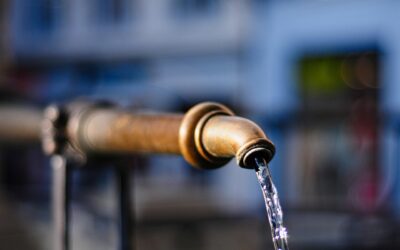
There is a reason old brownstones and grand hotels feel warm the moment you touch a doorknob, and it usually comes down to the metal. Unlacquered brass cabinet hardware is raw, uncoated solid brass left to react with air, oils from your hands, and moisture, so it darkens and mellows into a living patina no factory finish can fake. Where a lacquered or PVD pull stays frozen at the moment it left the plant, unlacquered brass keeps changing for the entire time you own it. That evolution is either the whole appeal or the dealbreaker, depending on your temperament.
Part of our Kitchen Remodeling guide — explore the full guide →
- What “Unlacquered” Really Means
- The Patina Timeline
- Where It Works and Where It Fights You
- Solid Brass vs. Brass-Plated
- What It Costs
- How to Care for It
- Coordinating With Faucets and Fixtures
- Choosing the Right Style and Weight
- Common Myths and Realities
- Is It Right for You?
- Unlacquered Brass Kitchen Hardware Beyond the Cabinets: Drawer Pulls, Faucets and Fixtures
What “Unlacquered” Really Means
Most brass hardware sold today wears a clear protective coating, either a sprayed lacquer or a modern physical vapor deposition layer, that seals the surface and locks in a bright, uniform shine. Unlacquered brass skips that step entirely. The bare alloy, typically around 85 percent copper and 15 percent zinc, is exposed to the world. Within weeks, high-touch spots polish themselves bright while recessed areas oxidize and deepen, producing a mottled contrast that reads as authentic and lived-in.
This is not a coating you can order in “aged” as a static color. Antique brass and satin brass finishes imitate the look but hold it still. Genuine unlacquered brass is a process, not a paint color, and that is the single most important thing to understand before you buy.
The Patina Timeline
Homeowners always ask how long it takes to look old, so here is a realistic arc based on a moderately used kitchen:
- Weeks 1 to 4: first cloudy spots appear, edges begin to warm from gold to amber
- Months 2 to 6: noticeable darkening in low-contact zones, fingerprints turn semi-permanent
- Year 1: the signature two-tone look sets in, bright where hands grab, deep bronze elsewhere
- Years 2 and beyond: a rich, complex brown-gold that reads as antique
Kitchens near a coast or with a gas range patina faster because salt air and combustion byproducts accelerate oxidation. A powder room used twice a week may take a full year to show what a busy kitchen shows in two months.
Where It Works and Where It Fights You
Unlacquered brass rewards spaces with character and punishes spaces that demand perfection. It sings in a traditional or English-inspired kitchen, on Shaker cabinetry, in butler’s pantries, and on furniture-style vanities. It struggles anywhere a homeowner expects the metal to stay identical to the showroom photo forever.
Think hard before installing it in a household that finds inconsistency stressful, or in a rental where tenants may polish it back to bright and undo the aging you paid for. Around a kitchen sink, the constant water and soap create fast, sometimes blotchy patina, which most enthusiasts love but some find messy.
Solid Brass vs. Brass-Plated
This distinction decides whether your hardware ages gracefully or fails outright. Solid brass is the same alloy all the way through, so as it patinas and even as it wears, it stays brass. Brass-plated hardware is a thin brass skin over a zinc or steel core, and once that skin wears at a grab point, the base metal shows through as a dull gray blotch that no polishing can fix.
Always verify solid brass before buying. A quick magnet test settles it: brass is non-magnetic, so if a magnet sticks, you are holding plated steel. Reputable makers that sell genuine solid unlacquered brass say so plainly on the spec sheet, so check the listed alloy and finish before you order.
What It Costs
Solid unlacquered brass sits at the premium end of cabinet hardware, and the reason is material weight and craftsmanship. Ballpark figures per piece:
- Simple knobs: $12 to $30 each
- Bar and cup pulls: $18 to $55 each
- Designer and hand-cast pieces: $60 to $150-plus each
A typical kitchen needs 30 to 40 pulls and knobs, so budget anywhere from $500 for value solid brass to well over $3,000 for a boutique line. Buy one sample piece first, live with it on a single drawer for a month, and confirm you actually enjoy watching it change before committing to the full set.
How to Care for It
The beauty of unlacquered brass is that “care” mostly means leaving it alone. If you love the patina, do nothing but wipe off sticky residue with a damp cloth. If you want to slow or reset the aging, you have options:
- To keep it bright: polish occasionally with Bar Keepers Friend or a ketchup-and-salt paste, then buff dry
- To even out blotchiness: a light polish of only the streaky areas blends them back in
- To protect a favorite piece: a thin coat of Renaissance Wax pauses the patina without the plastic look of lacquer
- To fully restart: a complete polish returns it to near-bright, and the aging simply begins again
Avoid harsh oven cleaners and abrasive scouring pads, which scratch the soft metal. And accept that you cannot polish some pieces and neglect others without the set looking mismatched, so pick a maintenance philosophy for the whole kitchen and stick with it.
Coordinating With Faucets and Fixtures
Mixing metals is fine and even encouraged, but coordinate deliberately. Unlacquered brass pairs naturally with an unlacquered brass faucet so both age together at a similar pace. If your faucet is a locked living finish or PVD brass, expect it to stay bright while your hardware darkens, which creates a growing contrast over the years. Some homeowners love that tension; others find the mismatch nagging after year two.
Black hardware and matte black plumbing read as a strong, intentional counterpoint. Chrome and polished nickel, however, can look cold and accidental next to warm aging brass, so use them only if the overall palette is deliberately eclectic.
Choosing the Right Style and Weight
Beyond the finish, the shape and heft of the hardware shape how the kitchen feels in the hand. Solid unlacquered brass has a satisfying density that hollow plated pieces cannot match, and you notice it every time you open a drawer. For a traditional or English-inspired kitchen, bin pulls and cup pulls in cast brass suit the era, while a cleaner transitional space reads better with simple knurled knobs or slim bar pulls.
Consider grip patterns too. Knurled or reeded hardware, where the surface is textured with fine ridges, patinas beautifully because the recesses darken while the raised ridges stay bright, exaggerating the aged contrast that makes unlacquered brass so appealing. Smooth pieces age more evenly and subtly. Neither is better; it is a matter of how much visible drama you want from the aging process.
Where to Place It in the Kitchen
You do not have to commit your entire kitchen to unlacquered brass at once. Many homeowners start with a few statement pieces, such as the pulls on an island or the latches on a pantry cabinet, and expand from there once they see how the metal ages in their particular light and humidity. This staged approach also spreads the cost, since a full kitchen’s worth of solid brass hardware is a meaningful investment.
Common Myths and Realities
Plenty of misinformation circulates about unlacquered brass, so it helps to separate fact from fear:
- “It turns green like a penny”: real brass browns and darkens; the green verdigris people fear comes mainly from prolonged moisture and is rare on indoor hardware
- “You can seal it to stop aging”: lacquer or wax slows it, but nothing permanently freezes raw brass without changing its look
- “It is high maintenance”: the opposite is true if you embrace the patina; only those chasing a bright shine sign up for regular polishing
- “It looks cheap when it darkens”: quality solid brass reads as rich and antique as it ages, which is exactly why designers specify it
Understanding these realities before you buy prevents the disappointment that comes from expecting the metal to behave like a coated finish. Unlacquered brass is honest material, and its honesty is the point.
Is It Right for You?
Choosing unlacquered brass cabinet hardware is really a choice about your relationship with imperfection. If you see the fingerprints, streaks, and deepening browns as a home earning its character, you will treasure it more every year and never look back. If you want metal that stays exactly as installed, spend your money on a quality PVD satin brass instead and save yourself the second-guessing. There is no wrong answer, only an honest one, and the only real mistake is buying the raw metal expecting it to behave like the coated kind.
Unlacquered Brass Kitchen Hardware Beyond the Cabinets: Drawer Pulls, Faucets and Fixtures
Unlacquered brass kitchen hardware works best when you plan the whole room at once, because every piece ages at its own pace depending on how often it is touched and how much water it sees. Drawer pulls near the sink and range darken and brighten fastest, while pulls on a pantry or upper cabinet change slowly. Expect a kitchen that looks slightly uneven for the first year and then settles into a more unified tone.
How Each Piece Ages in a Kitchen
| Item | Touch and moisture | Patina pace | Planning tip |
|---|---|---|---|
| Unlacquered brass drawer pulls by the sink | High, with wet hands and soap | Fast, often streaky | Choose a simple bar or cup pull that is easy to wipe |
| Drawer pulls by the range | High, with heat and cooking oils | Fast and dark | Accept a deeper tone or polish these more often |
| Upper cabinet knobs | Low | Slow | Rub them with a damp cloth now and then to keep pace |
| Faucet and pot filler | Constant water | Fastest, with water spots | Pick an unlacquered faucet if you want it to age with the pulls |
| Rails, hooks, shelf brackets | Low to moderate | Slow and even | Good place for a few heavier statement pieces |
| Light fixtures | Almost none | Very slow | Many sit near-bright for years; that contrast is normal |
Choosing Unlacquered Brass Drawer Pulls
Drawer pulls take the hardest use in a kitchen, so solid brass is worth the premium here even if you save on less-used knobs. Pulls with simple, rounded profiles age smoothly. Knurled or ribbed pulls show strong contrast between bright ridges and dark grooves. For wide pot drawers, use a longer pull or two pulls so the grip is comfortable with heavy loads, and confirm the center-to-center spacing before you order.
Speeding Up or Evening Out the Patina
If brand-new brass looks too shiny next to older pieces, it can be darkened before installation. A common approach is a gentle soak or wipe with a mild vinegar and salt solution, followed by a thorough rinse and dry, then letting it sit. Test on one piece first, work in a ventilated area and never mix cleaning or aging products, since some combinations release harmful fumes. Commercial brass darkening solutions exist too; follow the label and wear gloves and eye protection.
Keeping the Room Consistent
- Use one maker for knobs and pulls so the alloy color starts out the same.
- Repeat brass at least two or three times around the room so it reads intentional.
- Choose one routine for the whole kitchen: let everything age, or polish everything.