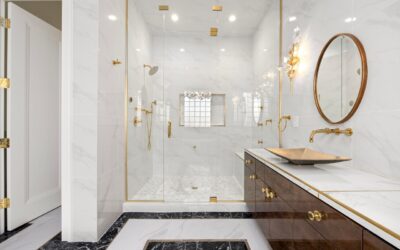
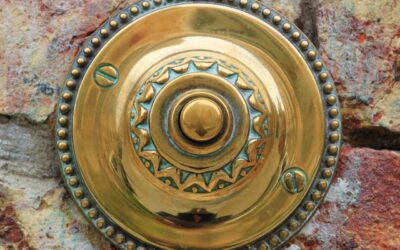
Bright, mirror-finish brass hardware was everywhere in the 1980s and early 1990s, and then it vanished almost overnight. Now it is back, but in a more selective way. Polished brass cabinet pulls are the high-shine version of brass hardware, buffed to a reflective gold finish and, in most cases, sealed with a clear lacquer so they stay bright instead of darkening with age. That lacquer is the single biggest factor in how the hardware will look in five years.
Part of our Kitchen Remodeling guide — explore the full guide →
Lacquered polished brass keeps its shine with nothing more than a soft cloth, but if the coating gets scratched, the exposed spot will tarnish unevenly. Unlacquered polished brass starts just as bright and then slowly mellows to a warm, darker patina unless you polish it regularly. Neither is better in every kitchen: lacquered suits people who want consistent shine with little upkeep, and unlacquered suits people who like the aged look or enjoy polishing.
- Polished Brass Cabinet Pulls: Lacquered vs Unlacquered
- How Tarnish Works on Brass
- Cabinet Colors That Make Polished Brass Look Current
- Choosing Pull Size and Style
- Tools and Materials
- Installing Polished Brass Pulls
- Cleaning and Care
- Troubleshooting
- Cost Ranges
- When to Call a Pro
- Frequently Asked Questions
Whether polished brass reads as fresh or dated mostly depends on what surrounds it: cabinet color, the shape of the pull, and the other metals in the room.
Polished Brass Cabinet Pulls: Lacquered vs Unlacquered
Here is how the two main types of high-shine brass compare, along with the satin and brushed finishes many people consider at the same time.
| Finish | Look when new | Tarnish behavior | Upkeep |
|---|---|---|---|
| Lacquered polished brass | Mirror bright, yellow gold | Stays bright for years; tarnishes in spots if lacquer is scratched or worn | Low: dust and wipe with a damp cloth |
| Unlacquered polished brass | Mirror bright, warm gold | Darkens over weeks to months, faster where hands touch | High if you want shine; none if you like patina |
| Brushed or satin brass (lacquered) | Soft, low-glare gold | Very stable; fingerprints show less | Low |
| Brass-plated or PVD-coated | Bright or satin gold over another metal | Does not tarnish; plating can wear through on cheap pieces | Low; avoid abrasives |
| Antique or aged brass | Darker, pre-patinated gold-brown | Changes little; finish is the aged look | Low |
Most polished brass drawer pulls and polished brass cabinet knobs sold for kitchens today are lacquered, because buyers expect them to look the same next year. If the product page says “living finish” or “unlacquered,” expect it to change color.
How Tarnish Works on Brass
Brass is an alloy of copper and zinc. When bare brass meets air, moisture, skin oils and cooking vapors, the copper oxidizes and forms a thin, darker layer. That is tarnish, and on brass it is cosmetic rather than damaging. On unlacquered pulls it builds most quickly where fingers touch, so the center of a pull darkens first while the ends stay brighter.
Lacquer is a thin, clear coating that blocks air and moisture from the metal. As long as it is intact, the shine stays. The problem comes when the lacquer is chipped, scratched by rings or worn through by years of use. Tarnish then forms only in those spots, creating a patchy, blotchy look that is harder to live with than either full shine or full patina. Harsh cleaners and abrasive pads speed that failure up.
Cabinet Colors That Make Polished Brass Look Current
Bright brass looked dated mostly because it was paired with honey oak, almond appliances and busy patterns. Pair it with today’s colors and clean shapes and it reads as intentional.
Looks current
- Deep navy or ink blue cabinets: the classic pairing; brass glows against the dark color.
- Dark green, from forest to olive: warm brass on green gives an English-kitchen feel.
- Black or charcoal: high contrast and dramatic, especially with slim bar pulls.
- Crisp white or soft warm white: works with simple, modern pull shapes such as thin bars or round knobs.
- Muted sage, taupe and greige: softer, more relaxed contrast.
- Walnut or rift-sawn white oak: rich wood with bright brass feels warm and tailored.
Tends to look dated
- Orange-toned golden oak: too much yellow on yellow, the exact look people left behind.
- Ornate, curvy pull shapes with polished finish: the shape matters as much as the finish.
- Mismatched warm metals: bright brass next to dull, different-toned gold faucets looks accidental.
To keep polished brass kitchen hardware from overwhelming a room, limit it to one or two metals overall. Bright brass with matte black, or brass with stainless appliances, both work. Repeating the brass in a light fixture or faucet ties it together.
Choosing Pull Size and Style
Pull length is described by center-to-center spacing, the distance between the two screw holes. Common sizes are 3 inches, 3-3/4 inches (96 mm), 5 inches (128 mm) and 6-5/16 inches (160 mm), with longer appliance-style pulls for tall doors and pantry units. A general rule is that a drawer pull should be roughly one-third the width of the drawer, while knobs suit small drawers and upper doors. If you are replacing hardware, match the existing hole spacing to avoid filling and redrilling.
For a modern look with polished brass, choose simple bar, arch or cup pulls. For a traditional kitchen, bin pulls and round knobs in polished brass work well on shaker doors. Solid brass feels heavier and wears better than brass-plated zinc, though plated pieces cost less.
Tools and Materials
- New pulls and knobs, with screws sized to your door and drawer thickness
- Tape measure and a cabinet hardware template or jig
- Drill with a sharp bit sized to the screw (often 3/16 inch for standard screws)
- Painter’s tape to protect the cabinet face and mark hole locations
- Screwdriver; avoid driving brass screws with an impact driver
- Soft microfiber cloths and mild dish soap
- A non-abrasive brass polish for unlacquered hardware only
- Wood filler and touch-up paint if old holes will be left exposed
Installing Polished Brass Pulls
- Plan the layout. Decide placement on doors (usually near the opening edge, 2 to 3 inches from the corner) and drawers (centered, or on the top rail for shaker fronts).
- Use a template. A hardware jig keeps every pull at the same height and spacing, which matters more with shiny finishes that catch the eye.
- Tape and mark. Apply painter’s tape where holes go, mark with a pencil, and double-check measurements.
- Drill from the front. Hold a scrap block behind the door or drawer to prevent blowout on the back side.
- Attach by hand. Insert screws from the back and tighten with a hand screwdriver until snug. Overtightening strips soft brass threads and can crack lacquer around the base.
- Wipe off fingerprints. Finish by wiping each pull with a clean, dry cloth.
Cleaning and Care
Lacquered polished brass
Wipe with a soft cloth dampened with warm water and a drop of mild dish soap, then dry. Do not use brass polish, ammonia, vinegar, bleach or abrasive pads on lacquered brass. Polish will strip or haze the coating and cause exactly the patchy tarnish you want to avoid. If the lacquer is already failing, a refinisher can strip and re-lacquer the pieces, or you can remove the lacquer completely and treat them as unlacquered.
Unlacquered polished brass
To keep the shine, apply a brass polish made for bare brass every few weeks to few months, following the product label. Rub with the grain, remove all residue, and buff dry. Gloves keep skin oils off the metal and protect your hands. If you would rather let a patina develop, just clean with soap and water and let the brass age naturally.
Troubleshooting
Spotty dark marks on lacquered pulls
The lacquer has been scratched or worn. Spot polishing will not match. Either replace the pulls, have them re-lacquered, or strip them fully and accept a living finish.
Green residue around screws
This is verdigris, a copper corrosion product that forms with moisture. Clean it off with soap and water, dry thoroughly, and check for a drip or steam source near the cabinet.
Pulls feel loose
Retighten by hand. If the hole is stripped in the cabinet, a longer screw or a small amount of wood filler can restore grip.
Plating wearing through
Silver or gray metal showing through gold means plated hardware has worn. Replace with solid brass pieces for a longer life.
Cost Ranges
Basic brass-finish pulls from home centers can cost a few dollars each, while solid brass polished pulls usually range from roughly 8 to 30 dollars each, and designer or handmade pieces can run 40 dollars or more apiece. A typical kitchen with 25 to 40 pieces may cost anywhere from about 150 dollars to over 1,000 dollars in hardware. Professional installation, if you want it, is often charged per piece or by the hour, and adding new holes or filling old ones adds time.
When to Call a Pro
Swapping pulls on existing holes is easy DIY. Consider a cabinet installer or finisher if you are drilling new holes in expensive or custom cabinet fronts, need old holes filled and refinished so they disappear, or want vintage brass hardware professionally stripped and re-lacquered.
Frequently Asked Questions
Do polished brass cabinet pulls tarnish?
Lacquered polished brass stays bright for years as long as the coating is intact. Unlacquered polished brass will darken over time, especially where it is handled.
How can I tell if my brass hardware is lacquered?
Lacquered brass usually has a uniform, glassy shine that has not changed over time. Unlacquered brass develops darker patches where hands touch. If the product description says “living finish,” it is unlacquered.
Can I use brass polish on lacquered pulls?
No. Polish can strip or cloud the lacquer and lead to uneven tarnish. Clean lacquered brass with mild soap and water only.
Is polished brass hardware out of style?
Not when paired well. Polished brass looks current on navy, green, black, white and walnut cabinets with simple pull shapes. It looks dated mostly with orange oak and ornate designs.
Should cabinet knobs and drawer pulls match?
Using polished brass cabinet knobs on doors and matching polished brass drawer pulls on drawers in the same finish gives a cohesive look. Mixing shapes is fine; mixing different brass tones usually is not.
What is the difference between polished and satin brass?
Polished brass is buffed to a mirror shine, while satin or brushed brass has a fine texture that softens the reflection and hides fingerprints. Both are commonly lacquered.