The biggest mistake I see homeowners make with a brand new shag rug is running a standard beater-bar vacuum across it the first week. Those long fibers get sucked up, tangled, and frayed within a month. Learning how to clean shag carpet the right way comes down to two ideas: lift instead of agitate, and dry instead of soak. Get those right and a quality wool or polyester shag holds up for 10 to 15 years. Skip them and you replace it in three.
Why Shag Needs Different Treatment
Pile height on a shag runs anywhere from 1.5 inches to a full 4 inches on the heavy luxury versions. That length traps dust and crumbs deep inside, well below where a regular vacuum head can reach. A stiff brush roll, meanwhile, grabs individual yarns and shears them off at the base. Within a few passes you get visible bald patches that no amount of fluffing brings back.
Material matters too. Wool shags from Safavieh or Loloi handle moisture differently than synthetic polyester or polypropylene versions sold at Wayfair and HomeGoods. Wool can shrink and felt if you saturate it. Synthetics resist water but melt under hot extraction. Always check the rug tag for fiber content before pulling out any cleaning gear.
Vacuum the Smart Way
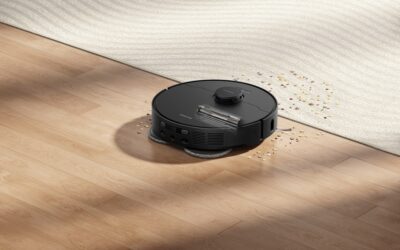
Switch your vacuum to bare-floor or no-beater mode before going near a shag. On uprights this usually means flipping a switch on the head or raising the height setting to its tallest position. If your machine cannot disable the brush roll, use the hose attachment only and skip the main head entirely.
A canister vacuum like the Miele Classic C1 or Sebo Airbelt K3 with a smooth-floor brush works far better than any upright on this kind of rug. Expect to spend 10 to 15 minutes on a 5 by 8 foot piece. Go slowly, in long straight strokes from one end to the other, and let the suction lift debris out rather than dragging it across the surface. Flip the rug over once a month and vacuum the back too. That shakes loose grit out of the base.
Shake and Beat for Smaller Rugs
Any shag rug under 8 by 10 feet still benefits from old-fashioned outdoor cleaning every few months. Drape it over a porch rail, deck post, or sturdy clothesline. Use a flat plastic carpet beater or even a tennis racket and work the back in a steady rhythm until dust stops puffing out.
Doing this twice a year removes pounds of fine dust that no vacuum touches. Pick a dry breezy day and let the rug hang for an hour after beating to let any remaining particles drift away. Vacuum the face one more time once it is back inside.
Spot Cleaning Spills Without Mats
Most damage to shag rugs happens during spot cleaning. The natural instinct is to scrub, and scrubbing pushes a stain deeper while matting the fibers permanently. The right approach is blot, lift, then rinse with minimal moisture.
- Lift solids with a spoon or dull knife, working from the outside of the spill inward so you do not spread it.
- Blot liquid with a stack of clean white towels, pressing down for 20 seconds at a time and rotating to a dry section.
- Mix one teaspoon of mild dish soap like Dawn Free and Clear with two cups of cold water. Dab the solution onto the stain with a microfiber cloth, never a brush.
- Blot dry again, then mist with plain water from a spray bottle and blot once more to rinse out the soap.
- Stand a fan over the spot and let it run for two to four hours until the base feels completely dry to the touch.
Leaving soap residue behind is the number one cause of rapid re-soiling. Dirt sticks to soap film, so a shag that was spotless yesterday looks dingy a week later. Always rinse with water and over-dry.
Deep Cleaning at Home
Once or twice a year a shag needs a deeper clean than spot work can give. Skip standard carpet shampooers like the Bissell Big Green or Hoover SmartWash. Their brush rolls are murder on long pile. Instead, use a low-moisture method that lifts soil without saturating the base.
Dry compound powders such as Capture or Host work well on synthetic shags. Sprinkle a thin even layer across the rug, wait 30 minutes for the powder to absorb oils, then vacuum it up with the brush roll off. The powder pulls dirt and odor out without any water touching the fibers. Total time runs about an hour for a 9 by 12 rug.
For wool shags, an upholstery extractor like the Bissell Little Green Pro or rented Rug Doctor with the hand tool gives more control than a full floor unit. Use cool water and a wool-safe detergent at half the recommended dilution. Go over each section twice with the spray off to extract as much moisture back out as possible.
Drying and Fluffing
Drying time matters as much as the wash itself. Damp shag develops mildew within 24 hours if it stays compressed against a floor. Lift the rug onto two sawhorses or hang it over a railing so air reaches both sides. Run a box fan or dehumidifier in the room and aim for full dryness within 12 hours.
Once dry, the pile usually looks flat and sad. Bring it back with a wide-tooth pet rake or a stiff wig brush, working in small sections and lifting fibers upward rather than dragging across. A quick pass with the vacuum hose on its lowest setting finishes the job and restores that fluffy look.
When to Call a Pro
Some jobs are not worth DIY. Pet urine that soaked all the way through the backing needs a professional sub-surface extraction, usually $150 to $300 depending on rug size. Red wine that has dried for more than 48 hours and large grease spots from a kitchen accident both respond better to commercial solvents that home stores do not sell. Vintage Moroccan Beni Ourain rugs and silk shags should never go through DIY cleaning at all. Find an Oriental rug specialist who hand-washes off-site and budget $4 to $8 per square foot.
Stick with these methods and your shag stays soft, dense, and looking close to new for over a decade. The key takeaway with how to clean shag carpet is patience: low moisture, gentle lifting, and full drying every single time.