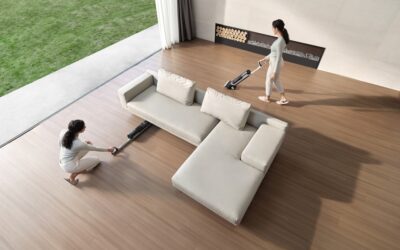
Knowing how to clean wood floors properly is the difference between a floor that looks beautiful for decades and one that dulls, scratches, and deteriorates prematurely. Wood floors — whether solid hardwood, engineered hardwood, or bamboo — share similar cleaning principles, but the details matter. The wrong product, too much water, or an abrasive tool can cause irreversible damage.
This universal guide covers daily maintenance, weekly cleaning, deep cleaning techniques, product recommendations, finish-specific care (polyurethane vs. oil), common mistakes to avoid, and seasonal tips that keep every type of wood floor in top condition.


Daily Cleaning: Dust Mopping
The single most important daily habit for wood floors is dry dust mopping. Dirt, sand, and grit are the primary enemies of wood floors — they act like sandpaper under foot traffic, scratching the finish and dulling the surface over time. Removing these particles daily prevents the vast majority of finish damage.
Best tool: A microfiber dust mop with a wide head (18 to 24 inches for large rooms). Microfiber attracts and holds dust particles through static charge rather than pushing them around. Swiffer-type dry cloths also work but are more expensive per use than a washable microfiber pad.
Technique: Push the mop in long, straight strokes along the grain of the wood, working from one end of the room to the other. Avoid lifting the mop mid-stroke, which releases captured dust. Shake out or vacuum the mop pad when it becomes loaded with debris.
Frequency: Daily in high-traffic areas (kitchens, hallways, entryways). Every 2 to 3 days in bedrooms and low-traffic rooms. Homes with pets or children may need twice-daily sweeping in the busiest areas.
For quick spot cleanup of crumbs or pet hair between full dust moppings, a cordless stick vacuum set to the hard-floor mode (brush roll off) works well. Always disable the rotating brush roll — spinning bristles can scratch wood finishes.
Weekly Cleaning: Damp Mopping
Once a week, damp mop your wood floors to remove the sticky residue, body oils, and grime that dry dust mopping leaves behind. The keyword is damp — not wet. Excess water is the biggest threat to wood floors during cleaning.
Method: Use a spray mop or a well-wrung microfiber mop. If using a bucket, wring the mop until it is barely damp — you should not see water pooling on the floor as you mop. Spray mops (like the Bona Premium Spray Mop) are ideal because they apply a controlled, fine mist that cleans without saturating the wood.
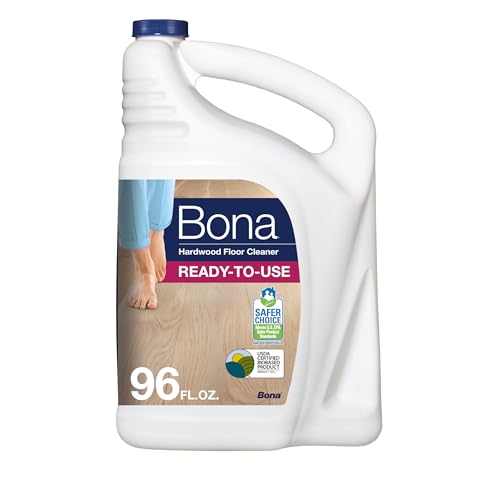
Cleaning solution: Use a cleaner specifically formulated for wood floors — Bona Hardwood Floor Cleaner, Murphy Oil Soap (diluted), or a similar pH-neutral, residue-free wood floor product. Alternatively, mix 1/4 cup of white vinegar per gallon of warm water for a DIY solution (safe for polyurethane-finished floors — not recommended for wax or oil finishes).
Technique: Mop with the grain of the wood. Work in sections, spraying or dampening a 4-by-6-foot area at a time. Do not let the cleaning solution sit on the wood — mop, then immediately follow with a dry pass if the floor appears wet. Change the cleaning solution when it becomes dirty to avoid spreading grime.
Deep Cleaning Wood Floors
Deep clean wood floors every 1 to 3 months (or whenever the floor looks dull despite regular cleaning). Deep cleaning removes embedded grime, old cleaning product residue, and scuff marks that routine mopping misses.
Commercial Wood Floor Cleaner
Apply a dedicated hardwood floor cleaner more generously than your weekly clean — enough to dissolve buildup but not enough to puddle. Let it sit for 2 to 3 minutes, then mop with the grain. Follow with a clean-water damp mop to remove any cleaner residue. Allow the floor to air dry completely.
Vinegar and Water Deep Clean
For polyurethane-finished floors, mix 1/2 cup of white vinegar per gallon of warm water (stronger than the weekly dilution). Damp mop the entire floor, paying extra attention to high-traffic zones and areas near exterior doors where tracked-in grime accumulates. Rinse with a clean, lightly damp mop.
Scuff Mark Removal
For black scuff marks from shoes, rub gently with a clean tennis ball, a sock, or a damp microfiber cloth. For stubborn scuffs, apply a small amount of baking soda on a damp cloth and rub lightly — test in an inconspicuous area first. Magic Erasers work but can dull high-gloss finishes if rubbed too aggressively.
Sticky Residue
For sticky spots (tape residue, food spills, candle wax), place a damp cloth over the spot and let it sit for a few minutes to soften the residue. Gently scrape with a plastic putty knife or credit card — never use metal scrapers on wood floors. Follow with wood floor cleaner to remove any remaining residue.
Recommended Products for Wood Floors
| Product | Type | Best For | Price Range |
|---|---|---|---|
| Bona Hardwood Floor Cleaner | Spray cleaner | All poly-finished wood floors | $8 – $12 |
| Bona Premium Spray Mop | Spray mop | Weekly damp mopping | $35 – $45 |
| Murphy Oil Soap | Concentrate | All sealed wood floors | $5 – $8 |
| Method Squirt + Mop Wood | Spray cleaner | Quick cleaning, plant-based | $5 – $7 |
| Rubio Monocoat Soap | Concentrate | Oil-finished wood floors | $25 – $35 |
| WOCA Natural Soap | Concentrate | Oil-finished European wood floors | $20 – $30 |
| O-Cedar ProMist MAX | Spray mop | Budget spray mop option | $25 – $35 |
Polyurethane vs Oil Finish Care
The type of finish on your wood floor determines which cleaning products and methods are safe to use. Using the wrong approach can damage the finish.
Polyurethane (Urethane) Finish
Polyurethane finishes create a hard, plastic-like protective layer on top of the wood. This is the most common finish on wood floors in North America — both water-based and oil-based polyurethane. Poly-finished floors are the easiest to clean because the sealer protects the wood from moisture and chemicals.
- Safe cleaners: Bona, Murphy Oil Soap, vinegar-water solution, most commercial wood floor cleaners
- Safe tools: Microfiber mops, spray mops, soft-bristle brooms, vacuums (brush roll off)
- Avoid: Wax-based products (they build up on polyurethane and create a hazy film), steam mops, ammonia, and abrasive cleaners
Oil Finish (Penetrating Oil, Hardwax Oil)
Oil finishes (tung oil, Danish oil, Rubio Monocoat, Osmo, WOCA) penetrate into the wood fibers rather than forming a surface film. They create a natural, matte look that highlights the wood’s grain and texture. Oil-finished floors require different — and more careful — cleaning.
- Safe cleaners: Soap specifically designed for oiled floors (Rubio Monocoat Soap, WOCA Natural Soap, Pallmann Clean). These soaps clean without stripping the oil
- Safe tools: Microfiber mops (damp, never wet), soft brooms
- Avoid: Vinegar (strips oil), standard wood floor cleaners (many contain chemicals that degrade oil finishes), excess water, steam mops, Murphy Oil Soap (despite the name, not ideal for oil finishes)
- Maintenance: Reapply maintenance oil to high-traffic areas every 6 to 12 months to replenish the finish
What Ruins Wood Floors
Avoid these common mistakes that cause permanent damage to wood floors.
Steam mops. The combination of heat and moisture from steam mops forces water vapor into wood grain and between planks, causing swelling, warping, finish clouding, and delamination (on engineered floors). No wood floor manufacturer recommends steam cleaning — using a steam mop typically voids the warranty.
Wet mopping. Standing water seeps between planks, penetrates end joints, and is absorbed by the wood — causing cupping, buckling, and mold growth. Always use a damp (not wet) mop and wipe up any visible moisture immediately.
Vinegar on oil finishes. Vinegar’s acidity strips penetrating oil finishes over time, leaving the wood unprotected and dull. Only use vinegar on polyurethane-sealed floors.
Harsh chemicals. Ammonia, bleach, all-purpose cleaners (like Pine-Sol at full strength), and abrasive powders (like Comet) strip finishes, discolor wood, and cause etching. Stick to products formulated specifically for wood floors.
Rubber-backed rugs. Rubber and latex rug backings trap moisture against the wood and cause discoloration — a chemical reaction that darkens the wood permanently. Use rugs with breathable backings (felt, woven) and non-slip rug pads made from natural rubber mesh (open-weave, not solid).
Dragging furniture. Moving furniture without felt pads or lifting creates deep scratches and gouges. Apply adhesive felt pads to all furniture legs and replace them when they wear thin or collect grit.
Seasonal Wood Floor Care Tips
| Season | Challenge | Action |
|---|---|---|
| Winter | Low humidity causes wood to shrink and crack; salt and snow tracked in | Run a humidifier to maintain 35 – 55% humidity. Use entry mats and clean salt residue promptly with a damp mop |
| Spring | Increased humidity; pollen and mud tracked in | Monitor humidity and use a dehumidifier if needed. Place doormats at all entries. Deep clean to remove winter buildup |
| Summer | High humidity causes wood to expand; UV fading | Keep humidity below 55% with AC or a dehumidifier. Close blinds during peak sun to reduce UV fading. Rotate rugs and furniture to prevent uneven fading |
| Fall | Leaves and moisture tracked in; temperature fluctuations | Use doormats. Increase dust mopping frequency. Consider recoating high-traffic areas before the holiday season |
Cleaning by Wood Floor Type
Solid Hardwood
Solid hardwood is the most moisture-sensitive wood floor — water penetrates through the finish into the wood grain, causing swelling and cupping. Use the least amount of water possible. Daily dust mop, weekly damp mop with a spray mop, deep clean quarterly. Sand and refinish when the finish is worn through to bare wood (every 7 to 10 years in high-traffic areas).
Engineered Hardwood
Engineered hardwood’s plywood core provides better moisture stability than solid wood, but the real wood veneer on top still requires gentle care. Clean the same way as solid hardwood. Avoid steam mops — the heat can delaminate the veneer from the core. If the veneer is thick enough (2 mm+), engineered floors can be screen-and-recoated or lightly sanded and refinished.
Bamboo
Bamboo cleans the same way as hardwood — dust mop daily, damp mop weekly. Bamboo is slightly more moisture-resistant than oak but should still be cleaned with minimal water. Use pH-neutral wood floor cleaners. Strand-woven bamboo is very hard but can still be scratched by sand and grit — prioritize regular dust mopping.
Frequently Asked Questions
Can I use a Swiffer on wood floors?
Yes, Swiffer dry cloths are safe for wood floors — they pick up dust and hair effectively. Swiffer WetJet is more controversial: the cleaning solution is generally safe for polyurethane-finished floors, but some formulations leave a residue that dulls the finish over time. For best results, use a Bona spray mop or a microfiber mop with a wood-specific cleaner.
Is vinegar safe for wood floors?
Vinegar (diluted — 1/4 cup per gallon of water) is safe for polyurethane-finished wood floors. It is a mild acid that cuts through grime without leaving residue. However, vinegar should never be used on oil-finished, wax-finished, or unfinished wood floors — it strips the protective oil and can damage the wood. When in doubt, use a commercial wood floor cleaner.
How often should I mop wood floors?
Damp mop weekly in most homes. High-traffic kitchens and homes with pets or young children may benefit from damp mopping twice a week. Dust mop or sweep daily or every other day to prevent grit from scratching the finish between moppings.
Can you use a steam mop on hardwood floors?
No. Steam mops are not recommended for any type of wood floor — solid hardwood, engineered hardwood, or bamboo. The high-temperature steam forces moisture into the wood grain and between planks, causing warping, finish damage, and delamination. Using a steam mop voids most wood floor warranties.
What is the best mop for wood floors?
A microfiber spray mop is the best option. The Bona Premium Spray Mop is the most popular choice among flooring professionals. It applies a controlled mist of cleaner, the microfiber pad picks up dirt without scratching, and the washable pad is economical. For budget options, the O-Cedar ProMist MAX and Rubbermaid Reveal are solid alternatives.
How do I restore dull wood floors without refinishing?
First, deep clean to remove product buildup — often the dullness is caused by residue from incorrect cleaners, not actual finish damage. If the finish itself is worn, a screen-and-recoat (also called a buff-and-coat) applies a new layer of finish without sanding to bare wood. This costs $1 to $3 per square foot and restores shine to worn polyurethane finishes. For oil-finished floors, apply a fresh coat of maintenance oil.
Why do my wood floors look streaky after mopping?
Streaks are usually caused by too much cleaning solution, dirty mop water, or a cleaner that leaves residue. Switch to a spray mop that applies a fine mist (less is more), use a dedicated wood floor cleaner (not an all-purpose cleaner), and rinse your mop pad frequently. Mop with the grain of the wood for the best finish.
Prefer to explore on your own?
See how new flooring looks in your actual room in seconds — free, no signup.
Try the free Floor Studio →