Knowing how to clean engineered hardwood floors correctly is the key to preserving their beauty and protecting your investment. Engineered hardwood has a real wood veneer layer that responds to cleaning products and moisture differently than solid hardwood — and using the wrong approach can dull the finish, cause swelling, or void your warranty.
This guide covers daily care routines, the best cleaning products, proper damp mopping technique, finish-specific care for polyurethane and UV-oiled floors, scratch prevention, deep cleaning methods, and stain removal strategies. Follow these practices and your engineered hardwood floors will look beautiful for decades.


Daily Care Routine
The most effective way to maintain engineered hardwood is preventing damage before it happens. A simple daily routine keeps dirt and grit from scratching the finish and reduces the need for deep cleaning.
Daily (or as needed):
- Sweep with a soft-bristle broom or use a dry microfiber dust mop. Avoid stiff brooms that can scratch the finish.
- Vacuum with the hard-floor setting (beater bar off). The spinning beater bar on carpet vacuums will scratch and dent engineered hardwood. Use a vacuum designed for hard floors or switch the beater bar off.
- Wipe up spills immediately. Standing water is the biggest enemy of engineered hardwood. Even waterproof finishes cannot protect the edges and seams from prolonged moisture.
Weekly:
- Damp mop with a properly wrung-out microfiber mop and an approved hardwood floor cleaner (see below).
- Clean under furniture and area rugs where dust and grit accumulate unseen.
Monthly:
- Inspect for scratches or dull areas that may need touch-up.
- Clean air vents and registers to reduce airborne dust settling on floors.
Best Cleaning Products for Engineered Hardwood
Using the right cleaning product is critical. The wrong product can leave residue, strip the finish, or cause a hazy film that dulls the floor’s appearance.
| Product | Type | Best For | Price |
|---|---|---|---|
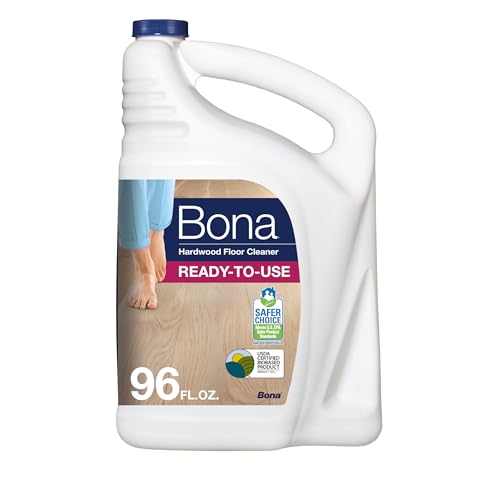
| Bona Hardwood Floor Cleaner | Spray / concentrate | Polyurethane finishes (most common) | $8 – $12 |
| Bona PowerPlus Hardwood | Spray | Deep cleaning, tough stains | $10 – $14 |
| WOCA Natural Soap | Concentrate | UV-oiled and natural-oil finishes | $20 – $30 |
| Pallmann Hardwood Floor Cleaner | Concentrate | All finishes, commercial grade | $15 – $25 |
| Method Wood Floor Cleaner | Spray | Quick clean, plant-based formula | $5 – $7 |
Products to avoid:
- Vinegar and water — the acidity etches polyurethane and dulls the finish over time. Despite its popularity as a “natural” cleaner, vinegar is not recommended by any major hardwood manufacturer.
- Murphy’s Oil Soap — leaves a residue buildup that dulls floors and attracts dirt. While it was designed for solid unfinished or wax-finish wood, it is not appropriate for modern polyurethane or oil-finished floors.
- Steam mops — the heat and moisture penetrate seams and edges, causing swelling, cupping, and delamination. Every major engineered hardwood manufacturer explicitly warns against steam mops, and use will void your warranty.
- Wax or polish — do not apply wax, Pledge, or oil-based polishes to polyurethane-finished floors. They create a slippery film that is difficult to remove and prevents proper recoating later.
Find more product recommendations in our hardwood floor cleaner guide and our Bona floor cleaner review.
Proper Damp Mopping Technique
Damp mopping is the cornerstone of engineered hardwood maintenance, but technique matters. Too much water causes damage; too little leaves dirt behind.
- Sweep or vacuum first to remove loose dirt and grit. Mopping over grit scratches the finish.
- Spray the cleaner directly onto the floor in a 3-to-4-foot section, or lightly mist your microfiber mop pad. Never pour cleaner directly from a bottle — it creates puddles.
- Mop with the grain of the wood, using overlapping strokes. Working with the grain pushes dirt out of the texture rather than into it.
- Wring the mop pad thoroughly. The pad should be damp, not wet. If you can squeeze water out of it, it is too wet. After mopping, the floor should dry within 1 to 2 minutes. If water is visible for longer, you are using too much.
- Work in sections and change or rinse the mop pad when it becomes visibly dirty. A dirty pad just redistributes grime.
- Do not re-mop wet areas. If you see a streak, let the floor dry completely, then go over it with a clean, barely damp pad.
Best mop for engineered hardwood: A flat microfiber mop (like the Bona Premium Spray Mop or a generic flat mop with washable microfiber pads) is ideal. Avoid string mops and sponge mops — they hold too much water and are difficult to wring out sufficiently.
Engineered vs. Solid Hardwood: Cleaning Differences
Engineered and solid hardwood look identical, but their construction creates important cleaning differences.
| Factor | Engineered Hardwood | Solid Hardwood |
|---|---|---|
| Moisture tolerance | Slightly better (plywood core resists warping) | Lower (expands and contracts more) |
| Damp mopping | Safe with proper technique | Safe with proper technique |
| Steam mopping | Never — causes delamination | Never — causes cupping |
| Wet spill urgency | Wipe within 5 minutes | Wipe within 2-3 minutes |
| Refinishing to fix damage | Limited (thin veneer, 1-2 times) | Multiple times (3/4″ solid wood) |
| Cleaning products | Same as solid (match to finish type) | Same as engineered (match to finish type) |
The key difference is that engineered hardwood has a thinner wear layer — typically 1 to 6 millimeters of real wood over a plywood core. This means you cannot sand and refinish it as aggressively or as many times as solid hardwood. Protecting the existing finish through proper cleaning is therefore even more important with engineered wood.
Learn more about engineered wood construction in our engineered hardwood flooring guide.
UV-Oiled vs. Polyurethane Finish Care
Your cleaning routine must match your floor’s finish type. Using the wrong products can damage or discolor the finish.
Polyurethane Finish (Most Common)
Polyurethane (water-based or oil-based) creates a hard, clear plastic-like coating on top of the wood. This is the most common finish on engineered hardwood sold in North America.
- Clean with: Bona Hardwood Floor Cleaner, Pallmann, or any pH-neutral hardwood floor cleaner
- Avoid: Wax, oil, vinegar, ammonia, abrasive cleaners
- Maintenance: No oiling or waxing needed. The polyurethane layer protects the wood. When the finish wears (typically 7 to 15 years), the floor can be screened and recoated with a fresh layer of polyurethane.
- Scratch repair: Minor scratches in the finish (not reaching the wood) can be buffed out with a hardwood floor restorer product. Deeper scratches may need a touch-up pen or professional spot repair.
UV-Oiled Finish
UV-oiled (also called hardwax-oil) finishes penetrate into the wood rather than sitting on top of it. They give a natural, matte look that shows the wood’s texture. European engineered hardwood brands frequently use this finish.
- Clean with: WOCA Natural Soap, Rubio Monocoat Soap, or the oil manufacturer’s recommended soap
- Avoid: Polyurethane-targeted cleaners (like Bona), vinegar, all-purpose cleaners
- Maintenance: UV-oiled floors need periodic re-oiling (every 1 to 3 years depending on traffic) to maintain their protective layer. This is a simple DIY process — apply a thin coat of maintenance oil with a microfiber pad, let it penetrate for 15 to 30 minutes, and buff off the excess.
- Scratch repair: Oil finishes have an advantage — minor scratches can be spot-repaired by lightly sanding the area and re-applying oil. No need to refinish the entire floor.
Scratch Prevention
Preventing scratches is easier and cheaper than repairing them. These measures protect your engineered hardwood from the most common sources of damage.
- Felt pads on all furniture legs. Apply adhesive felt pads to chairs, tables, sofas, and bed frames. Replace them every 6 to 12 months as they wear down and collect grit. Nail-on felt pads last longer than adhesive ones.
- No shoes indoors. Shoes — especially heels, cleats, and hard-soled dress shoes — are a leading cause of hardwood scratches and dents. Establish a shoes-off policy or provide soft slippers at the door.
- Area rugs in high-traffic zones. Place rugs at entryways, in front of kitchen sinks, and in hallways. Use rugs with breathable, non-rubber backings (rubber can discolor hardwood). Avoid rug pads made of natural rubber on polyurethane finishes.
- Trim pet nails. Dog nails are a major source of hardwood scratches. Keep nails trimmed short and consider nail caps for large, active dogs.
- Use furniture sliders for moving. Never drag furniture across engineered hardwood. Use felt or plastic sliders under heavy items when rearranging a room.
- Dust mop daily in kitchens. Kitchens accumulate grit and crumbs that get ground into the finish by foot traffic. A quick daily sweep prevents micro-scratches that dull the floor over time.
Deep Cleaning Engineered Hardwood
If your floors have built-up residue, haze, or have not been properly maintained, a deep clean can restore the finish. Do this once or twice a year, or as needed.
For Polyurethane Finishes
- Vacuum thoroughly to remove all loose debris.
- Use Bona PowerPlus Deep Clean or dilute Bona Concentrate per label instructions.
- Apply the cleaner in sections and scrub with a microfiber mop, applying moderate pressure.
- For stubborn residue from old products (Murphy’s Oil Soap buildup, wax residue), use Bona Deep Clean Pad System — the scrubbing pad is more aggressive than a standard mop pad.
- Rinse with a clean, damp microfiber pad to remove any loosened residue.
- Allow to dry completely. The floor should look cleaner and less hazy.
For UV-Oiled Finishes
- Vacuum thoroughly.
- Clean with the manufacturer’s intensive cleaner (e.g., WOCA Intensive Cleaner or Rubio Monocoat Surface Care).
- Apply with a scrubbing pad or brush, working in 4-foot sections.
- Remove residue with a damp microfiber cloth.
- Allow to dry 24 hours, then apply a thin coat of maintenance oil to re-nourish the wood.
Stain Removal Guide
Act fast on stains — the longer they sit, the harder they are to remove. Here is how to handle the most common stains on engineered hardwood.
| Stain Type | Removal Method |
|---|---|
| Water rings / white marks | Apply a small amount of mayonnaise or petroleum jelly, let sit 30 minutes, wipe clean. The oils displace the trapped moisture. For persistent marks, lightly buff with #0000 steel wool and reapply finish. |
| Red wine | Blot immediately (do not rub). Apply a damp cloth with a small amount of hardwood floor cleaner. If stain persists, use hydrogen peroxide on a cotton ball for 5 minutes (test in hidden area first). |
| Grease / cooking oil | Apply a paste of baking soda and water to the stain. Let sit 10 minutes, then wipe clean with a damp cloth. Follow with hardwood cleaner. |
| Pet urine | Blot immediately. Clean with an enzymatic pet stain remover (like Nature’s Miracle) that is safe for hardwood. If the stain has penetrated the finish, the area may need sanding and refinishing. |
| Scuff marks | Rub gently with a clean tennis ball or a pencil eraser. For stubborn scuffs, apply a small amount of baking soda on a damp cloth. |
| Ink / marker | Apply rubbing alcohol to a cotton ball and dab the stain gently. Do not rub aggressively — alcohol can dull polyurethane if left too long. |
| Crayon / wax | Place a paper bag over the wax and apply a warm iron briefly to melt the wax into the paper. Repeat as needed, then clean with hardwood floor cleaner. |
Frequently Asked Questions
Can I use a Swiffer on engineered hardwood?
The Swiffer WetJet is generally safe for polyurethane-finished engineered hardwood, but it is not ideal. The cleaning solution can leave a residue over time, and the disposable pads are less effective than reusable microfiber. A flat microfiber mop with Bona cleaner delivers better results. If you do use a Swiffer, use it dry for dust mopping — that works well.
Can I use a robot vacuum on engineered hardwood?
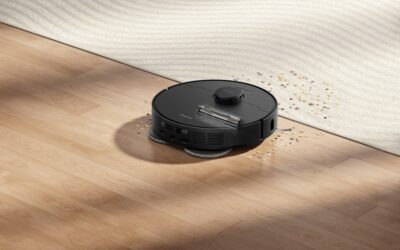
Yes. Robot vacuums (like Roomba or Roborock) with soft roller brushes are safe and effective on engineered hardwood. Avoid models with stiff bristle brushes or aggressive beater bars. Running a robot vacuum daily is an excellent way to keep grit off your floors between manual cleanings.
How often should I clean engineered hardwood floors?
Sweep or dust mop daily (or every 2 to 3 days in low-traffic homes). Damp mop weekly or bi-weekly. Deep clean once or twice per year. Kitchens and entryways need more frequent cleaning than bedrooms.
Why are my engineered hardwood floors dull?
The most common causes of dull engineered hardwood are product residue buildup (from Murphy’s Oil Soap, Swiffer solution, or vinegar), micro-scratches from grit, or wear of the polyurethane finish. Try a deep clean first to remove residue. If the floor is still dull, the finish may need screening and recoating — a process that costs $1 to $3 per square foot.
Can you refinish engineered hardwood?
Yes, but with limitations. Engineered hardwood with a veneer of 2mm or thicker can typically be sanded and refinished once. Floors with 4mm+ veneers can be refinished two or more times. Thin-veneer products (under 2mm) cannot be sanded — they can only be screened and recoated without removing any wood.
Is it safe to use hydrogen peroxide on engineered hardwood?
Diluted hydrogen peroxide (3% household grade) can be used for spot stain removal on polyurethane-finished floors. Apply it to a cotton ball and dab the stain — do not pour it on the floor. Always test in a hidden area first, as it can lighten some wood species. Do not use on oiled finishes.
Prefer to explore on your own?
See how new flooring looks in your actual room in seconds — free, no signup.
Try the free Floor Studio →