Learning how to get rid of carpet beetle larvae comes down to one principle: remove their food and their hiding spots faster than they can breed. These small bristly larvae feed on wool, silk, fur, feathers, lint, pet hair, and dead insects, quietly damaging rugs and clothing while staying out of sight. The good news is that most infestations can be cleared with thorough cleaning and a methodical approach, no exotic products required. This guide walks through the DIY steps that actually work and how to keep them from coming back.
- Step 1: Find the Source
- Step 2: Deep Vacuum Everything
- Step 3: Launder and Heat-Treat Fabrics
- Step 4: Clean and Declutter Storage Areas
- Step 5: Treat Problem Areas if Needed
- Step 6: Address the Adults and Entry Points
- Preventing a Comeback
- How Long It Takes to Clear Them
- Common Mistakes to Avoid
- When to Call a Professional
Step 1: Find the Source
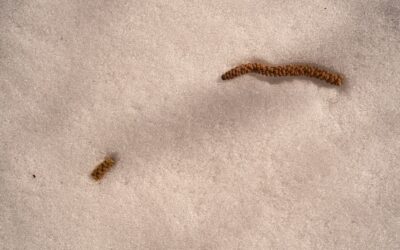
You cannot eliminate the larvae until you know what they are eating. Inspect the areas where natural fibers and debris collect: under and around rugs, inside closets and dressers, beneath heavy furniture, along baseboards and floor vents, in stored wool and fur, and in attics or wall voids where dead insects or old nests gather. Look for the slow-moving bristly larvae, their shed brown skins, and salt-grain fecal pellets. Pinpointing the breeding site is the single most important step, because cleaning everywhere else does nothing if the source stays.
Step 2: Deep Vacuum Everything
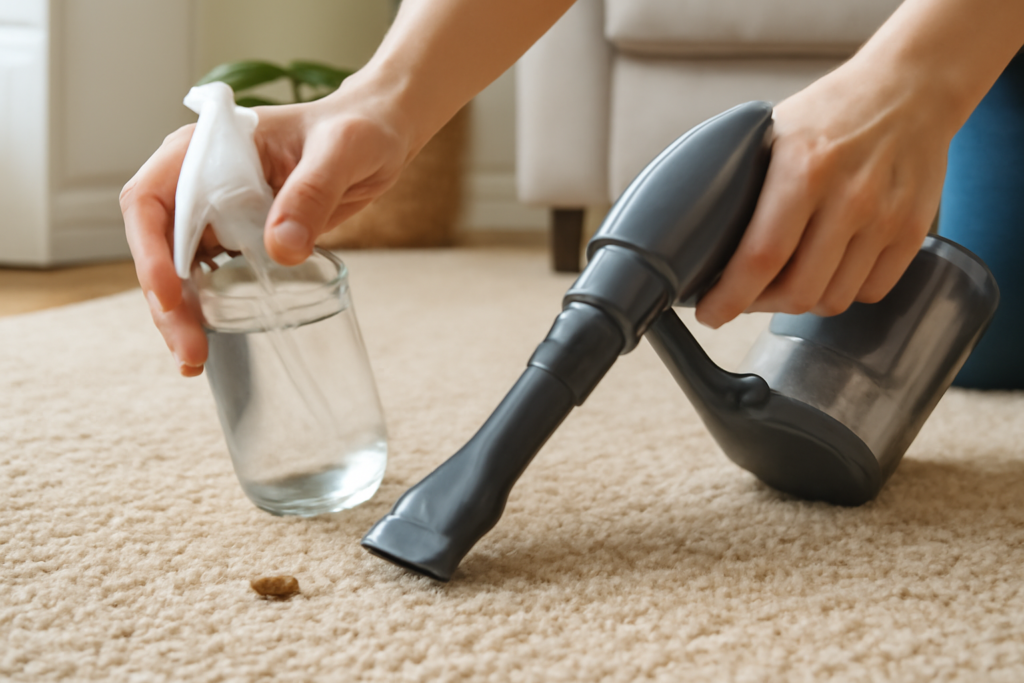
Vacuuming is your most powerful weapon. It physically removes larvae, eggs, shed skins, lint, and the hair and debris they feed on. Vacuum thoroughly and repeatedly across the affected areas.
- Vacuum carpets and rugs slowly, including the edges, corners, and the underside if you can lift them.
- Use the crevice tool along baseboards, in closets, under furniture, and around vents.
- Vacuum upholstered furniture, including under cushions and in the seams.
- Empty the canister or seal and discard the bag immediately, outdoors, so captured larvae cannot crawl back out.
Repeat vacuuming every few days for several weeks to catch newly hatched larvae before they mature.
Step 3: Launder and Heat-Treat Fabrics
Larvae, eggs, and adults are killed by heat. Wash all affected and at-risk washable items, clothing, bedding, linens, and rugs that fit, in hot water and dry them on high heat. For items that cannot be hot-washed, dry cleaning kills the larvae effectively. For delicate pieces, sealing them in a bag and placing them in the freezer for a couple of weeks can also kill all life stages. Pay special attention to wool, cashmere, silk, and anything that has been stored unworn for a long time, which is exactly where these pests thrive.
Step 4: Clean and Declutter Storage Areas
Empty closets, drawers, and storage chests, then wipe them down and vacuum every corner before returning items. Clutter gives larvae undisturbed dark spaces to feed and pupate. Discard or repair badly infested items that are not worth salvaging. Clean lint, pet hair, and dust from under appliances and furniture, and clear out any dead insects from window sills and light fixtures, since those carcasses are a prime larval food source.
Step 5: Treat Problem Areas if Needed
For most home infestations, thorough cleaning is enough. If larvae persist after diligent vacuuming and laundering, you can apply an insecticide labeled for carpet beetles to the specific cracks, crevices, and carpet edges where they hide, always following the product directions exactly and keeping children and pets away during application. Diatomaceous earth lightly applied in undisturbed cracks and along baseboards can also help. Avoid broadcast-spraying living areas; targeted treatment of harborage points is both safer and more effective than coating open surfaces.
Step 6: Address the Adults and Entry Points
Adult beetles fly in from outside and are drawn to light, then lay eggs indoors near food sources. Keep them out by maintaining tight window and door screens, sealing cracks, and checking flowers and plants before bringing them inside, since adults feed on pollen. Reducing the adult population indoors cuts off the next generation of larvae at the source.
Preventing a Comeback
Once you have cleared the infestation, prevention keeps it gone.
- Vacuum regularly, especially in low-traffic spots like closet floors and under furniture.
- Store wool, fur, and other natural fibers clean and in sealed containers or garment bags.
- Clean garments before long-term storage, since body oils and food residue attract larvae.
- Keep lint, pet hair, and dust under control around the home.
- Periodically inspect stored textiles and rug edges for early signs.
How Long It Takes to Clear Them
Set realistic expectations: getting rid of carpet beetle larvae is rarely a one-day job. Because eggs and hidden larvae can keep hatching for weeks, you need to repeat your vacuuming and inspection routine for several weeks to break the cycle. A typical timeline is two to six weeks of consistent effort, longer if the source was deeply hidden or the infestation was large. Stick with the schedule even when you stop seeing larvae, since the last few can be the hardest to find. Mark a calendar reminder to vacuum problem areas every few days, and reinspect storage spots and rug edges to confirm the population is truly gone before you relax.
Common Mistakes to Avoid
A few missteps let infestations drag on or come back.
- Cleaning everywhere but the source: if the breeding site stays, the problem returns no matter how much else you scrub.
- Vacuuming once and stopping: a single pass misses eggs and newly hatched larvae.
- Leaving the vacuum bag indoors: trapped larvae can crawl back out; empty and discard outside.
- Storing dirty woolens: body oils and food residue on stored clothing attract egg-laying females.
- Ignoring dead insects and lint: these are prime larval food sources that quietly sustain a population.
When to Call a Professional
If the infestation is widespread, keeps returning after weeks of diligent effort, or you cannot locate the source, a licensed pest control professional can identify hidden breeding sites, such as inside wall voids or old nests, and treat them safely. For a typical localized problem, though, persistent vacuuming, hot laundering, and removing their food source will get rid of carpet beetle larvae without outside help.
Whether you handle it yourself or bring in help, the principle never changes: these larvae cannot survive without their food and their hiding spots. Strip away the natural fibers, lint, hair, and dead insects they feed on, deny them the dark, undisturbed corners they breed in, and keep up the cleaning routine long enough to outlast the eggs already in place. Do that consistently, and a carpet beetle problem that once seemed to keep coming back will finally stay gone for good.
Prefer to explore on your own?
See how new flooring looks in your actual room in seconds — free, no signup.
Try the free Floor Studio →