A single batch of homemade laundry detergent can cost as little as 5 to 10 cents per load, compared with 20 to 35 cents for many name-brand liquids. Learning how to make homemade laundry detergent puts that savings in your pocket while giving you full control over the ingredients that touch your skin and your clothes. With three or four common items and about fifteen minutes, you can mix a supply that lasts for months.
Why Make Your Own Detergent
Homemade detergent appeals to people for several reasons. It is cheaper, it cuts down on plastic jugs, and it lets you avoid synthetic fragrances and dyes that can irritate sensitive skin. For families managing eczema or allergies, a simple unscented blend is often gentler than commercial formulas. You also avoid the optical brighteners and fillers that many big brands add to make whites look whiter without actually cleaning better.
That said, homemade detergent is not magic. It cleans everyday dirt and light odors well but may struggle with heavy grease or athletic stink. Understanding both its strengths and limits helps you set realistic expectations before you commit to a switch.
The Core Ingredients
Most recipes rely on a small set of inexpensive staples you can find in the laundry aisle of any grocery store.
- Washing soda (sodium carbonate): the workhorse that boosts cleaning power and softens water. Do not confuse it with baking soda, which is sodium bicarbonate and far weaker.
- Borax (sodium borate): a laundry booster that helps lift stains and control odor. It is optional if you prefer to leave it out.
- Bar soap: a pure soap such as castile or a laundry bar, grated fine, provides the surfactant that loosens dirt.
- Baking soda: an optional addition that helps neutralize odors and soften fabric.
- Essential oils: a few drops of lavender, lemon, or tea tree for light, natural scent if desired.
Powdered Detergent Recipe
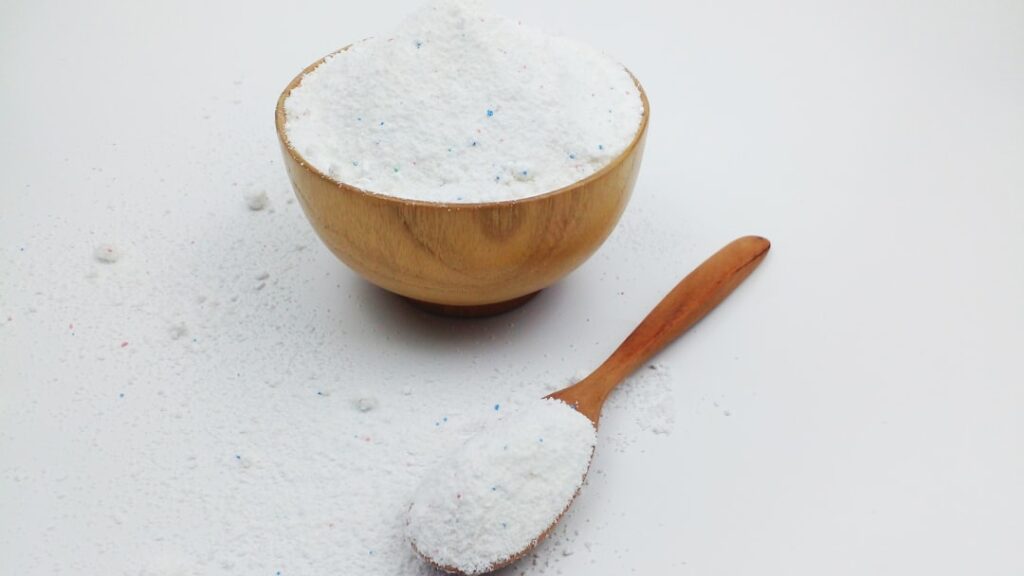
Powder is the easiest version to make and store. Here is a reliable ratio.
- Grate one bar of pure soap, about 4 to 5 ounces, into fine shreds using a box grater or food processor.
- Add 1 cup of washing soda.
- Add 1 cup of borax, or skip it for a two-ingredient version.
- Add half a cup of baking soda for extra freshness.
- Mix thoroughly and pour into an airtight container.
Use 1 to 2 tablespoons per regular load. Because the bars vary, run a small test load first and adjust. Powder dissolves best in warm or hot water; in cold cycles, dissolve your scoop in a cup of hot water before adding it to the machine.
Liquid Detergent Recipe
Liquid takes more effort but dissolves cleanly in cold water, making it ideal for energy-saving cold cycles.
- Grate one bar of soap and melt the shreds in 4 cups of hot water over low heat, stirring until fully dissolved.
- In a large bucket, combine 1 cup washing soda and half a cup of borax with about a gallon of hot water. Stir until dissolved.
- Pour the melted soap mixture into the bucket and add another gallon or two of warm water.
- Let it sit overnight. It will thicken into a loose gel; stir or shake before each use.
Use about a quarter cup per load. The texture may look lumpy or watery rather than like store-bought liquid, which is normal for soap-based formulas.
A Note on HE and Front-Load Machines
High-efficiency washers are designed for low-suds detergent. Soap-based homemade blends produce more foam, which can interfere with these machines and leave residue. If you own an HE or front-loading washer, use very small amounts, choose powder over liquid, and watch for buildup. Some manufacturers warn that homemade detergent may void warranties, so check your manual before committing.
Soap-Based vs Detergent-Based Cleaning
Most homemade recipes are technically soap, not detergent. The distinction matters in hard water, where dissolved minerals react with soap to form a sticky residue often called soap scum. Over many washes this can dull fabrics and build up in the machine. Adding washing soda helps soften the water and reduce this effect, but if you live in a hard-water area you may notice graying whites over time. A monthly hot wash with a cup of white vinegar in the rinse helps strip residue from both clothes and the drum.
Cost and Yield
A batch of powdered detergent made from one soap bar, a cup of washing soda, and a cup of borax typically yields 40 to 60 loads for just a few dollars in ingredients. Buying those staples in bulk drops the per-load cost even further. Compared with premium commercial detergents, many families save $50 to $150 a year, depending on how often they run the washer.
Safety and Storage Tips
Keep a few precautions in mind so your homemade supply stays safe and effective.
- Store all ingredients and finished detergent out of reach of children and pets. Borax and washing soda are not food-safe.
- Wear gloves if you have sensitive skin, since washing soda is alkaline and can dry the hands.
- Label your container clearly, especially the powder, which can resemble baking ingredients.
- Keep liquid batches in a sealed jug and shake before use, as the gel separates over time.
- Avoid airtight glass containers under pressure; a plastic tub or bucket works best.
Troubleshooting Common Problems
At D and G Flooring, we hear from homeowners whose laundry rooms take a beating from spills and residue, so a little troubleshooting goes a long way. If your clothes feel stiff, you are likely using too much soap or have hard water; cut the dose and add a vinegar rinse. If whites look gray, increase the washing soda slightly and wash in warmer water. If you notice residue in the machine, run an empty hot cycle with vinegar once a month. And if odors linger after washing, your soap-based blend may simply be too gentle for heavy gym laundry, in which case an occasional commercial wash or an oxygen booster can help.
Final Thoughts
Making your own laundry detergent is a satisfying, money-saving project that takes ingredients you can buy almost anywhere. Start with the simple powdered recipe, test it on a small load, and adjust the amounts to match your water and machine. Once you understand how to make homemade laundry detergent and how it behaves in your home, you can fine-tune the scent, strength, and texture to suit your family perfectly.