Deciding to make your own laundry soap is one of the highest-return small projects a homeowner can take on, and it takes about 15 minutes of hands-on time. A commercial jug of name-brand detergent runs $0.18 to $0.35 per load, while a homemade batch built from washing soda, borax, and grated bar soap costs roughly $0.05 to $0.10 per load. For a household that runs 8 to 10 loads a week, that gap adds up to $80 to $150 in savings a year, and you control exactly what goes into it.
Homemade laundry soap is not identical to commercial liquid detergent, and understanding that difference is the key to being happy with the results. Store-bought liquids are packed with surfactants, enzymes, and optical brighteners engineered in a lab. What you make at home is a straightforward soap-and-alkaline-booster combination that cleans well for normal soil levels, especially when paired with the right water temperature and wash habits. This guide covers both a powdered and a liquid recipe, real cost math, and the cautions that keep you out of trouble with high-efficiency machines.
The Core Ingredients and What Each One Does
Three ingredients do the heavy lifting. Washing soda, which is sodium carbonate, is the cleaning workhorse. It raises the water’s pH, softens hard water so soap works better, and helps lift grease and grime. Do not confuse it with baking soda, which is sodium bicarbonate and far weaker; a box of Arm and Hammer Washing Soda runs about $5 for 55 ounces and is sold in the laundry aisle.
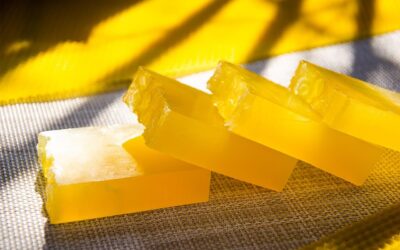
Borax, sodium tetraborate, is the second booster. It also softens water, deodorizes, and enhances the soap’s cleaning power, and a 65-ounce box of 20 Mule Team Borax costs around $6. The third component is a grated bar soap that provides the actual surfactant action. Fels-Naptha, a heavy-duty laundry bar that costs about $2 for a 5-ounce bar, is the classic choice for grease and stains. Zote, a larger 14-ounce bar around $2 that comes in white or pink, is a gentler, more fragrant alternative. Both grate easily on a box grater or, faster, in a food processor. Some people add a cup of OxiClean or a scoop of baking soda for extra brightening, which is optional.
The Powdered Laundry Soap Recipe
Powder is the easiest version to make and store, and it is the best starting point for beginners. Grate one bar of Fels-Naptha or Zote into fine flakes; a food processor turns it almost into a powder, which dissolves far better than coarse shreds. Combine the grated soap with one cup of washing soda and one cup of borax in a large bowl and stir thoroughly. If you want a brightening boost, add one cup of OxiClean and half a cup of baking soda.
Pulse the whole mixture in the food processor for another 20 to 30 seconds so everything is a uniform, fine consistency, which prevents soap chunks from surviving a cold wash. Store it in an airtight container with a tablespoon measure inside. Use one to two tablespoons per regular load, closer to two for heavily soiled or large loads. A single batch this size yields roughly 40 to 50 loads and costs about $4 to $5 in ingredients, landing you right around $0.08 to $0.10 per load. The powder keeps indefinitely as long as it stays dry.
The Liquid Laundry Soap Recipe
Liquid soap dissolves instantly, which makes it a better choice for households that wash in cold water, but it takes more effort and storage space. Grate one bar of soap into a saucepan with about 4 cups of water and heat on medium, stirring constantly, until the soap fully melts; never let it boil over. In a 5-gallon bucket, pour roughly 3 gallons of hot water, then stir in one cup of washing soda and one cup of borax until dissolved. Add the melted soap mixture and stir well.
Let the bucket sit overnight, and by morning it will thicken into a gel-like, sometimes lumpy consistency; that texture is normal for homemade liquid and does not affect performance. Stir or whisk it before each use, or transfer portions into old detergent jugs and shake before pouring. Use about half a cup per load. A 5-gallon batch produces roughly 160 loads for around $5 in ingredients, which pushes the cost down to about $0.03 to $0.05 per load, the cheapest option of all. The trade-off is that liquid takes up far more shelf space than a jar of powder.
Cautions for High-Efficiency (HE) Washers
High-efficiency washers are where homemade soap gets controversial, and the concerns are legitimate. HE machines use as little as 10 to 15 gallons per load versus 30 or more in older top-loaders, and they rely on low-sudsing detergent. Bar-soap-based mixtures can generate more suds than an HE machine is designed to handle, and excess suds cushion the clothes, reduce cleaning, and can trigger error codes.
If you run an HE washer, use half the normal dose, one tablespoon of powder or a quarter cup of liquid, and watch the suds level through the door on the first few loads. The bigger long-term risk is residue. True soap, unlike synthetic detergent, reacts with minerals in hard water to form soap scum that can build up in the machine’s crevices and on clothes over time, and borax can leave a film if it does not fully dissolve. To manage this, run a hot-water cleaning cycle with a cup of white vinegar monthly, and consider adding half a cup of vinegar to the fabric softener dispenser on regular loads to help rinse residue away. Many manufacturers void warranties if non-HE products cause problems, so if you are cautious, the powdered recipe used at a reduced dose is the safer path.
Softness, Scent, and Whitening Tips
Homemade soap can leave laundry feeling slightly stiffer than commercial detergent, because it lacks the synthetic softeners built into store brands. The best fix is cheap and effective: add half a cup of distilled white vinegar to the rinse cycle or fabric softener dispenser. Vinegar strips residual soap, softens fibers, and the smell rinses out completely, leaving nothing behind. Wool dryer balls, about $12 for a set of six, further soften loads and cut drying time by 10 to 25 percent.
Scent is entirely up to you. Homemade soap is nearly fragrance-free apart from a faint clean-soap smell, which many people prefer. To add scent, mix 20 to 40 drops of an essential oil like lavender or lemon into a batch, or add a few drops to your dryer balls before each load, which lasts longer than scent added to the wash. For whitening, washing soda and OxiClean handle most graying, but for whites you can add half a cup of oxygen bleach per load or hang items in direct sunlight, a genuinely effective natural brightener. Avoid chlorine bleach with homemade soap, as it can react unpredictably with the additives.
The Real Cost Breakdown
The savings are real, but it helps to see the math against your actual usage. Assume you buy the four core ingredients once: washing soda at $5, borax at $6, two bars of Fels-Naptha at $4, and an optional OxiClean tub at $8. That starting kit costs around $23 and produces several batches. A powdered batch yields 40 to 50 loads for about $4.50 in consumed ingredients, or roughly $0.09 per load. The liquid batch is even cheaper at around $0.04 per load.
Compare that to $0.25 per load for a mid-tier commercial detergent, and a household doing 500 loads a year spends about $125 store-bought versus $20 to $45 homemade. Over five years that is $400 to $525 kept in your pocket, before counting the reduced packaging waste and the fact that you avoid the dyes and synthetic fragrances some people react to. The one honest caveat is time: budget 15 to 20 minutes per batch, a few times a year. For most homeowners that trade is easily worth it, and once you have the routine down, making a batch is faster than a grocery run to buy detergent.
Is Making Your Own Laundry Soap Worth It?
For the majority of households with normal soil levels and moderately soft water, the answer is a clear yes. When you make your own laundry soap you save real money, control the ingredients, and get clean, fresh laundry with minimal effort. The results shine brightest on everyday loads washed in warm water, where the soap-and-booster combination easily handles typical body oils, food stains, and grime.
Set expectations honestly in a few situations. Very hard water, HE machines, and heavy grease or athletic-wear odor are the scenarios where homemade soap needs help, extra washing soda, a vinegar rinse, or a targeted stain pretreatment. If any of those describe your household, adjust the recipe rather than abandoning it. Start with a single powdered batch, run it for a couple of weeks alongside a vinegar rinse, and judge from there. Most people who try it never go back to buying detergent by the jug.