Most blizzard damage to a house is not caused by the snow itself. It comes from what the storm knocks out: power lines snapped by ice-heavy limbs, pipes that freeze once the furnace stops, and furnace or dryer vents buried under drifts. Knowing how to prepare for a blizzard means working through those failure points in the 24 to 48 hours between the forecast and the first flakes, while stores are open and roads are clear.
The short version: stock three to seven days of water, food, medications and batteries; protect plumbing on exterior walls; arrange a backup heat source that is safe to use indoors; trim or note limbs near your service line; and make sure every exhaust vent has a plan for staying clear. An ice storm adds one more priority, because a quarter inch of ice can add hundreds of pounds to a single tree limb, so power loss is more likely and may last longer.
- How to Prepare for a Blizzard: The First 48 Hours
- Protect Your Pipes Before Temperatures Drop
- Roof, Gutters and Trees: Reduce Load and Limb Damage
- Plan Backup Heat and Power Safely
- Keep Vents, Exits and Meters Clear of Snow
- Ice Storm Differences: What to Add
- Troubleshooting Common Storm Problems
- General Costs to Expect
- When to Call a Licensed Professional
- Frequently Asked Questions
Everything here is built for an imminent storm, not a seasonal tune-up. If the forecast gives you two days, work through it in order. If it gives you six hours, jump to supplies, pipes and heat.
How to Prepare for a Blizzard: The First 48 Hours
Start by confirming the forecast details that change your plan: expected snowfall, wind speed, ice accumulation and how long temperatures will stay below freezing. Heavy, wet snow over 12 inches raises roof load concerns. Freezing rain over a quarter inch raises outage risk sharply. Sustained winds above 35 mph create whiteout drifts that can bury low vents and block doors.
Then split the work into two lists. The shopping list should be done first, since shelves empty fast once a storm is named. The house list (pipes, vents, gutters, generator setup, yard items) can run through the evening before the storm arrives.
Supplies to buy or check
- Water: 1 gallon per person per day for at least three days, plus extra for pets
- Food that needs no cooking: canned goods, nut butter, crackers, cereal, dried fruit, plus a manual can opener
- Prescription medications for a week, plus a basic first-aid kit
- Flashlights or headlamps for each person and fresh batteries (skip candles where you can)
- A battery or hand-crank weather radio
- Phone power banks, charged before the storm
- Rock salt or pet-safe ice melt, a sturdy shovel and a roof rake if you have a single-story roof
- Warm layers, wool socks, hats and sleeping bags rated for cold
- Fuel for a generator or snow blower, stored outdoors or in a detached shed in approved containers
Fuel is the item people most often forget when they think about how to prepare for a blizzard. Fill vehicle tanks too. Gas stations need power to pump, and a car with a full tank can charge phones (outdoors only, never in an attached garage, even with the door open).
Protect Your Pipes Before Temperatures Drop
Frozen pipes are the most expensive common blizzard repair because a split line floods the house once it thaws. Pipes along exterior walls, in crawl spaces, unheated garages and under kitchen or bath sinks on outside walls are most at risk.
- Disconnect garden hoses and close the interior shutoff valve for each outdoor spigot, then open the spigot to drain it.
- Add foam pipe insulation to exposed lines in basements, crawl spaces and garages. Self-sealing sleeves go on in minutes.
- Open sink cabinet doors on exterior walls so warm room air reaches the plumbing.
- Keep the thermostat at 55°F or higher, day and night, even if you leave.
- Locate your main water shutoff and make sure it turns. Tag it so anyone in the house can find it.
- If the power fails and indoor temperatures fall toward freezing, let vulnerable faucets drip a pencil-thin stream of cold and hot water.
Heat cable (heat tape) helps on pipes that freeze every year, but it must be installed before the storm, plugged into a GFCI-protected outlet, and rated for the pipe material. Never wrap it over itself or cover it with insulation unless the maker’s instructions allow it.
Roof, Gutters and Trees: Reduce Load and Limb Damage
A roof built to modern code typically handles normal regional snow loads, but wet snow plus ice can exceed what an older or sagging roof was designed for. Clear gutters and downspouts before the storm so meltwater has somewhere to go; packed leaves help ice dams form at the eaves.
For limbs, walk the property in daylight and look up. Branches overhanging the roof, the driveway, or the service drop from the utility pole to your house are the ones that cause the most trouble. You can safely trim small, low limbs that are well away from wires with a pole saw from the ground. Never trim anything touching or near a power line; call your utility, which often clears limbs around service lines at no charge. Anything that requires climbing a tree or using a chainsaw overhead belongs to a licensed, insured tree service.
Ladder and roof safety
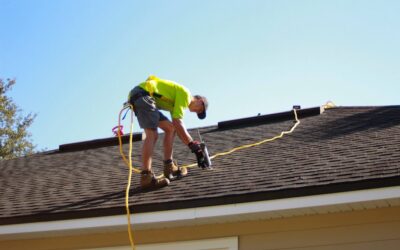
Do not go on the roof during or right before a winter storm. Icy shingles are one of the most common causes of serious falls. If you must use a ladder for gutters, do it on dry, clear ground, set it at a 4-to-1 angle, keep three points of contact, and have a second person hold the base. Anything on a two-story roof, or any roof with a steep pitch, should go to a pro. After the storm, a long-handled roof rake used from the ground can pull the bottom 3 to 4 feet of snow off a single-story roof edge without anyone climbing.
Plan Backup Heat and Power Safely
Long outages are the main threat in an ice storm, so decide in advance how you will stay warm without the furnace. Most forced-air furnaces, including gas units, need electricity for the blower and controls.
Carbon monoxide comes first
Test every carbon monoxide alarm now and replace batteries. You want a CO alarm on every level of the home and outside each sleeping area. Fuel-burning backup heat creates CO, and storm outages are when CO poisonings spike.
- Generators: run them outdoors only, at least 20 feet from doors, windows and vents, with the exhaust pointed away from the house. Never in a garage, basement, porch or crawl space, even with doors open.
- Grills and camp stoves: never use charcoal grills, propane grills or camp stoves indoors or in a garage, for cooking or heat.
- Fireplaces and wood stoves: use them only if the chimney was inspected within the past year, keep the damper open while anything is burning, and follow clearances in the manual.
- Indoor-rated fuel heaters: use only heaters labeled for indoor use, exactly per the label, with ventilation as required.
- Gas oven: never use an oven or range to heat a room.
If you smell gas at any point, leave the house right away and call the gas utility or 911 from outside. Do not flip switches or start a car in an attached garage on the way out.
Generator connections
A portable generator should power appliances through heavy-duty outdoor-rated extension cords, or through a transfer switch or interlock kit installed by a licensed electrician. Never backfeed a house by plugging a generator into a wall outlet. That can energize the utility line and kill a lineworker, and it can start a fire. Test-run the generator outdoors before the storm, and store fuel in approved containers away from the house.
If you are adding a transfer switch or any new circuit, schedule it well before winter. That work requires a licensed electrician and usually a permit. For any quick electrical task before the storm, such as replacing a cover plate, turn off the breaker and confirm power is off with a non-contact voltage tester first.
Keep Vents, Exits and Meters Clear of Snow
High-efficiency furnaces and water heaters often vent through PVC pipes on a side wall near the ground. When drifts bury those pipes, the appliance can shut down, or worse, exhaust can back up. Before the storm, mark each vent and intake with a tall stake so you can find it under snow. During and after the storm, clear at least 12 inches around each one, plus dryer vents, the gas meter and the outdoor heat pump unit.
Keep a shovel inside the house rather than the garage in case drifts block the garage door. Clear one exit path periodically during a multi-day storm so you are never trapped. Brush snow off the gas meter by hand or with a broom; a shovel or kick can damage the regulator.
Snow removal equipment
For a typical driveway and walk, a cordless snow blower handles 6 to 12 inches of light to moderate snow without fuel storage or pull-starting in the cold, and batteries can be charged ahead of the storm. Charge all batteries the day before. For deep, wet snow or long drives, a two-stage gas machine still clears faster. Either way, never clear a clog with your hand; shut it off and use the clearing tool.
Ice Storm Differences: What to Add
People asking how to prep for an ice storm should add a few items to the blizzard list. Ice brings down lines more than snow does, and restoration can take days in rural areas.
- Expect a longer outage, so plan for five to seven days of supplies.
- Park cars away from trees and power lines.
- Put sand or traction grit by every exterior door; salt works slowly in very cold weather.
- Assume every downed line is live. Stay at least 35 feet away and report it to the utility.
- Charge everything, then keep phones in low-power mode once the ice starts.
Troubleshooting Common Storm Problems
Furnace shut off and won’t restart: check the outdoor intake and exhaust pipes for snow, then the furnace filter and the furnace switch. If it still fails, call an HVAC technician; do not bypass safety switches.
A pipe froze: open the faucet it feeds and warm the pipe gently with a hair dryer or space heater on a dry floor. Never use an open flame. If you see a split or water spraying, close the main shutoff and call a plumber.
Ceiling stain or drip during the storm: an ice dam may be backing water under shingles. Catch the water, move belongings, and call a roofer for steam removal once it is safe.
CO alarm sounds: get everyone outside to fresh air immediately and call 911 or the fire department. Do not go back in until responders say it is safe.
General Costs to Expect
Basic storm supplies for a family typically run $100 to $300 if you are starting from scratch. Foam pipe insulation costs a few dollars per 6-foot length. A portable generator commonly runs $500 to $2,000 depending on size, and a professionally installed transfer switch or interlock kit often adds several hundred to $2,000 or more. Tree trimming near the house usually runs from a few hundred dollars for small jobs to well over $1,000 for large limbs. Frozen-pipe repairs and water cleanup can quickly reach thousands, which is why the cheap prevention steps pay off.
When to Call a Licensed Professional
Call a licensed electrician for transfer switches, generator inlets, or any new circuit. Call a licensed plumber for burst or split pipes. A licensed HVAC technician should handle furnaces that won’t restart after vents are clear, and only the gas utility or a licensed gas fitter should work on gas lines or meters. A roofer should handle ice dams, sagging roof sections, or snow removal on any roof you can’t reach safely from the ground, and a certified arborist should remove large limbs over the house. Book electrical and tree work before winter, since pros fill up fast once a storm is forecast.
Frequently Asked Questions
How can people prepare for a blizzard if they only have a few hours?
Prioritize water, medications, flashlights and charged phones, then drip faucets on exterior walls, test CO alarms, and stake your furnace vents. Those steps prevent the most common emergencies.
Should I shut off my water before a blizzard?
Only if you are leaving the house and the heat may fail. Shut off the main, open faucets to drain the lines, and consider having a plumber winterize the system for a long absence.
How much snow can a roof hold?
It depends on the roof’s design and local code. Wet snow is far heavier than powder, so watch for sagging, cracking sounds, or doors that suddenly stick, and call a roofer or structural pro if you notice them.
Is it safe to run a generator in the garage with the door open?
No. Generators belong outdoors only, at least 20 feet from doors, windows and vents. An open garage door does not keep carbon monoxide out of the house.
What temperature should I keep my house at during a blizzard?
Keep the thermostat at 55°F or higher so pipes inside walls stay above freezing, and open sink cabinets on outside walls.