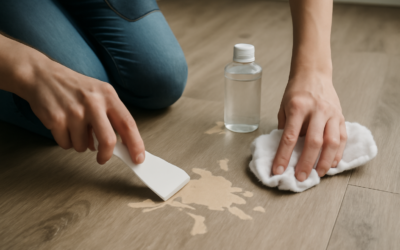
Acrylic paint is a favorite for crafts, walls, and art projects because it dries fast and lasts, which is exactly why it clings stubbornly to your hands. The good news is that knowing how to remove acrylic paint from skin rarely requires anything harsh. Acrylic is water based when wet and forms a flexible plastic film when dry, so the right approach depends entirely on whether the paint is still fresh or already hardened. With a few items you already own, you can get clean without scrubbing your skin raw or reaching for dangerous chemicals.
Part of our Paint & Walls guide — explore the full guide →
Act Fast: Removing Wet Acrylic Paint
If the paint is still wet, you are in luck. Acrylic is water soluble before it cures, so plain soap and warm water will lift it easily. Hold the area under warm running water and work a generous amount of hand soap or dish soap into a lather. Rub gently for thirty seconds to a minute, and the paint should rinse away. For paint caught in the creases of your knuckles or under your nails, a soft nail brush helps. The key is not to let it dry first, so wash up the moment you finish painting rather than later.
Removing Dried Acrylic Paint with Oil
Once acrylic dries into a film, water alone will not budge it, but you do not need solvents either. Oil breaks the bond between the paint film and your skin gently. Reach for whatever you have:
- Baby oil
- Olive oil or vegetable oil
- Coconut oil
- An oil-based lotion or even mayonnaise
Massage a small amount of oil into the dried paint and let it sit for a minute or two. The oil softens the edges of the film and loosens its grip. Then rub the area with your fingers or a soft cloth, and the paint should start to roll and flake off. Follow with soap and warm water to remove the oily residue.
Add Gentle Exfoliation
For paint that is really stuck in the ridges of your skin, combine oil with a mild abrasive to gently scrub it free. Mix a little oil with sugar, salt, or baking soda to make a paste, or use a store-bought sugar scrub. Rub the paste over the painted area in small circles, letting the gentle grit work the paint loose without irritating your skin. This works especially well on hands and fingertips where dried paint settles into the natural lines.
Rinse thoroughly and moisturize afterward, since exfoliating and oils can leave skin needing a little hydration.
Rubbing Alcohol for Stubborn Spots
When oil and exfoliation are not quite enough, rubbing alcohol (isopropyl alcohol) can dissolve the remaining paint. Dab a small amount onto a cotton ball and press it against the spot for several seconds, then rub gently. Alcohol is more drying than oil, so use it only on the small areas that need it, not all over your hands. Wash with soap and water right after, and apply lotion to counter the drying effect.
What to Avoid
It is tempting to grab the strongest thing in the garage, but harsh solvents are the wrong choice for your skin. Steer clear of these:
- Acetone or nail polish remover in large amounts, which is very drying and irritating
- Paint thinner, mineral spirits, or turpentine, which are meant for surfaces, not bodies, and can cause chemical burns
- Bleach or other household chemicals, which are dangerous on skin
- Aggressive scouring with stiff brushes or steel wool, which damages your skin
These products can cause irritation, dryness, and even chemical burns, and they are unnecessary because oil-based methods handle acrylic perfectly well.
Special Care for Sensitive Areas
Paint near the eyes, on the face, or on a child’s skin calls for extra gentleness. Use only mild soap and warm water or a tiny bit of baby oil applied with a soft cloth, and keep all products away from the eyes. If paint gets in someone’s eye, rinse with clean water and seek medical advice rather than experimenting with removers. For very young children, plain warm soapy water is almost always enough if you wash promptly.
Using a Sugar and Soap Scrub Together
One of the most effective all-in-one methods combines the loosening power of oil, the lifting of soap, and the gentle abrasion of sugar in a single step. Pour a small amount of liquid hand soap into your palm, add a teaspoon of sugar and a few drops of oil, and rub your hands together over a sink. Work the mixture into the painted areas for about a minute, paying attention to fingertips, knuckles, and around the nails where paint hides. Rinse under warm water and repeat if needed. This homemade scrub is gentle enough for daily use and works on both partly dried and fully cured acrylic without any harsh ingredients.
For paint trapped under and around your fingernails, a soft nail brush is your best friend. Dip it in soapy water, add a touch of oil, and scrub in small strokes. Avoid digging at the paint with anything sharp, which can damage the nail bed and cuticles.
Caring for Your Skin Afterward
Whatever method you use, removing paint can leave your skin feeling dry, especially if you reached for rubbing alcohol or did a lot of scrubbing. Always finish by washing with mild soap and warm water, then apply a good moisturizer or hand lotion to restore the natural oils you stripped away. If you paint frequently, dry, cracked hands are a common complaint, so make moisturizing part of your routine. People with sensitive skin or eczema should lean heavily on the gentlest options, oil and mild soap, and skip alcohol and aggressive exfoliation entirely to avoid irritation.
Prevent the Problem Next Time
A little preparation saves the cleanup hassle entirely. Before your next project, rub a thin layer of lotion or barrier cream onto your hands; it makes dried paint far easier to wash off. Wear disposable gloves for big jobs, and keep a damp cloth nearby to wipe splatters before they cure. With these habits and the gentle removal methods above, acrylic paint on your skin becomes a minor, quickly solved annoyance rather than a scrubbing battle.