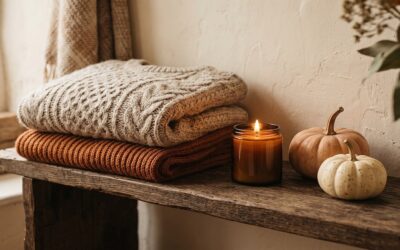
Hanging sweaters is the single most common closet mistake. Cashmere stretches at the shoulders, cotton sags at the hem, and chunky wool develops permanent hanger dents within weeks. Learning how to store sweaters in closet systems properly preserves shape, prevents moth damage, and triples how many sweaters fit in the same square footage. The right approach takes one afternoon and lasts for years.
Why Folding Beats Hanging
Gravity stretches knitwear. A cashmere sweater on a wood hanger gains a quarter inch at the shoulders within three months and never fully recovers. Wool blends and cotton knits behave similarly. The fibers also catch and snag against rough hanger edges, leading to pilling and small tears at the shoulder seam.
Folding distributes the weight evenly and lets fibers relax. The KonMari vertical fold preserves shape best for thin knits, while the standard rectangle fold works for chunky wool that needs more support. Both methods extend useful sweater life by three to five years.
Prep the Closet Space
Measure the depth of your existing shelves. Standard wire shelving from ClosetMaid measures 12 inches deep, which suits most sweaters folded once. Cabinet-style closets from California Closets or The Container Store’s Elfa system run 14 to 16 inches deep, giving room for taller stacks or stored boxes behind.
Plan one shelf per sweater category: heavy wool, lightweight knits, cardigans, and cashmere. Group by weight first, then by color within each category. This sounds fussy until you realize how often you grab the wrong thickness on a cool morning and waste 30 seconds redoing the rotation.
The Right Folding Technique
- Lay the sweater face down on a flat surface
- Fold both sleeves toward the center, parallel to the body
- Fold one side of the body in by one-third of the width
- Fold the other side over to create a long rectangle
- Fold the bottom up to meet the shoulders, creating a square
For vertical filing in drawers, fold the rectangle again in thirds, making a compact bundle that stands on its edge. The Container Store’s Drawer Organizers at $25 to $45 hold 8 to 12 sweaters per drawer in vertical alignment.
Shelf Dividers and Bins
Stacks taller than four sweaters topple and lose their order within a week. Acrylic shelf dividers from The Container Store at $9 to $14 each maintain crisp vertical stacks. Clear plastic bins from IRIS at $15 to $25 each let you see contents while keeping dust off seasonal storage.
For high shelves above 72 inches, use lidded fabric bins from Open Spaces or House of Holland with labels facing forward. This stores out-of-season sweaters out of sight without forcing you to drag down a stepstool just to check what is inside.
Hanging the Few Sweaters That Need It
Heavy structured cardigans with buttons or zippers tolerate hanging if you use the right hanger. Velvet flocked hangers from The Container Store at $20 for 50 grip the fabric without pinching. Skip wire hangers entirely; they leave permanent shoulder dents.
For long cardigans or sweater coats, use a padded satin hanger that distributes weight across a wider shoulder line. Better still, fold over a padded sweater rod, which eliminates shoulder stress entirely. Avoid clip hangers, which leave puncture marks on knit fabric.
Moth and Pest Protection
Clothes moths and carpet beetles target natural fibers including wool, cashmere, alpaca, and silk blends. The American Museum of Natural History identifies Tineola bisselliella as the most common culprit in residential closets, with damage typically beginning in spring and fall.
- Cedar blocks or planks from Woodlore at $15 to $30 per bag release a natural oil that deters moths for 6 to 9 months before needing a light sanding
- Lavender sachets from California Englishwoman at $12 to $20 each refresh seasonally and smell better than cedar
- Mothballs work but contain naphthalene or paradichlorobenzene, both EPA-regulated chemicals with strong odors that linger in fabric for weeks
- Hermetic storage in vacuum bags or sealed bins prevents access entirely during off-season storage
Always store sweaters clean. Body oils, food residue, and skincare products attract pests and stain over time. Dry clean wool and cashmere at season-end, or hand wash in The Laundress Wool and Cashmere Shampoo at $20 per bottle.
Seasonal Rotation Strategy
Twice yearly, in October and April, swap sweaters between active and storage zones. Use the top closet shelves or under-bed storage for off-season pieces. Vacuum-sealed bags from Spacesaver compress bulky knits by 60 to 75 percent but should not be used long-term on cashmere, which loses loft when crushed for months.
Photograph stored bins and tape the photo to the front for quick reference. This sounds extreme but saves the inevitable December scavenger hunt for that one specific cable knit you forgot about.
Humidity and Temperature Control
Closets that hit 70 percent relative humidity develop musty odors and encourage mold growth on wool. Aim for 40 to 55 percent humidity in stored areas. Damp-Rid moisture absorbers at $7 per container handle small closets, while a small dehumidifier like the Eva-Dry E-333 at $25 covers walk-ins.
Avoid storing sweaters near exterior walls in cold climates, where condensation can form during winter temperature swings. Interior walls and central closets maintain more stable conditions year-round.
Putting It All Together
Set aside a Saturday morning, pull every sweater out, and group by category. Wash or dry clean anything that has been worn this season. Fold using the rectangle method, divide stacks with acrylic separators, and label off-season bins clearly. Knowing how to store sweaters in closet space turns chaos into a system that preserves expensive knitwear for years and gives you back roughly half your shelf space at the same time.