Quartz gets marketed as the flawless, worry-free countertop, so it comes as a genuine shock when a homeowner stands in their finished kitchen and thinks, I hate my quartz countertop. If that is you, know first that you are not alone and not crazy. Quartz has real limitations that glossy showroom samples never reveal, and the disappointment usually traces back to a handful of specific, predictable issues. The good news is that some complaints have practical fixes, and even where they do not, understanding exactly what went wrong helps you make a smarter choice next time. Let us break down the honest reasons regret sets in.
Part of our Countertops guide — explore the full guide →
The Most Common Reasons for Regret
When someone tells a contractor I hate my quartz countertop, the complaint almost always falls into one of a few buckets. Naming the real problem is the first step toward deciding whether it is fixable or a matter of managing expectations.
- It looks too perfect or fake: the uniform, printed veining can read as artificial next to natural stone.
- Heat damage: a hot pan left too long scorched or discolored the surface.
- Seams are visible: the joints between slabs are more obvious than expected.
- The color looks different than the sample: a small chip never predicts a whole kitchen.
- Staining or clouding: certain chemicals and prolonged sun exposure caused discoloration.
Each of these has a different cause and a different remedy, so pinpointing yours matters before you resign yourself to living with it or tearing it out.
The “Too Perfect” Problem
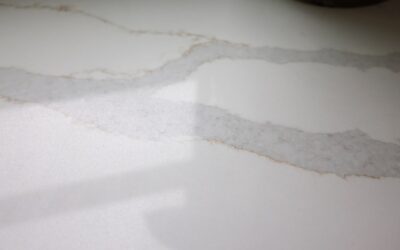
Ironically, the very consistency that sells quartz is what many owners come to dislike. Because quartz is engineered from ground stone and resin with printed or laid-in veining, a large run can look repetitive and machine-made, lacking the random depth of real marble or granite.
This is largely a selection issue rather than a defect. Newer premium quartz lines mimic natural stone far more convincingly, with irregular veining and translucency, but budget lines still look flat and printed. If the artificial look bothers you, the honest truth is that a different quartz brand or pattern, or a switch to natural stone, is the only real cure. It is worth viewing a full slab, not a 4-inch sample, before any future purchase.
Heat Damage and What It Means
Here is the limitation that surprises people most: quartz is not heat-proof. The resin binder that holds the stone together softens and yellows under high heat, so setting a pan straight off the burner onto quartz can leave a permanent scorch mark, discoloration, or even a crack from thermal shock. Most manufacturers rate quartz safe only to around 300°F and explicitly warn against direct pan contact.
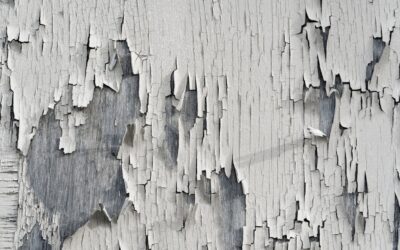
If your regret stems from a heat mark, the damage is usually permanent because it happened within the resin. Minor surface scorching can sometimes be lightened by a professional, but deep discoloration typically cannot be sanded out the way natural stone can. The lasting fix is prevention: always use trivets and hot pads, no exceptions.
Dealing With Visible Seams
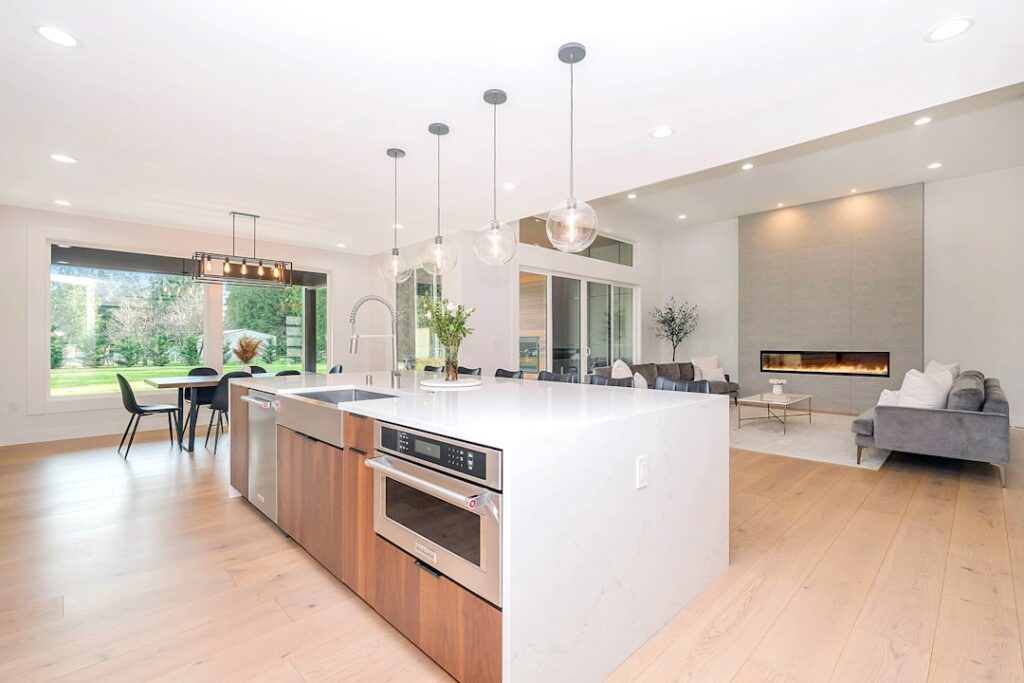
Seams disappoint a lot of homeowners who expected a monolithic look. Quartz slabs come in finite sizes, so any island or long run over roughly 10 feet needs a seam, and the joint is always at least faintly visible up close. Poor installation makes it worse, with uneven color matching, a lippage height difference, or a gap filled with mismatched adhesive.
Where a seam is genuinely botched, a professional can sometimes re-cut and re-epoxy it for a cleaner line. If it was simply placed in a high-visibility spot, that is a planning failure worth flagging for any future job; good fabricators locate seams in low-traffic, less-noticeable areas and color-match the filler carefully. Ask to approve seam placement before fabrication next time.
Staining, Clouding, and Chemical Damage
Quartz resists staining better than granite, but it is not invincible. Harsh chemicals do real harm: bleach, oven cleaner, drain cleaner, nail polish remover, and other strong solvents can break down the resin and leave a dull, whitish, or discolored patch. Prolonged direct sunlight can also fade or yellow some quartz colors over years, which is why quartz is not recommended for outdoor kitchens.
If you have a cloudy or dull spot from a chemical spill, try a gentle quartz-safe cleaner and a non-abrasive pad first. Light hazing sometimes lifts. Deeper resin damage, however, is often permanent. Going forward, clean quartz only with mild soap and water or a dedicated quartz cleaner, and wipe spills of anything acidic or solvent-based immediately.
What Can Actually Be Fixed
Before you commit to the expense of replacement, run through what is genuinely repairable versus what is not. It helps to be realistic about each.
- Fixable: minor chips on an edge can be filled with color-matched epoxy by a pro.
- Fixable: a badly done seam can sometimes be re-worked.
- Fixable: light surface haze or soap film usually cleans off.
- Not fixable: heat scorch, deep chemical clouding, and the fundamental look of the pattern.
Because quartz cannot be refinished or resealed the way marble can be honed, the surface you have is largely the surface you keep. That reality is what pushes many unhappy owners toward the replacement question.
When Replacement Makes Sense
If the problem is the appearance itself, or damage that cannot be repaired, weigh replacement honestly against the cost. New countertops for an average kitchen run roughly $2,500 to $6,000 installed depending on material and square footage, so it is not a decision to make on a bad day.
Consider whether a different material would serve you better. If you loved the idea of an organic, one-of-a-kind look, natural quartzite or marble delivers it, though marble demands more care. If heat resistance is your priority, granite tolerates hot pans far better than quartz. If budget is tight, high-end laminate and butcher block have improved dramatically. Take what you learned from disliking your current surface and let it guide the next choice. Feeling I hate my quartz countertop is frustrating, but it is also useful information, pointing you toward a material that fits how you actually cook and live.
How to Choose Better Next Time
Most quartz regret is really a shopping-process problem, and a few habits prevent it. The single biggest mistake is judging a whole kitchen from a 4-inch sample chip. Patterns that look subtle on a small square can turn busy, repetitive, or garish across ten feet of counter.
- View the actual full slab you will receive, not just a sample, at the fabricator’s yard before you buy.
- Bring cabinet doors and flooring samples to check undertones together under the same light.
- Ask about the resin percentage and heat rating so you know the surface’s limits going in.
- Confirm and approve seam placement in writing before fabrication begins.
- Look at completed installations of the same color, in photos or in person, to see how it reads at full scale.
Spending an extra hour at the slab yard is the cheapest insurance against years of daily disappointment. Fabricators expect this and welcome informed buyers, so do not feel awkward asking to see and photograph the exact slab.
Living With Quartz You Cannot Replace
Replacement is not always in the budget, and if you are stuck with a surface you dislike, there are ways to make peace with it. If the issue is a look that feels too cold or flat, warm up the room around the counter: add wood open shelving, brass hardware, a colorful backsplash, or warm pendant lighting to shift the eye away from the counter and balance the palette.
If the problem is a specific damaged area, a good cutting board, a decorative tray, or a strategically placed appliance can hide a scorch or stain until you are ready to replace. Focus your renovation energy and dollars on the elements that bother you most, and remember that countertops, while prominent, are only one layer of a kitchen. Sometimes reframing the surrounding design turns a counter you hated into one you simply stop noticing, which is its own kind of win while you save for the change you really want.