Quartz overtook granite as America’s best-selling countertop material years ago, and the gap keeps widening in every remodeling industry survey since. That did not happen because of marketing. The quartz benefits that drive the trend are practical ones you feel every day: a surface that never needs sealing, shrugs off wine and coffee, arrives exactly the color you picked from the sample, and carries some of the longest warranties in the industry. Having fabricated and lived with most of the alternatives, here is an honest accounting of why quartz keeps winning, along with the handful of trade-offs the brochures gloss over.
Part of our Countertops guide — explore the full guide →
- What Engineered Quartz Actually Is
- Durability That Handles Real Kitchens
- Nonporous Means No Stains and No Sealing
- Consistency: The Slab Matches the Sample
- Design Range From Marble Looks to Solid Color
- Low Maintenance You Will Actually Keep Up With
- Warranties and Long-Term Value
- The Honest Trade-Offs
- Who Quartz Suits Best
What Engineered Quartz Actually Is
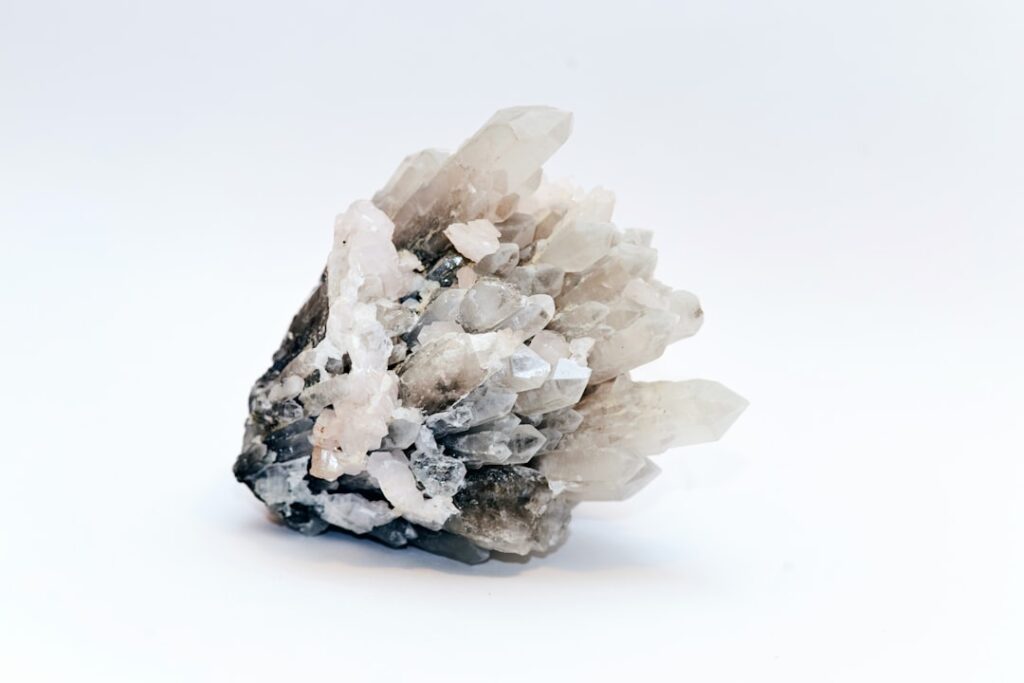
Quartz counters are engineered slabs, roughly 90 to 93 percent crushed natural quartz aggregate bound with 7 to 10 percent polymer resin and pigment, compacted under vacuum and vibration, then cured into dense sheets. Standard slabs run about 120 by 55 inches, with jumbo sizes near 130 by 65 inches that let many kitchen islands go seam-free. Because the recipe is controlled in a factory rather than dictated by geology, manufacturers can tune color, pattern, and consistency in ways nature never allows, which is the root of several advantages below.
Durability That Handles Real Kitchens
Natural quartz crystal scores a 7 on the Mohs hardness scale, harder than the steel of a kitchen knife, which measures around 5.5. In daily use that means dragged pans, dropped utensils, ceramic mugs, and the occasional careless slice against the surface leave no mark on a quality slab. Chips are rare and almost always occur at sink edges or overhangs from impact with heavy cast iron, and a fabricator can usually fill a small chip with color-matched resin for $150 to $350.
The resin content also gives quartz a slight flexural advantage over granite. Slabs tolerate minor cabinet settling and transport stress with fewer cracks, and fabricators can run longer unsupported overhangs, typically up to 12 to 14 inches on 3 centimeter material before steel bracing is required. Fifteen-year-old quartz installations routinely look nearly new, which is not something anyone says about laminate or butcher block.
Nonporous Means No Stains and No Sealing
The resin binder fills every microscopic void during manufacturing, so finished quartz absorbs almost nothing, with water absorption around 0.02 percent versus 0.4 percent or higher for many granites. Red wine, coffee, beet juice, and cooking oil sit on the surface until wiped away, even after a night you forgot about them. Compare that to marble, where a lemon wedge left an hour etches a dull mark into the polish, or unsealed granite, where oil leaves a dark halo that has physically soaked in.
Nonporous also ends the sealing calendar. Granite wants an impregnating sealer every one to two years, at $150 to $300 per professional visit or a weekend of DIY with a $30 quart of penetrating sealer. Quartz never takes sealer at all, and the same closed surface denies bacteria and mold anywhere to colonize. Leading brands carry NSF/ANSI 51 food-contact certification, which is why quartz now dominates commercial prep areas and healthcare millwork, not just home kitchens.
Consistency: The Slab Matches the Sample
Pick a granite from a three-inch showroom chip and the slab that arrives may run darker, busier, or veined in ways the sample never hinted. Buying natural stone responsibly means visiting the yard and tagging your exact slabs, an extra errand many homeowners never learn about until installation day disappoints them. Quartz eliminates the gamble. A Cambria Brittanicca or Caesarstone Calacatta Nuvo sample is a faithful preview of the material that shows up, and when a kitchen needs three slabs, all three match in tone and pattern.
Consistency extends across time, too. Crack a section five years from now, or extend the counters during a later remodel, and your fabricator can usually order the same color and blend the addition invisibly. With natural stone, matching a discontinued lot borders on impossible.
Design Range From Marble Looks to Solid Color
Because pigment and pattern are engineered, the design catalog is enormous. Convincing Calacatta and Statuario marble looks are the category’s best sellers, delivering the dramatic veining of a $180 per square foot marble at half the price with none of the etching. Beyond the marble impersonators, you can specify pure concrete grays, warm solid creams, deep charcoals, terrazzo-style flecks, and finishes from high polish to suede and honed matte textures that natural stone offers only sporadically.
Full-height backsplashes, waterfall island ends, and integrated drainboard grooves are all straightforward because slabs are dimensionally predictable. Designers reach for quartz partly because they can commit to a rendering knowing the delivered material will match it.
Low Maintenance You Will Actually Keep Up With
Daily care is dish soap, warm water, and a soft cloth. Dried spills yield to a plastic scraper or a nylon scrub pad, and a 50/50 mix of isopropyl alcohol and water handles greasy film or disinfecting. That is the entire regimen, forever. There is no wax, no polish, no enhancer, no annual ritual to forget. For busy households, the honest benefit is not that maintenance is easy but that there is essentially nothing to neglect. The counter cannot deteriorate because you skipped a treatment it never needed.
The don’ts are equally short. Keep undiluted bleach, oven cleaner, and other high-pH chemicals off the surface, since they attack the resin binder rather than clean it, and skip abrasive powders and steel wool that can dull the factory polish over time. Honed and suede finishes show fingerprints and oils a little more readily than polished slabs and appreciate a quick daily wipe, but the products and effort involved never change. Compare that against oiling butcher block monthly, waxing concrete quarterly, or babying marble away from every citrus wedge, and the gap in real-world livability becomes obvious within the first year of ownership.
Warranties and Long-Term Value
Manufacturer confidence shows up in the paperwork. Cambria backs its residential installations with a transferable full lifetime warranty, Silestone offers 25 years, and Caesarstone provides a lifetime residential warranty as well, terms no natural stone quarry can match because no one warranties geology. On resale, quartz counters are a line-item real estate agents actually mention. Remodeling cost-versus-value data consistently shows minor kitchen remodels anchored by new counters recouping 70 to 95 percent at sale, and quartz reads as current to buyers in a way that speckled builder granite increasingly does not.
Installed pricing typically runs $50 to $150 per square foot, with entry programs like MSI Q and LG Viatera starting near the bottom of that band and premium Cambria designs at the top. A standard 55 square foot kitchen lands around $3,500 to $7,000 installed, generally within one to two weeks of digital template and set in a single day.
The Honest Trade-Offs
Quartz is not the right answer everywhere, and the failure points are worth knowing before you buy. Heat is the big one: the resin scorches around 300 degrees F, so a skillet straight off the burner can leave a permanent ring where granite would not care. Trivets are mandatory. UV exposure yellows the resin over time, which rules out outdoor kitchens and warrants some thought under huge unshaded windows. Seams, while tight, are visible on busy veined patterns if your layout requires them, and very cheap no-name imported slabs can carry higher resin content that dulls and scratches more easily than the major brands. Buy from an established manufacturer and the material delivers on every promise above; buy the cheapest slab on the internet and results vary.
Who Quartz Suits Best
For a working family kitchen, a rental you want durable, a bathroom vanity that sees hair products daily, or any homeowner who wants the counter to be the one surface in the house that never asks for anything, quartz is the strongest all-around choice on the market. Cooks who habitually land hot pans on the counter, outdoor entertainers, and buyers chasing truly one-of-a-kind natural movement should weigh granite, porcelain, or quartzite instead. Everyone else has already voted, and the sales numbers show it: the practical benefits of quartz are exactly the ones that matter at 7 a.m. on a Tuesday, and that is why it keeps winning.