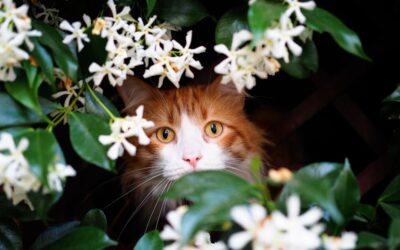
Cats chew on leaves. It is an instinct rooted in their wild ancestors, and no amount of training fully eliminates the behavior. That makes choosing indoor plants safe for cats a non-negotiable step for any pet owner who wants greenery at home. The ASPCA Poison Control Center fields over 100,000 calls per year related to pet poisoning, and common houseplants like lilies, pothos, and sago palms rank among the top offenders. Fortunately, dozens of beautiful, easy-care species pose zero risk to your feline.
Part of our Windows & Doors guide — explore the full guide →
How to Verify a Plant Is Cat-Safe
The ASPCA maintains a searchable online database of toxic and non-toxic plants for cats, dogs, and horses. Before purchasing any houseplant, search its botanical (Latin) name on the ASPCA website, not just the common name. Many plants share common names across species, and one variety may be safe while another is deadly. Your local nursery staff may not know the distinction, so verify independently every time.
Top Non-Toxic Plants for Every Room
Spider Plant (Chlorophytum comosum)
Spider plants thrive in indirect light, tolerate inconsistent watering, and produce cascading baby plantlets that make propagation effortless. They are completely non-toxic to cats, though some felines find the dangling shoots irresistible to bat at. Hang them in a macrame planter to keep the foliage out of easy reach while still enjoying the visual effect.
Boston Fern (Nephrolepis exaltata)
Lush, arching fronds make the Boston fern a classic choice for bathrooms and shaded corners. It prefers humidity above 50% and consistent moisture, making it ideal near showers or kitchen sinks. Completely safe for cats and dogs, though the shedding fronds can be messy during dry winter months.
Calathea (Calathea spp.)
Calatheas, also sold under the Goeppertia genus, are prized for their patterned leaves that fold upward at night like praying hands. Varieties like Calathea orbifolia, medallion, and rattlesnake are all cat-safe. They need filtered light and distilled or rainwater to avoid brown leaf tips from chlorine and fluoride in tap water.
Areca Palm (Dypsis lutescens)
Standing 4-8 feet tall indoors, the areca palm adds a tropical architectural element to living rooms and entryways. It is non-toxic to cats, filters indoor air effectively, and tolerates moderate light conditions. Water when the top 2 inches of soil feel dry, and mist weekly to prevent spider mites.
Peperomia (Peperomia spp.)
With over 1,500 species, peperomias offer incredible variety in leaf shape, color, and texture. Watermelon peperomia, raindrop peperomia, and baby rubber plant are all popular, cat-safe choices. They stay compact, rarely exceeding 12 inches tall, making them perfect for desks, shelves, and windowsills.
Polka Dot Plant (Hypoestes phyllostachya)
Bright pink, white, or red speckled leaves make this a standout accent plant. It stays small and bushy, thrives in bright indirect light, and is completely non-toxic. Pinch back leggy growth regularly to maintain a compact shape.
African Violet (Saintpaulia spp.)
One of the few cat-safe plants that blooms reliably indoors year-round. African violets prefer east-facing windows with gentle morning light and bottom watering to keep leaves dry. They cost as little as $5-$8 per plant at garden centers and grocery stores.
Plants You Must Avoid
Some of the most popular houseplants are highly toxic to cats. Even a small nibble can cause vomiting, kidney failure, or death. Remove these from your home immediately if you have cats:
- Lilies (Lilium and Hemerocallis species) — all parts are toxic; even pollen on fur that is licked off can cause fatal kidney failure
- Pothos (Epipremnum aureum) — causes oral pain, swelling, and vomiting
- Sago Palm (Cycas revoluta) — extremely toxic; ingestion is fatal in 50% of cases
- Dieffenbachia (Dumb Cane) — contains calcium oxalate crystals that cause intense mouth burning
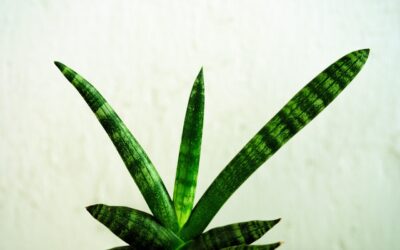
- Snake Plant (Dracaena trifasciata) — mildly toxic, causing nausea and vomiting
- Philodendron — all species contain calcium oxalate and irritate the mouth and digestive tract
Keeping Cats Away From Plants
Even with non-toxic plants, constant chewing damages foliage and can cause mild stomach upset. Bitter apple spray applied to leaf edges deters most cats without harming the plant. Placing river rocks or decorative pebbles over the soil surface prevents digging, which is another common cat behavior around potted plants.
Elevated shelves, wall-mounted planters, and hanging baskets keep greenery out of casual reach. Some owners dedicate a pot of cat grass (wheatgrass) near the floor as a sanctioned chewing alternative, which redirects the behavior away from your decorative plants.
Care Tips for a Cat-Friendly Plant Collection
Avoid using chemical fertilizers that pool on the soil surface or systemic insecticide granules, as curious cats may lick or eat treated soil. Opt for organic, slow-release fertilizer spikes pushed deep into the pot where paws cannot reach them. Neem oil diluted at the labeled rate is a safer pest treatment than synthetic sprays in homes with pets.
Always use pots with drainage holes and saucers to prevent root rot. Standing water in saucers can attract cats looking for a drink, so empty them after watering. A pet water fountain placed near your plant collection gives cats a more appealing hydration source and reduces their interest in plant saucers.
Building a Safe Indoor Garden
Start with three to five proven cat-safe species and observe how your cat interacts with them over a few weeks. Some cats ignore plants entirely, while others treat every leaf as a toy. Once you know your cat’s behavior pattern, expand your collection confidently using the ASPCA database as your constant reference. A home filled with lush, non-toxic greenery is completely achievable without compromising your pet’s safety.