Clean interior windows do more than look nice; they let in more light, make a room feel larger, and reveal grime you never noticed on the frames and sills. Done right, indoor window cleaning takes only a few minutes per window and leaves glass clear and streak-free. Done wrong, you end up with smears, lint, and the frustrating realization that the window looks worse than when you started.
Part of our Windows & Doors guide — explore the full guide →
This guide covers the tools, solutions, and technique that professional cleaners use, plus how to handle screens, sills, and tricky spots so your windows stay crystal clear.
Tools You Will Need
You do not need expensive equipment, but the right basic tools make a huge difference. Reaching for paper towels and a spray bottle is the most common reason home window cleaning ends in streaks. Gather these instead:
- A squeegee with a quality rubber blade, ideally 10 to 14 inches wide for standard windows.
- Microfiber cloths, which are lint-free and far better than paper towels or cotton rags.
- A scrubber or sponge to loosen dirt before you squeegee.
- A bucket for your cleaning solution.
- A drop cloth or old towel to catch drips along the sill and floor.
For interior glass, a squeegee plus microfiber combination produces the cleanest result. If you prefer a spray-and-wipe approach for small panes, two microfiber cloths, one for washing and one for buffing dry, work well.


Choosing or Making a Cleaning Solution
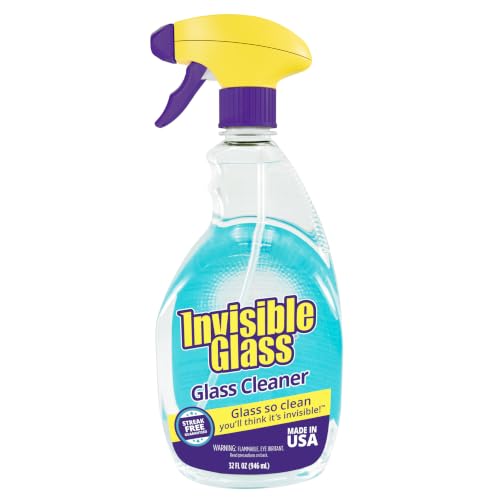
Commercial glass cleaners work, but a simple homemade solution is cheaper and just as effective. A reliable mix is a few drops of dish soap in a bucket of warm water, which cuts through dust, fingerprints, and kitchen film. For an extra streak-free finish, add 1/4 cup of white vinegar per quart of water.
Avoid using too much soap; excess suds leave a residue that streaks as it dries. If you live in an area with hard water, distilled water in your final solution prevents mineral spots. Skip ammonia-based cleaners on tinted windows, since they can damage the coating over time.
Step-by-Step Indoor Window Cleaning
A consistent method is what separates streaky glass from spotless glass. Work top to bottom so drips fall onto areas you have not cleaned yet, and tackle one window at a time.
- Dust first. Wipe the frame, sill, and glass with a dry microfiber cloth or vacuum brush to remove loose dust. Wetting dust just creates muddy streaks.
- Wash the glass. Dip your scrubber or sponge in the solution and wash the entire pane, working from the top down and scrubbing any stuck-on spots.
- Squeegee. Start at a top corner and pull the squeegee down in straight, slightly overlapping strokes. Wipe the blade with a clean cloth after each pass.
- Detail the edges. Run a dry microfiber cloth around the perimeter and into the corners where water collects.
- Buff if needed. Polish away any remaining haze with a second dry microfiber cloth.
Squeegee Technique
If you are new to a squeegee, try the reverse-S motion: pull down from the top, curve across, and pull down again, keeping the blade in contact with the glass the whole time. Always dry the blade between strokes so you are not redepositing dirty water.
The Secret to Streak-Free Glass
Streaks come from three main causes: too much cleaning product, drying in direct sunlight, and using lint-shedding materials. Address all three and you will rarely see a streak.
- Use a light hand with cleaning solution and never let suds dry on the glass.
- Clean interior windows out of direct sun so the solution does not evaporate before you wipe it.
- Choose microfiber over paper towels and newspaper, both of which leave lint.
- Replace your rinse water once it turns cloudy.
If streaks still appear after drying, they are often on the opposite side of the glass. Wipe in horizontal strokes on the inside and vertical strokes on the outside, so you can instantly tell which side a streak is on.
Cleaning Frames, Sills, and Tracks
Sparkling glass set in a grimy frame still looks dirty, so do not skip the surrounds. Vacuum the window tracks first to lift loose dirt and dead insects, then wipe them with a damp cloth. A cotton swab or an old toothbrush dipped in soapy water reaches into the corners of the tracks where dust packs in.
Wipe wood, vinyl, or metal frames with a mild soapy cloth and dry them promptly to prevent water spots and mildew. For stubborn buildup in tracks, a paste of baking soda and water lifts grime, followed by a vinegar rinse and a dry wipe.
Dealing With Screens and Blinds
While the window is open, give the screen a quick clean too. Pop it out, brush off loose dust with a soft brush, then wash it gently with soapy water and rinse. Let screens dry fully before reinstalling so they do not transfer grime back onto fresh glass.
Dust blinds and wipe down windowsills at the same time, since these surfaces shed dust onto the glass between cleanings. Tackling everything in one pass keeps the whole window looking clean longer.
How Often and Keeping Glass Clear
For most homes, interior windows need a thorough cleaning two to four times a year, though kitchens and rooms with pets or smokers may need monthly attention. Quick spot-cleaning of fingerprints and smudges with a microfiber cloth between deep cleans keeps glass looking fresh with little effort.
A few habits stretch the time between cleanings: keep a microfiber cloth handy for stray smudges, run the exhaust fan while cooking to cut greasy film, and address splashes near sinks promptly. Keeping houseplants and humidifiers a little distance from the glass also reduces water spotting and dust accumulation over time.
With the right tools and a steady top-to-bottom technique, indoor window cleaning becomes a quick, satisfying task rather than a dreaded chore. Set aside an hour for a whole room, work one window at a time, and you will be surprised how much more daylight reaches every corner once the glass is truly clear.