A poorly executed loft-style bath looks like an unfinished basement. A well-designed industrial bathroom feels like a modern loft retreat with character that softens over time. The difference comes down to material restraint, intentional warmth, and knowing which raw textures to feature versus hide. This guide walks through the elements that work, the ones that fail, and the budget you should plan around.
Part of our Bathroom Remodeling & Flooring guide — explore the full guide →
What Defines the Style
Industrial design borrows from early-1900s factories and warehouses. The hallmarks are exposed brick or concrete, blackened steel, reclaimed wood, visible plumbing, Edison bulbs, and large-format windows or factory-style mullions. In a bathroom, the look needs softening — bare concrete and metal alone read cold and uninviting in a space where you want comfort.
The fix is layering. Pair a polished concrete sink with a walnut floating vanity. Mount black iron pipe shelving against a soft white wall. Hang an Edison-style sconce above a textured stone backsplash. Two raw materials plus one warm one is the working formula.
Flooring Options That Hold Up
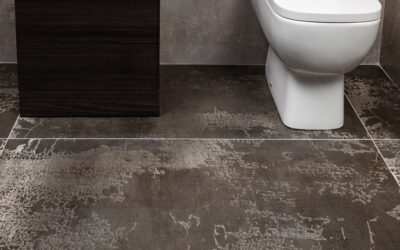
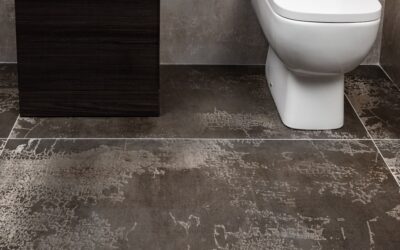
Concrete floors are the obvious choice but require either an existing slab or significant subfloor reinforcement. Stained and sealed concrete runs $6 to $15 per square foot installed. For a more practical option, large-format porcelain tile in concrete-look (24×24 or 24×48) costs $7 to $12 per sq ft and delivers the same visual without the moisture concerns.
Reclaimed wood-look luxury vinyl plank is another path. Brands like Coretec Plus and Shaw Floorte Pro produce barn-wood patterns that work beautifully under a freestanding tub. Stay away from real reclaimed wood in the bathroom — moisture warps it within a year.
Walls: Brick, Concrete, or Faux
Real exposed brick in a bathroom is rare unless you live in a converted warehouse. The faux brick veneer panels from Z-Brick or NextStone cost $5 to $9 per sq ft and install over drywall with construction adhesive. Seal them with a matte masonry sealer to prevent water absorption near the shower.
Concrete walls can be created with skim-coat micro-cement products like Ardex Pandomo or SureCrete Eco-Stain, which run $4 to $8 per sq ft in materials. Both deliver a true cement look without pouring actual concrete.
Vanities and Sinks That Anchor the Room
Floating vanities with steel frames and reclaimed-wood tops define the look. West Elm and CB2 sell finished options for $700 to $1,400, or a custom welder can build a 48-inch frame for $400 to $600 plus a $200 wood top. Vessel sinks in concrete, hammered copper, or matte black porcelain sit on top — Native Trails and Kohler Cairn are the standout brands.
Pair the vanity with exposed-trap plumbing in oil-rubbed bronze or matte black. Standard chrome P-traps undermine the entire aesthetic.
Plumbing Fixtures: Black, Brass, or Bronze
Skip polished chrome and brushed nickel — they read too modern for industrial. Matte black is the most popular finish (Delta Trinsic, Moen Genta, Kohler Purist), followed by oil-rubbed bronze and unlacquered brass. Unlacquered brass develops a living patina, which fits the style perfectly but requires accepting that the finish will change over time.
Wall-mounted faucets with cross handles or industrial lever handles cost $250 to $600 from brands like Watermark, Newport Brass, and Signature Hardware.
Lighting That Makes or Breaks the Look
Edison bulbs in cage sconces are the cliche but they work when chosen carefully. Look for fixtures with real cast-iron or steel construction rather than painted plastic. Schoolhouse Electric, Rejuvenation, and Barn Light Electric sell authentic options starting around $180 each.
Layer at least three light sources: a vanity sconce or pair, an overhead pendant or flush-mount, and an accent light over the tub or shower. Use 2700K to 3000K color temperature for warmth — anything cooler kills the mood.
Showers and Tubs With Industrial Edge
Walk-in showers with blackened steel framing and clear glass are the signature move. A custom steel-framed enclosure from Gridscape or DreamLine French Linea runs $1,200 to $2,800. Finish the interior with concrete-look porcelain tile or large-format slabs to keep grout lines minimal.
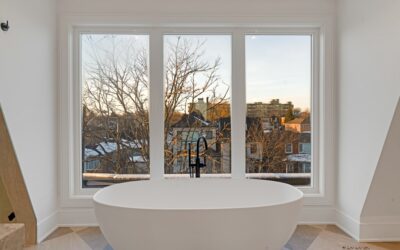
Freestanding tubs in matte black or copper anchor the room when you have space. The Kingston Brass Aqua Eden cast-iron clawfoot in matte black ($1,400) and the Signature Hardware copper double-slipper ($2,800) are the popular choices.
Budget Breakdown
A complete industrial bathroom remodel ranges $15,000 to $45,000 depending on size and material grade. Here is a working mid-range budget for a 60 sq ft bath:
- Concrete-look porcelain floor and shower tile: $1,500
- Floating steel-and-walnut vanity with vessel sink: $1,800
- Matte black faucet, shower kit, and accessories: $1,200
- Custom blackened-steel shower enclosure: $2,000
- Edison sconces and pendant: $700
- Faux brick or micro-cement wall treatment: $600
- Labor (plumbing, electrical, tile setting): $8,000
Frequently Asked Questions
Does this style feel cold?
Only if you forget to layer warm materials. Reclaimed wood, brass fixtures, soft textiles, and warm 2700K lighting make the space inviting instead of clinical.
Can I do industrial style in a small bathroom?
Yes. Stick to a wall-mounted vanity, a single statement light, and one feature wall — usually concrete or faux brick behind the vanity. Avoid heavy framing in tight spaces.
Is concrete countertop practical in a bathroom?
With proper sealing, yes. Use a food-safe penetrating sealer and reapply every 1-2 years. Expect to pay $85 to $150 per sq ft for a custom concrete vanity top.
What flooring works best in an industrial bathroom?
Large-format concrete-look porcelain tile is the best balance of authenticity, durability, and water resistance. Real concrete is the gold standard but requires the right substrate.
How do I keep the look from feeling unfinished?
Add one polished or refined element to every raw one. A live-edge wood shelf above exposed pipe, a brushed brass faucet against matte black, or framed art on a concrete wall keeps the space intentional rather than incomplete.