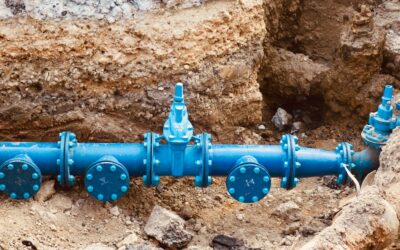
When a sprinkler head snaps off and starts geysering across the lawn, the difference between a minor fix and a flooded yard is knowing exactly which valve to turn and where it is. Irrigation shut off valve types range from the main isolation valve that kills water to the whole system to the individual zone valves that control each watering circuit, and each has a specific job. Confusing them, or not having the right one installed, leads to water damage, frozen pipes in winter, and repairs you cannot make without draining the entire system. This guide sorts out the valves so you know what you have and what you may need.
- The Layers of an Irrigation System
- 1. Ball Valves
- 2. Gate Valves
- 3. Zone Control Valves (Solenoid Valves)
- 4. Anti-Siphon and Backflow Valves
- 5. Drain Valves
- Comparison of Main Shut-Off Options
- How to Choose the Right Valve
- Finding and Testing Your Shut-Off
- Valve Materials: Brass vs. PVC
- Winterizing With Your Valves
- Troubleshooting a Zone That Won't Shut Off
- Frequently Asked Questions
- What is the best valve type for a main irrigation shut-off?
- What is the difference between a zone valve and a shut-off valve?
- Why is my gate valve leaking or stuck?
- Do I need a backflow preventer on my irrigation system?
- How do I shut off my sprinkler system in an emergency?
- What is a rain shutoff valve or rain sensor?
- Can an irrigation system have both a rain shutoff and an automatic controller?
- What is the difference between a shut-off valve and a ball valve?
- The Bottom Line
The Layers of an Irrigation System
A typical residential sprinkler system has valves at three levels: the main supply shut-off that isolates the whole irrigation system from your home’s water, the backflow preventer with its own isolation valves, and the individual zone valves that turn each section of sprinklers on and off. Understanding this hierarchy is the key to troubleshooting and winterizing.
1. Ball Valves
The workhorse main shut-off in modern systems is the ball valve. A lever-operated valve with a bored ball inside, it turns a quarter-turn (90 degrees) from fully open to fully closed, giving you fast, positive shut-off and a clear visual of its state, lever inline with the pipe means open, lever crosswise means closed. Ball valves are durable, rarely leak, and handle full pressure well. They are the preferred choice for the main irrigation isolation valve and for backflow preventer isolation. Expect $10 to $30 for common sizes.
2. Gate Valves
Older systems often use gate valves, a round wheel handle that raises and lowers an internal gate to control flow. They require multiple turns to open or close and do not give an at-a-glance status. Gate valves are prone to wearing out, the stem seals leak and the gate can seize partially open after years of disuse, which is a common failure in older irrigation setups. If you have a gate valve as your main shut-off and it is balky, replacing it with a ball valve is a worthwhile upgrade.
3. Zone Control Valves (Solenoid Valves)
These are the automatic valves that the controller opens and closes to run each watering zone. An electric solenoid on top receives a low-voltage signal from the timer and opens a diaphragm valve to send water to that zone’s sprinkler heads. They usually sit grouped in a valve box or manifold underground. Most have a manual bleed screw or a solenoid you can twist to open the zone by hand for testing. Brands like Rain Bird, Hunter, and Toro dominate this category, with valves running $15 to $40 each.
4. Anti-Siphon and Backflow Valves
Backflow prevention is code-required to keep irrigation water, and any lawn chemicals, from being siphoned back into your drinking water. Common types include the atmospheric vacuum breaker, pressure vacuum breaker (PVB), and reduced pressure zone (RPZ) assembly, the RPZ offering the highest protection for systems with fertilizer injection. These assemblies include their own ball-valve isolation valves and test cocks. Many jurisdictions require annual professional testing of the backflow device.
5. Drain Valves
In cold climates, manual or automatic drain valves at the low points of the system let you empty the pipes before winter to prevent freeze damage. Automatic drain valves open when pressure drops; manual ones you open by hand during winterization. Systems without drain valves must be blown out with compressed air each fall.
Comparison of Main Shut-Off Options
- Ball valve: quarter-turn, fast, reliable, clear open/closed status, best modern choice.
- Gate valve: multi-turn, older technology, more prone to leaking and seizing.
- Zone/solenoid valve: electrically controlled, one per watering zone, not a main shut-off.
How to Choose the Right Valve
For the main irrigation shut-off, install a full-port brass or heavy PVC ball valve sized to your supply line, typically 3/4-inch or 1-inch. For zone control, match the solenoid valve brand and size to your existing manifold and controller voltage (24V AC is standard). Always include a backflow preventer that meets your local plumbing code, and add drain valves or plan for compressed-air blowouts if you experience hard freezes. When in doubt about the main line or backflow assembly, use a licensed irrigation contractor, since improper backflow protection is both a code violation and a health risk.
Finding and Testing Your Shut-Off
Locate your main irrigation shut-off before an emergency. It is usually near the water meter, in a basement or crawlspace where the irrigation line branches off, or in a valve box near the backflow preventer outside. Turn it fully off and on once a season so it does not seize. Label it clearly so anyone in the household can find it fast when a line bursts.
Valve Materials: Brass vs. PVC
The material of a shut-off valve affects durability and where it belongs. Brass ball valves are the most robust, resist corrosion, handle temperature swings, and are the standard for the main isolation valve and backflow assembly connections, expect $15 to $40 for common sizes. PVC ball valves cost less, $8 to $20, and work fine on downstream low-pressure sections and buried lines, but they become brittle with UV exposure, so any PVC valve above ground should be shielded or insulated. For the critical main shut-off that you will operate for years, spend the extra few dollars on brass; for zone manifolds and drain points, PVC is perfectly adequate.
Winterizing With Your Valves
In freeze-prone climates, your valves are the tools that protect the whole system from cracked pipes each fall. The sequence matters:
- Shut off the main irrigation isolation valve to stop water entering the system.
- Turn off the controller or set it to the off/rain mode.
- Open the drain valves at the low points, or connect an air compressor to blow the lines out zone by zone.
- Open each zone valve in turn (manually or through the controller) so compressed air pushes water out of every circuit.
- Leave the backflow preventer’s test cocks slightly open and insulate the assembly, since it sits above ground and is the most freeze-vulnerable part.
Skipping this routine is how homeowners end up with burst backflow devices and split manifolds that cost hundreds to repair in spring. A blow-out by a pro runs $50 to $100, cheap insurance if you do not own a suitable compressor.
Troubleshooting a Zone That Won’t Shut Off
A zone that runs continuously usually points to a stuck solenoid valve, often a bit of debris lodged under the diaphragm. Shut off the main valve, open the zone valve, and clean the diaphragm and seat, or replace the diaphragm kit for a few dollars. A valve that will not turn on at all is more often an electrical fault, a broken controller wire or failed solenoid, which you can confirm by testing the solenoid manually at the valve.
Frequently Asked Questions
What is the best valve type for a main irrigation shut-off?
A full-port ball valve. Its quarter-turn operation gives fast, reliable shut-off and a clear visual of open or closed, and it resists the leaking and seizing that plague older gate valves. Brass or heavy-duty PVC ball valves are the standard modern choice.
What is the difference between a zone valve and a shut-off valve?
A shut-off (isolation) valve, usually a ball valve, stops water to the whole system or a major section and is operated by hand. A zone valve is an electric solenoid valve that the controller opens automatically to run one watering circuit at a time.
Why is my gate valve leaking or stuck?
Gate valves have stem seals and an internal gate that wear, corrode, and seize, especially after years of sitting in one position. That is a common failure in older systems. Replacing it with a quarter-turn ball valve solves the problem long term.
Do I need a backflow preventer on my irrigation system?
Yes, almost universally by plumbing code. A backflow preventer stops irrigation water and any lawn chemicals from being drawn back into your drinking water. Many areas also require annual professional testing of the device, so keep it maintained and certified.
How do I shut off my sprinkler system in an emergency?
Turn the main irrigation isolation valve, usually a ball valve near the water meter or backflow preventer, to the closed position. Locate and label it in advance, and exercise it once a season so it turns freely when you actually need it.
What is a rain shutoff valve or rain sensor?
A rain shutoff device, usually called a rain sensor, stops automatic watering after enough rain falls. Most use discs that swell when wet and break the circuit between the controller and the zone valves, so no zone opens until the discs dry out. Some states and cities require one on new automatic sprinkler systems to cut water waste.
Can an irrigation system have both a rain shutoff and an automatic controller?
Yes, and that is the normal setup. The rain sensor wires into the controller’s sensor terminals or into the common wire running to the zone valves, and the controller keeps its full schedule while the sensor simply skips watering during and after rain. Wireless sensors and smart controllers that use local weather data do the same job.
What is the difference between a shut-off valve and a ball valve?
A shut-off valve describes the job, stopping water flow, while a ball valve is one type of valve that can do that job. Gate valves, globe valves, and ball valves can all serve as shut-offs. For irrigation main lines, the quarter-turn ball valve is the preferred shut-off because it closes fast, shows its position clearly, and rarely seizes.
The Bottom Line
The main irrigation shut off valve types you will encounter are ball valves (the reliable modern standard), aging gate valves (worth upgrading), electric zone solenoid valves for each circuit, backflow assemblies required by code, and drain valves for freeze protection. Know where your main shut-off is, keep it a quarter-turn ball valve, protect your potable water with a proper backflow device, and exercise every valve seasonally. Do that and you will control your sprinkler system confidently instead of scrambling when a line lets go.