I’ve installed epoxy flooring in everything from single-car garages to 20,000-square-foot commercial warehouses, and the question I hear most often is simple: is epoxy flooring expensive? The honest answer is that it depends entirely on what you’re comparing it to, the type of epoxy system you choose, and whether you’re hiring a professional or going the DIY route. After more than 15 years in the flooring industry, I can tell you that epoxy often delivers exceptional value per square foot — but the upfront cost can surprise homeowners who haven’t done their homework.
Part of our Epoxy, Concrete & Garage Floors guide — explore the full guide →
In this guide, I’ll break down every cost factor associated with epoxy flooring, compare it against popular alternatives, and help you figure out whether it’s the right investment for your space.
- Average Cost of Epoxy Flooring
- Factors That Affect Epoxy Flooring Cost
- DIY vs. Professional Installation Costs
- Types of Epoxy and Their Price Ranges
- Epoxy vs. Alternative Flooring Costs
- Long-Term Value and Maintenance Costs
- Hidden Costs Most People Miss
- Where Epoxy Flooring Makes Financial Sense
- Frequently Asked Questions

Average Cost of Epoxy Flooring
Let me give you the numbers straight. For a professionally installed epoxy floor coating in 2026, you’re looking at anywhere from $3 to $12 per square foot. That’s a wide range, so let me narrow it down based on what I see in practice.
Residential Epoxy Flooring Costs
For a standard two-car garage (roughly 400–500 square feet), professional epoxy installation typically runs between $1,500 and $4,500. A basic single-coat system with solid color sits at the lower end, while a multi-coat system with decorative flakes or metallic pigments pushes toward the higher end. The national average I’ve seen across my projects lands around $2,800 for a quality two-car garage job.
For interior residential spaces like basements, the cost tends to run slightly higher — $4 to $10 per square foot — because the prep work is more involved and homeowners typically want a more refined finish.
Commercial Epoxy Flooring Costs
Commercial projects generally cost $3 to $12 per square foot, but the per-square-foot price often drops on larger installations. I’ve quoted 10,000-square-foot warehouse floors at $3.50 per square foot and 500-square-foot commercial kitchens at $8 per square foot. The difference comes down to coating thickness, chemical resistance requirements, and the condition of the existing concrete.
Factors That Affect Epoxy Flooring Cost
After pricing hundreds of epoxy projects, I can identify several key factors that swing the final number significantly.
Concrete Condition and Preparation
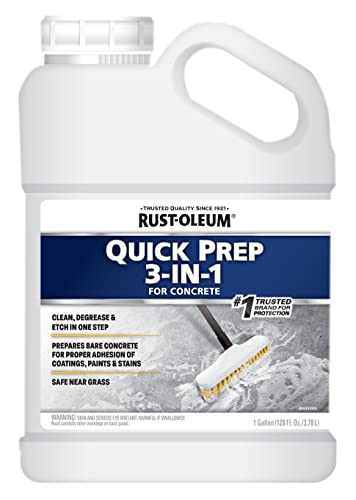
This is the single biggest variable most people overlook. If your concrete slab is in good condition with minimal cracks, prep work is straightforward — diamond grinding and cleaning. But if you’ve got moisture issues, significant cracks, spalling, or old paint or coatings that need removal, prep costs can add $1 to $3 per square foot to your project. I’ve seen concrete prep alone cost more than the epoxy materials on neglected floors.
Square Footage
Larger projects benefit from economies of scale. A 200-square-foot area might cost $8 per square foot, while a 2,000-square-foot space could come in at $4 per square foot with the same coating system. The fixed costs of mobilization, equipment setup, and edge work get spread across more area.
Number of Coats
A basic epoxy system includes a primer coat and one coat of epoxy. A premium system might include a primer, a base coat, a broadcast layer (like decorative flakes), and a clear topcoat. Each additional coat adds material cost and labor time. A single-coat system might cost $3 per square foot while a four-coat system could run $8 to $10.
Geographic Location
Labor rates vary dramatically by region. In the Southeast, I’ve seen professional installations quoted at $3 per square foot for basic systems. The same job in the Northeast or on the West Coast might be $5 to $7. Urban areas typically cost 20–30% more than rural locations.
Desired Finish and Aesthetics
A solid-color epoxy is the most affordable option. Adding vinyl flakes increases cost by $0.50 to $1.50 per square foot. Quartz broadcast systems add $1 to $3. Metallic epoxy — the showstopper finish that creates those swirling, three-dimensional effects — adds $2 to $5 per square foot over a basic system.
DIY vs. Professional Installation Costs
I’m going to be straightforward with you: the cost gap between DIY and professional epoxy installation is significant, but so is the gap in results.
DIY Epoxy Costs
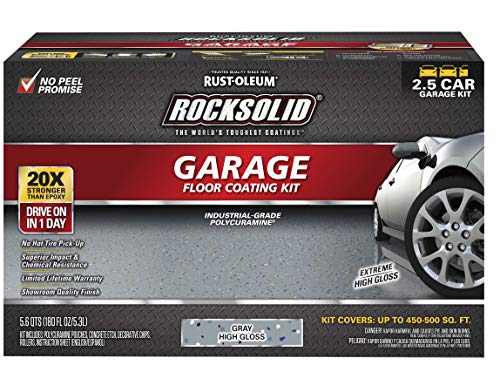
A basic DIY epoxy garage floor kit from a home improvement store runs $50 to $150 and covers a one-car garage. For a two-car garage, expect to spend $100 to $300 on materials. Higher-quality commercial-grade DIY kits from specialty suppliers cost $200 to $600 for a two-car garage.
So on a per-square-foot basis, DIY materials cost $0.50 to $2.00 — a fraction of the professional price. You’ll also need to rent a concrete grinder ($150–$250 per day) and buy cleaning supplies, patching compound, and application tools ($50–$100).
Total DIY cost for a two-car garage: $300 to $1,000.
Why Professional Installation Costs More
Professional installers use industrial-grade epoxy products that aren’t available at retail stores. These products are thicker, more durable, and bond better to concrete. Professional-grade epoxy alone costs $0.80 to $2.50 per square foot in materials.
The labor component typically runs $2 to $5 per square foot and includes diamond grinding (not just acid etching), proper moisture testing, crack repair, and multi-coat application with correct cure times between coats.
The Real Cost of DIY Failures
Here’s what I see regularly: homeowners who applied a DIY kit that peeled within six months come to me for a professional redo. Now they’re paying to strip the failed coating (adding $1–$2 per square foot) plus the full professional installation cost. That DIY “savings” turned into spending 150% of what professional installation would have cost originally. I estimate that about 30–40% of my residential jobs are redo projects from failed DIY attempts.
Types of Epoxy and Their Price Ranges
Not all epoxy systems are created equal, and the type you choose has a massive impact on both cost and performance.
Water-Based Epoxy ($1.50–$3.50/sq ft installed)
Water-based epoxy is the most affordable professional option. It’s thinner, easier to apply, and has low VOC emissions. However, it’s also the least durable option and typically lasts 3–5 years in a garage setting. I recommend water-based epoxy for light-duty residential applications or as a temporary solution.
Solvent-Based Epoxy ($3–$5/sq ft installed)
Solvent-based systems offer better penetration and adhesion than water-based products. They’re more durable and chemical-resistant, lasting 5–10 years under normal use. The trade-off is higher VOC emissions during application, which requires proper ventilation.
100% Solids Epoxy ($5–$10/sq ft installed)
This is the professional standard for high-performance floors. With zero solvents, what you apply is what you get — no material is lost to evaporation. A 100% solids system creates a thicker, harder, more chemical-resistant coating that lasts 10–20 years or more. It’s what I install for commercial clients and homeowners who want a floor that truly lasts.
Metallic Epoxy ($7–$12/sq ft installed)
Metallic epoxy uses metallic pigments suspended in clear epoxy to create stunning visual effects. Every floor is unique. It’s the premium choice for showrooms, man caves, and high-end residential spaces. The material cost is higher and application requires significant skill to achieve consistent results.
Polyaspartic/Polyurea Hybrid ($6–$12/sq ft installed)
Technically not pure epoxy, polyaspartic coatings are often grouped with epoxy systems. They cure faster (allowing one-day installation), resist UV yellowing better, and perform well in extreme temperatures. The premium price reflects superior performance and faster return-to-service times.
Epoxy vs. Alternative Flooring Costs
To truly answer whether epoxy is expensive, you need to compare it against the alternatives. Here’s how it stacks up for common applications.
Epoxy vs. Polished Concrete
Polished concrete costs $3 to $12 per square foot, putting it in the same range as epoxy. However, polished concrete requires a concrete slab in excellent condition — if yours has significant flaws, the cost to repair before polishing can exceed epoxy costs. Epoxy actually hides imperfections better, which can make it the more economical choice for older floors.
Epoxy vs. Interlocking Garage Tiles
Interlocking tiles cost $3 to $8 per square foot for materials, and most homeowners can install them without professional help. They’re a strong DIY-friendly alternative. However, tiles can shift over time, trap moisture underneath, and don’t provide the seamless, easy-to-clean surface that epoxy does.
Epoxy vs. Vinyl Flooring
Luxury vinyl plank or tile costs $2 to $7 per square foot installed. It’s competitive on price but isn’t suitable for garages or heavy-duty commercial applications. For basements and interior spaces, vinyl is often the more practical choice unless you need chemical resistance or a completely seamless surface.
Epoxy vs. Ceramic Tile
Ceramic or porcelain tile installed in a commercial kitchen or workshop costs $8 to $15 per square foot. Epoxy provides better seamless coverage, easier maintenance, and is typically $2 to $5 cheaper per square foot. For commercial kitchens, I almost always recommend epoxy or urethane over tile because grout lines harbor bacteria and are difficult to maintain.
Epoxy vs. Concrete Paint
Concrete paint costs $0.50 to $1.50 per square foot applied. It’s the cheapest option by far, but it also wears out fastest — typically within 1–2 years in a garage. Over a 10-year period, you’d repaint 5–7 times, making the total cost comparable to or higher than a one-time professional epoxy installation.
Long-Term Value and Maintenance Costs
When I talk to clients about epoxy flooring cost, I always frame it in terms of long-term value, not just upfront price.
Lifespan and Durability
A professionally installed 100% solids epoxy floor in a residential garage will last 15–20 years with proper maintenance. In commercial settings with heavier traffic, expect 7–15 years before recoating is needed. Compare that to concrete paint (1–2 years), DIY epoxy kits (2–5 years), or interlocking tiles (5–10 years before replacements are needed).
Maintenance Costs
Epoxy floors are remarkably low-maintenance. You’re looking at occasional sweeping and mopping — maybe $20 per year in cleaning supplies. There’s no waxing, sealing, or specialized treatment needed. The main maintenance task is keeping abrasive grit swept up, as sand and dirt ground under tires or foot traffic can gradually dull the surface.
Cost Per Year Analysis
Let me do the math for a 450-square-foot garage over 20 years:
- Professional epoxy ($3,000): $150 per year over 20 years
- DIY epoxy kit ($400, reapplied every 4 years): $400 per year over 20 years
- Concrete paint ($200, reapplied every 2 years): $500 per year over 20 years
- Interlocking tiles ($2,500, replaced at year 10): $250 per year over 20 years
When you look at it this way, professional epoxy is actually the most affordable long-term option despite having the highest upfront cost.
Hidden Costs Most People Miss
After years in this business, I’ve identified several costs that catch people off guard.
Moisture Testing and Mitigation
If your concrete slab has moisture vapor transmission issues, you’ll need a moisture mitigation system before any epoxy can be applied. This can add $2 to $4 per square foot and is absolutely non-negotiable — skip it, and your epoxy will delaminate within months. About 25% of the residential projects I quote require some level of moisture mitigation.
Concrete Repair
Cracks, spalling, and divots need to be repaired before coating. Minor patching might add $100 to $300 to a garage project. Significant concrete repair can cost $500 to $2,000 depending on severity.
Downtime and Inconvenience
A professionally installed epoxy garage floor requires 3–5 days of cure time before you can drive on it. That means parking outside, which is an inconvenience factor to consider. Polyaspartic systems reduce this to 24 hours but cost more upfront.
Moving and Replacing Items
Your garage or space needs to be completely empty for installation. If you need professional help moving heavy items like workbenches, storage systems, or equipment, budget $200 to $500 for moving services.
Removal of Existing Coatings
If there’s already paint, a failed epoxy, or another coating on the concrete, removing it adds cost. Shot-blasting or diamond grinding to remove old coatings typically adds $1 to $2 per square foot.
Where Epoxy Flooring Makes Financial Sense
Based on my experience, here are the applications where epoxy delivers the best return on investment.
Garage Floors
This is epoxy’s sweet spot. The durability against tire traffic, chemical resistance against oil and fluids, and easy-clean surface make it the best long-term value for garages. A quality garage floor coating also adds to your home’s resale value — real estate agents tell me a finished garage floor can add $5,000 to $10,000 in perceived home value.
Commercial and Industrial Spaces
For warehouses, manufacturing facilities, and commercial kitchens, epoxy’s seamless surface, chemical resistance, and ability to withstand heavy equipment traffic make it a clear winner on value. The cost per square foot is competitive with alternatives, and the reduced maintenance costs compound over time.
Basements
If you’re finishing a basement and want a durable, moisture-resistant floor, epoxy is worth considering — but only after addressing any moisture issues. For a basement that stays dry, epoxy provides excellent value. For basements with any moisture concerns, I’d steer you toward vinyl plank instead.
Where Epoxy May Not Be Worth the Cost
For living rooms, bedrooms, and other primary living spaces, epoxy isn’t the right choice. It’s hard underfoot, acoustically loud, and the industrial aesthetic doesn’t suit most residential interiors. For outdoor spaces, epoxy isn’t suitable as UV exposure and temperature cycling cause premature failure. And for renters or short-term situations, the upfront investment doesn’t have time to pay off.
Frequently Asked Questions
Is epoxy flooring cheaper than tile?
In most cases, yes. Epoxy flooring typically costs $3 to $12 per square foot installed, while quality tile installation runs $8 to $15 per square foot including materials and labor. Epoxy also eliminates the ongoing maintenance cost of grout cleaning and resealing. For garages, workshops, and commercial spaces, epoxy is almost always cheaper than tile while providing superior seamless coverage.
How much does it cost to epoxy a 2-car garage?
For a standard two-car garage of 400 to 500 square feet, professional epoxy installation costs between $1,500 and $4,500 depending on the coating system and condition of the concrete. A basic solid-color system falls at the lower end, while a multi-coat metallic or quartz system reaches the higher end. DIY kits cost $200 to $600 for the same space, but results vary significantly.
Does epoxy flooring add value to a home?
Yes, a professionally installed epoxy garage floor can add perceived value to your home. While it won’t show up directly in an appraisal like a kitchen remodel, real estate professionals report that a finished garage floor makes homes more attractive to buyers and can contribute to faster sales and offers at or above asking price. The estimated value-add is $5,000 to $10,000 in competitive markets.
How long does epoxy flooring last?
Professional-grade epoxy flooring lasts 15 to 20 years in residential settings and 7 to 15 years in heavy commercial environments. DIY epoxy kits typically last 2 to 5 years. The lifespan depends on the epoxy type, concrete preparation quality, traffic volume, and maintenance. Recoating when the surface begins to show wear can extend the total life of the system indefinitely.
Is DIY epoxy flooring worth it?
DIY epoxy can be worth it if you have realistic expectations, choose a quality commercial-grade kit, properly prepare the concrete with diamond grinding (not just acid etching), and follow all application instructions precisely. However, the failure rate for DIY epoxy is high — I estimate 30 to 40 percent of homeowner-applied coatings fail within the first two years due to inadequate prep or improper application. If you’re not confident in your surface preparation skills, professional installation often saves money in the long run.