Ask three contractors how expensive is hardwood flooring and you may get three very different numbers, because the price depends on the wood species, whether it is solid or engineered, the grade, and the cost of installation in your area. As a broad picture, a hardwood floor typically runs between about $6 and $25 per square foot installed, with most homeowners landing somewhere in the middle. Understanding what drives that range helps you budget accurately and spot a fair quote. This guide breaks down the costs, the factors behind them, and smart ways to save.
- The Big Picture on Cost
- Solid vs. Engineered Hardwood
- How Wood Species Affects Price
- Installation Costs and What They Include
- Site-Finished vs. Prefinished
- Other Factors That Move the Price
- Smart Ways to Save
- Is Hardwood Worth the Cost?
- Hardwood vs. Cheaper Alternatives
- Long-Term Cost and Value
- Getting an Accurate Estimate
- The Bottom Line
The Big Picture on Cost
Hardwood flooring cost has two main parts: the material and the installation. Material is the per-square-foot price of the wood itself, and labor is what an installer charges to prepare the subfloor and lay the floor. As general US market ranges, materials run roughly $3 to $14 per square foot, and professional installation adds about $3 to $10 per square foot. Combine them and most projects fall in the $6 to $25 per square foot installed range, with premium and exotic woods pushing higher. These are illustrative figures; your local market and project details set the real price.
Solid vs. Engineered Hardwood
The type of hardwood significantly affects cost and performance. Both give you a real-wood surface, but they are built differently.
- Solid hardwood: A single piece of timber that can be refinished many times and last generations. Materials typically run $5 to $14-plus per square foot. It is the traditional, long-term investment.
- Engineered hardwood: A real wood veneer over a stable plywood core, more resistant to humidity and often easier to install. Materials commonly run $4 to $12 per square foot. Better products can be refinished once or twice.
Engineered wood can be the more cost-effective and practical choice in humid climates or over concrete, while solid wood appeals to those who want maximum longevity and multiple refinishes.
How Wood Species Affects Price
Species is one of the biggest price drivers. Common domestic woods cost less than rare or imported ones. A rough sense of relative pricing:
- Red and white oak: Among the most affordable and popular, durable and widely available.
- Maple and ash: Mid-range, hard and attractive.
- Hickory: Slightly higher, very hard and durable.
- Walnut and cherry: Higher-end domestic species prized for rich color.
- Exotic species (such as Brazilian cherry or teak): The most expensive, often well above standard domestic woods.
Grade also matters. Clear, uniform grades cost more than rustic or character grades that show knots and color variation, even within the same species.
Installation Costs and What They Include
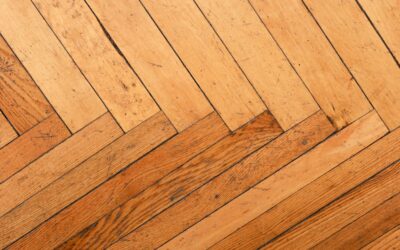
Labor varies with the installation method and the condition of your home. Nail-down solid hardwood over a wood subfloor is straightforward; glue-down or installation over concrete costs more. Complex layouts, like diagonal or herringbone patterns, add labor, as do stairs and intricate rooms. Installation quotes should include subfloor prep, fastening, and basic trim. Always confirm what is and is not included.
Two cost items often surprise homeowners: removing and disposing of old flooring, which adds roughly $1 to $3 per square foot, and subfloor repair or leveling, which can add hundreds of dollars if problems surface during demolition.
Site-Finished vs. Prefinished
Finishing affects both cost and outcome. Prefinished hardwood arrives coated from the factory, installs faster, and creates less dust, often lowering total labor. Site-finished hardwood is sanded and coated after installation, which allows custom colors and a seamless surface but adds labor and time. Prefinished is usually the more budget-friendly path, while site-finished offers more design flexibility at a higher cost.
Other Factors That Move the Price
Several details push a project up or down within the ranges above:
- Room size and shape: Large, open rooms install efficiently; small rooms with lots of cuts cost more per square foot.
- Plank width: Wide planks often cost more than standard strips.
- Region: Labor rates vary widely across the country.
- Existing conditions: Uneven or damaged subfloors raise prep costs.
- Stairs and transitions: Each adds material and labor.
Smart Ways to Save
You can lower the cost of hardwood without ending up with a floor you regret. Choose an affordable, durable domestic species like oak rather than an exotic. Consider engineered hardwood, which can cost less and install more easily. Pick a prefinished product to reduce labor and dust. If you already have old hardwood hiding under carpet, refinishing it, often about $3 to $5 per square foot, can deliver a like-new floor for far less than new material. Get at least three itemized quotes and confirm each includes prep and removal so you compare fairly.
Is Hardwood Worth the Cost?
Hardwood costs more upfront than many alternatives, but it adds lasting value and can be refinished rather than replaced, which spreads the cost over decades. Buyers consistently value real hardwood, so it can support resale value. If you want a floor that lasts generations and can be renewed, hardwood often justifies its price. If your budget is tight or moisture is a concern, wood-look LVP or laminate delivers the aesthetic for less.
Hardwood vs. Cheaper Alternatives
To judge whether hardwood is worth its price, compare it with the alternatives it competes against. Luxury vinyl plank runs roughly $3 to $11 per square foot installed and delivers a convincing wood look with full waterproofing. Laminate is similar in price and offers strong scratch resistance. Engineered hardwood bridges the gap, giving real wood at a lower cost than solid. Solid hardwood sits at the top for both price and longevity. The trade-off is clear: alternatives cost less and resist moisture better, while real hardwood offers authentic beauty, the ability to refinish, and the strongest resale appeal.
Long-Term Cost and Value
Looking only at the upfront price can be misleading. Solid hardwood can be sanded and refinished several times over its life, which means one floor can serve for generations rather than being torn out and replaced every 15 to 20 years like some alternatives. Spread across decades, that durability lowers the true lifetime cost considerably. Hardwood also tends to support a home’s resale value, since buyers consistently prize real wood. When you factor in longevity and resale, hardwood’s higher initial price often looks more reasonable than a quick comparison of per-square-foot numbers suggests.
Getting an Accurate Estimate
To budget confidently, gather detailed quotes rather than relying on averages. Ask each installer to itemize material, labor, old-floor removal and disposal, subfloor prep, and finishing. Provide accurate square footage and note stairs, transitions, and any pattern preferences, all of which affect the price. Buy 5 to 10 percent extra material for waste and future repairs. Comparing three itemized quotes side by side shows you the real cost for your specific home and reveals where one bid cuts corners or another charges a premium, so you can choose with eyes open.
The Bottom Line
So how expensive is hardwood flooring? Plan on roughly $6 to $25 per square foot installed, with the final number set by species, solid versus engineered construction, grade, finish, and your local labor rates. Oak and engineered products keep costs reasonable, while exotic species and intricate patterns raise them. Get itemized quotes, factor in removal and prep, and weigh hardwood’s long life and resale appeal against its upfront cost to decide if it is the right investment for your home.
Prefer to explore on your own?
See how new flooring looks in your actual room in seconds — free, no signup.
Try the free Floor Studio →