I hear this at least once a week during countertop consultations, usually right after a client has been told three different things by three different showrooms. So let me answer is quartz a natural stone plainly: no — quartz countertops are an engineered, man-made product. They contain a lot of natural quartz mineral, typically around 90 percent by weight, but that crushed mineral is bound together with plastic resin and pigments in a factory. The confusion is understandable because quartz the mineral absolutely is natural, and because a genuinely natural stone called quartzite sits two slabs over in the same showroom. Here is the full untangling, and why the distinction changes how you shop, cook, and care for your counters.
Part of our Countertops guide — explore the full guide →
Quartz the Mineral vs. Quartz the Countertop
Quartz the mineral is crystalline silicon dioxide, the second most common mineral in the earth’s crust — a natural material by any definition. Quartz the countertop is engineered stone: manufacturers grind natural quartz into aggregate and dust, blend it with about 7 to 12 percent polymer resin plus pigments, then compact the mix under intense vibration and vacuum before curing it into slabs. Breton in Italy patented the core process decades ago, and brands like Caesarstone, Silestone, Cambria, LG Viatera, and MSI Q all build on it. So the honest formulation: a quartz countertop is roughly 90 percent natural mineral, 10 percent plastic — and that 10 percent completely changes the material’s behavior. Marketing likes phrases such as “made with natural quartz,” which is true and also exactly how the confusion gets planted.
Quartz vs. Quartzite: The Name Trap
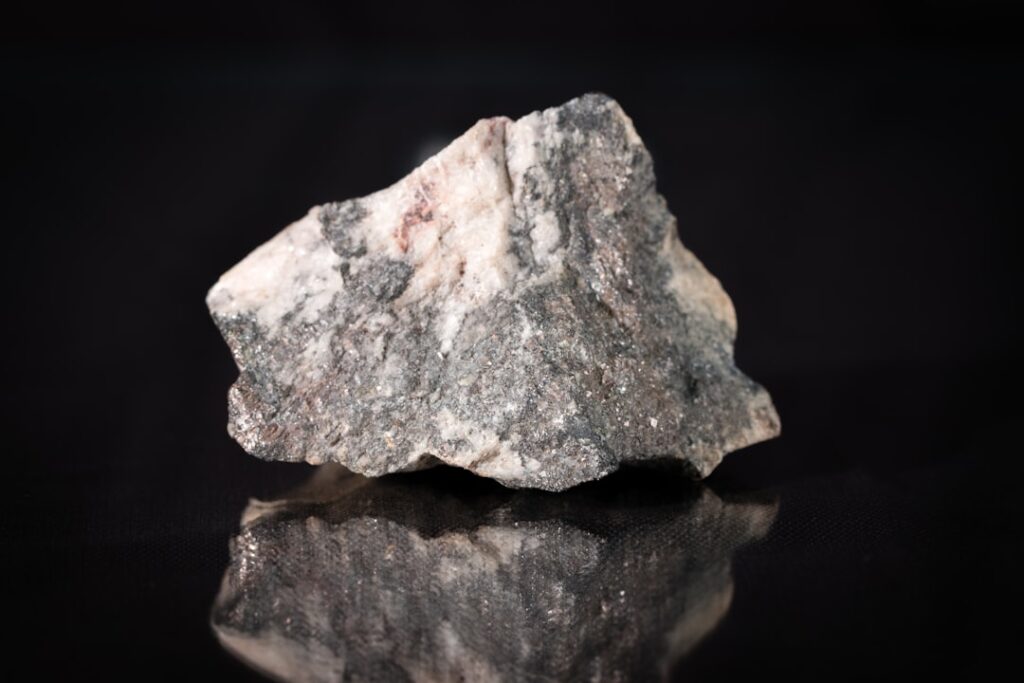
This is where buyers genuinely get burned. Quartzite — with the “-ite” — is a 100 percent natural metamorphic stone: sandstone that was heated and compressed until its quartz grains fused. It is quarried in blocks, sawn into slabs, and polished, exactly like granite. It is beautiful, often looks like marble, and is one of the hardest natural stones you can put in a kitchen. Quartz and quartzite sit near each other alphabetically and physically in slab yards, and I have met more than one homeowner who thought they bought one and got the other. Quick separation:
| Property | Quartz (engineered) | Quartzite (natural) |
|---|---|---|
| Origin | Factory-made slab | Quarried natural stone |
| Composition | ~90% quartz aggregate + resin | ~100% natural fused quartz |
| Porosity | Non-porous, never sealed | Porous, seal every 1–2 years |
| Heat tolerance | Resin scorches ~300°F | Excellent — hot pans fine |
| UV/outdoor | Yellows; indoor only (most lines) | Stable outdoors |
| Pattern | Uniform, factory-controlled | Unique per slab |
| Installed cost/sq ft | $55–$125 | $70–$200 |
If a salesperson says “quartz is natural stone,” ask them directly whether they mean engineered quartz or quartzite. The answer sorts out the conversation immediately.
Why the Distinction Actually Matters
This is not pedantry — the resin content drives real-world behavior you will live with daily:
- Heat: Natural stones like granite and quartzite formed under geologic heat and do not care about your 400°F skillet. Engineered quartz’s polymer resin discolors, and can crack from thermal shock, starting around 300°F. Every scorched quartz countertop I have been called to assess — and there have been plenty — was a hot pan or a slow cooker parked in one spot. Trivets are non-negotiable.
- Sealing and stains: The resin makes engineered quartz non-porous. No sealer, ever, and red wine left overnight wipes off. Natural stone is porous to some degree; granite and quartzite need periodic penetrating sealer, and marble stains and etches regardless.
- Sunlight: Resin yellows under UV. That is why almost no quartz brand warranties outdoor installation, while granite and quartzite live happily in outdoor kitchens.
- Chemicals: Harsh solvents, paint strippers, oven cleaner, and high-pH drain products can dull or discolor resin. Natural stone has its own enemies (acids etch marble), but quartz’s are resin-specific.
- Repairs: Chips in natural stone are patched with color-matched epoxy fairly invisibly. Quartz chips can be repaired too, but burns and UV yellowing are effectively permanent because the damage is in the resin matrix itself.
- Uniformity: Engineered slabs are consistent — great for matching a seam or ordering a replacement piece years later. Natural stone is one-of-one, which is either its greatest feature or a matching headache, depending on your project.
Does “Not Natural” Mean Lower Quality? No.
I want to be fair to quartz here, because “man-made” sometimes gets read as “fake” or “cheap,” and that is wrong. Engineered quartz became the best-selling countertop material in America on merit: it is harder-wearing than marble, more stain-proof than granite, more consistent than any quarried stone, and requires zero maintenance. For a busy family kitchen where nobody wants to think about sealing schedules, I recommend quartz more often than anything else. The resin is a feature, not an adulterant — it is precisely what makes the surface non-porous. The point of answering “no, it is not natural stone” is not to knock the product; it is so you buy it for what it is and treat it accordingly.
How Sellers Blur the Line (and How to Read Labels)
- “Made with up to 93% natural quartz” — true; still an engineered slab. The percentage refers to the mineral content by weight.
- “Natural quartz surface” — marketing phrasing for the same engineered product.
- “Engineered stone” or “agglomerated stone” — the accurate industry terms for quartz countertops.
- “Quartzite” — natural stone; confirm on the fabricator’s paperwork, because some soft “quartzites” on the market are actually dolomitic marbles mislabeled, and they etch. Ask for a lemon-juice test on a sample: real quartzite shrugs it off.
- Newer note: some brands now sell low-silica or silica-free engineered surfaces (a response to fabrication-dust safety rules). Same engineered category, different aggregate.
Common Follow-Up Questions I Get
Is quartz at least partly natural? Yes — the aggregate is genuinely mined quartz mineral, often 88 to 93 percent by weight. The slab as an object, though, is manufactured, the same way a particleboard shelf is mostly natural wood but nobody calls it lumber.
Does the resin make quartz less safe or less durable? No on both counts for the finished product in your kitchen. Cured resin is inert and quartz surfaces are certified for food contact. The durability trade-offs are the heat and UV limits described above, not structural weakness — quartz actually flexes and resists cracking better in transit and daily service than most natural slabs.
Is granite natural? Fully, and so are marble, quartzite, soapstone, travertine, and slate — quarried, cut, polished, nothing added but sealer. “Solid surface” (Corian-type), porcelain slab, and quartz are the engineered side of the showroom.
Does engineered vs. natural matter for resale? Buyers and appraisers treat quality quartz and granite as equivalent upgrades. What matters is condition and color, not the natural-stone pedigree — a scorched quartz counter or a stained unsealed granite hurts equally.
Which Should You Buy?
My rule-of-thumb guidance after years of installs and callbacks:
- Choose engineered quartz if you want set-and-forget maintenance, consistent color for a modern design, and a mid-range budget — and you can live with trivets.
- Choose quartzite or granite if you run a hot, heavy kitchen, want true natural-stone uniqueness, or are building an outdoor kitchen — and you will actually reseal every year or two (it takes 20 minutes and a $25 bottle).
- Do not choose based on the word “quartz” alone. Confirm engineered vs. quarried on paper before you sign the fabrication contract.
So, final answer for the search box: quartz countertops are not natural stone — they are engineered slabs of about 90 percent natural quartz mineral locked in resin, while quartzite is the fully natural stone with the confusingly similar name. Neither is the “better” material in the abstract; they are different tools. Know which one is on your quote, protect quartz from heat and sun, seal quartzite on schedule, and either surface will still look right when you eventually sell the house.