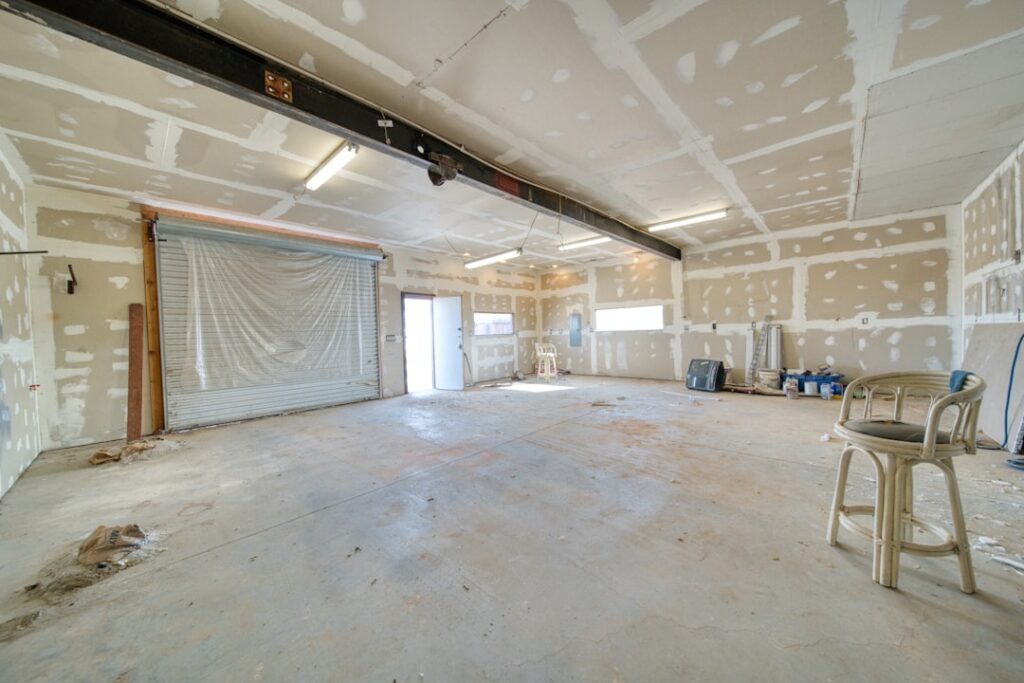
If you have ever stood in a hardware store wondering whether to grab Sheetrock or drywall, you are not alone, and the short answer is reassuring: is sheetrock and drywall the same thing comes down to the difference between a brand name and a product category. Sheetrock is a registered trademark owned by United States Gypsum Company, while drywall is the generic term for the gypsum-based panels used to finish interior walls and ceilings across nearly every home built in the last seventy years.
Part of our Paint & Walls guide — explore the full guide →
- The Simple Answer
- What Drywall Actually Is
- A Brief History of the Sheetrock Name
- Common Types of Drywall Panels
- Standard Panel Sizes and Thickness
- How Much Does Drywall Cost
- Does the Brand Make a Difference
- Installation Basics Every Homeowner Should Know
- When to Choose Each Panel
- Other Common Drywall Brands
- How Long Does Drywall Last
- The Bottom Line
The Simple Answer
Sheetrock is to drywall what Kleenex is to facial tissue or what Band-Aid is to adhesive bandages. The brand became so dominant that many contractors and homeowners use the word Sheetrock to mean any drywall panel, regardless of who manufactured it. Functionally, a sheet of Sheetrock and a sheet of another brand’s drywall do the same job, install the same way, and meet the same building codes. The distinction matters mostly for ordering accuracy and understanding what a contractor actually quotes you.
What Drywall Actually Is
Drywall, also called gypsum board, wallboard, or plasterboard, consists of a core of gypsum plaster pressed between two thick sheets of paper facing. Gypsum is a soft sulfate mineral that is mined, heated to remove most of its water, then rehydrated into a moldable paste that hardens into the panel core. The result is a fire-resistant, dimensionally stable board that installs far faster than the wet plaster-and-lath construction it replaced in the mid twentieth century, which is exactly where the name drywall comes from.
A Brief History of the Sheetrock Name
United States Gypsum introduced Sheetrock in 1916, decades before drywall became the construction standard. Because USG was an early and aggressive marketer, the brand name entered everyday language. Today USG continues to sell Sheetrock branded panels, but dozens of other manufacturers produce drywall that performs identically. When a supplier or contractor refers to Sheetrock, they may mean the genuine USG product or simply be using the term loosely, so it is worth clarifying if you have a specific brand preference.
Common Types of Drywall Panels
Whether labeled Sheetrock or another brand, drywall comes in several specialized varieties. Choosing the right one for each room is more important than choosing a particular brand.
- Standard drywall is the white or gray board used for most walls and ceilings in dry areas.
- Moisture-resistant drywall, often called green board, suits bathrooms, laundry rooms, and other damp spaces.
- Mold-resistant drywall adds fiberglass facing and treated cores for high-humidity zones.
- Fire-resistant drywall, known as Type X, contains glass fibers and is required by code in garages, around furnaces, and on shared walls.
- Cement board, though technically not gypsum drywall, is the proper backer behind tile in showers.
Standard Panel Sizes and Thickness
Drywall typically comes in four-foot-wide sheets that are eight, ten, or twelve feet long. Thickness ranges from one-quarter inch for curved surfaces up to five-eighths inch for ceilings and fire-rated assemblies. The most common choice for residential walls is one-half inch. Heavier and longer sheets cover more area with fewer seams but are harder to lift and hang, which is why ceiling panels often call for a second pair of hands or a panel lift.
How Much Does Drywall Cost
Material pricing is similar across brands. A standard four-by-eight half-inch sheet generally costs $12 to $20, working out to roughly $0.40 to $0.65 per square foot for the panel alone. When you hire a professional to hang, tape, mud, and sand, installed costs typically land between $1.50 and $3.50 per square foot depending on your region, ceiling height, and finish level. Specialty panels like mold-resistant or fire-rated board add a modest premium of a dollar or two per sheet.
Does the Brand Make a Difference
For the vast majority of homeowners, no. All drywall sold in the United States must meet the same ASTM standards, so a reputable brand performs the same as USG Sheetrock for everyday walls. Where brand can matter is in specialty products, since some manufacturers offer lightweight panels, dust-controlling joint compounds, or enhanced sound-dampening boards that genuinely differ in handling and performance. If a project calls for a specific acoustic or fire rating, focus on the product specification rather than the brand on the label.
Installation Basics Every Homeowner Should Know
Hanging drywall follows a consistent process regardless of brand. Panels attach to wood or metal framing with drywall screws spaced about every twelve to sixteen inches. Seams are covered with paper or mesh tape, then three coats of joint compound are applied and sanded smooth between coats. The final surface is primed before painting. While hanging a single patch is a reasonable do-it-yourself task, finishing a whole room to a seamless, paint-ready surface is a skill that takes practice, which is why many homeowners hire a pro for visible living spaces.
When to Choose Each Panel
Match the panel to the environment. Use standard drywall in bedrooms, living rooms, and hallways. Reach for moisture- or mold-resistant board in bathrooms and basements. Install Type X fire-rated drywall wherever code requires it, particularly in attached garages. Behind shower tile, skip gypsum entirely in favor of cement board or a waterproof backer designed for wet exposure.
Other Common Drywall Brands
Sheetrock may be the most recognized name, but several other manufacturers produce drywall used in homes across the country. Brands like ToughRock, ProRoc, and Gold Bond are widely sold at building suppliers and home centers, and each performs to the same industry standards as Sheetrock for everyday applications. When a contractor specifies a product, they are usually more concerned with the panel type and rating than the brand on the wrapper. If you have a strong preference for a specific manufacturer, state it clearly on your order rather than assuming the word Sheetrock guarantees the USG product.
How Long Does Drywall Last
Properly installed drywall can last the lifetime of a home, often fifty years or more, as long as it stays dry. Its main enemy is moisture, which causes the gypsum core to soften, sag, and grow mold. This is why the right panel type matters so much in damp rooms. Water-damaged drywall from a leak or flood usually must be cut out and replaced rather than dried in place, since the compromised core loses strength and can harbor mold. Keeping humidity controlled and addressing leaks quickly is the single best way to make any drywall, branded or generic, last for decades.
The Bottom Line
So, is Sheetrock the same as drywall? Yes, in practical terms; Sheetrock is simply a famous brand of the gypsum panel everyone calls drywall. Focus your decisions on the panel type, thickness, and moisture rating appropriate for each room rather than on the brand name. When your walls are finished and ready, D and G Flooring can help you select flooring that pairs beautifully with your freshly built or renovated space.