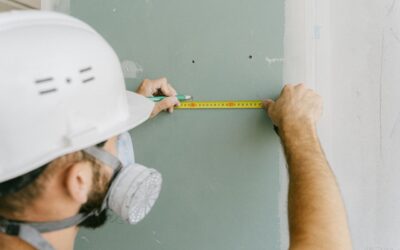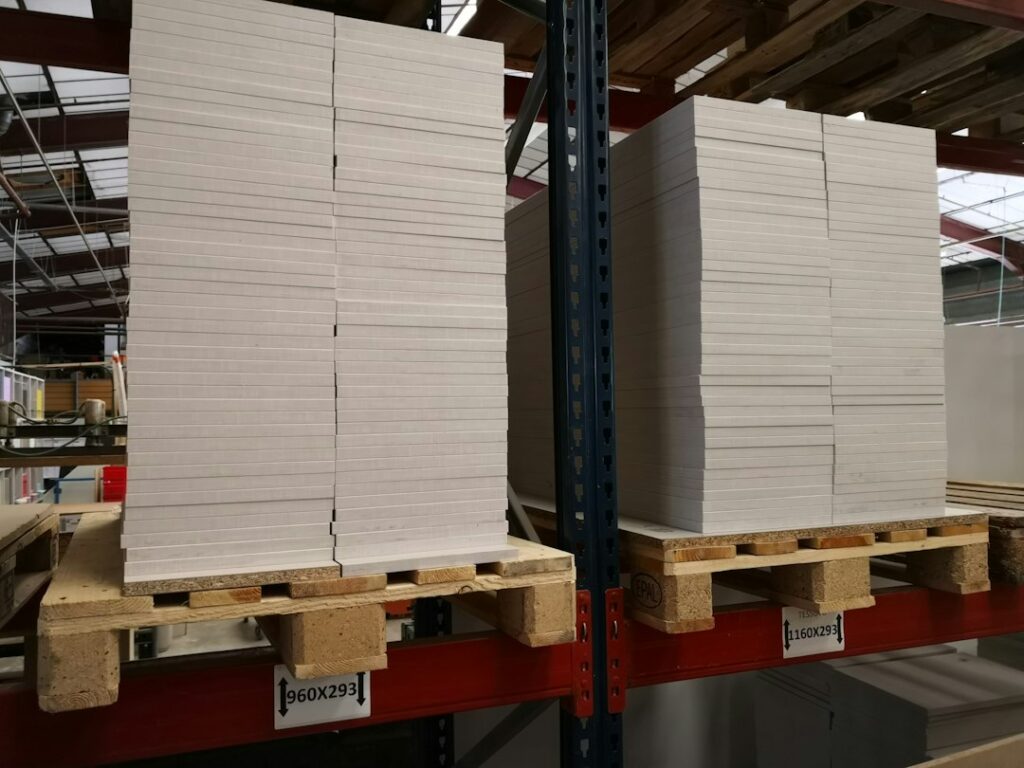
The sheetrock vs drywall price question is a trick. Sheetrock is the registered trademark of USG (United States Gypsum) for their brand of gypsum board, the same product everyone else calls drywall. So when someone asks whether Sheetrock costs more than drywall, the technical answer is yes, the USG-branded Sheetrock sheet at Home Depot runs about $0.50 to $1.80 more per sheet than the cheapest generic gypsum board on the same aisle. But the real cost differences in a drywall project come from sheet thickness, fire ratings, moisture-resistance, and labor, not the brand stamp on the corner.
Part of our Paint & Walls guide — explore the full guide →
What You Actually Pay Per Sheet in 2026
A standard 1/2-inch x 4 ft x 8 ft gypsum sheet runs $13 to $18 in most US markets in 2026. USG Sheetrock UltraLight Panels in the same dimensions cost $15 to $20. Generic store brands (Home Depot’s ToughRock, Lowe’s Gold Bond, Menards branded) run $13 to $16. The premium on USG Sheetrock is real but small, typically 8 to 15 percent.
Step up to 5/8-inch Type X fire-rated drywall and prices jump to $18 to $26 per 4×8 sheet for generic and $20 to $28 for USG Sheetrock Firecode X. The price gap between brands narrows to 6 to 10 percent because the specialized formulation costs more across the board.
Moisture-resistant green board, used in bathroom non-wet areas, runs $16 to $24 per 4×8 sheet. Paperless mold-resistant boards like USG Sheetrock Mold Tough or National Gypsum XP run $22 to $32 per sheet, justified in basements and any room with chronic humidity above 60 percent.
Sheet Size Affects Total Project Cost
Larger sheets reduce labor time and joint compound consumption. A 4×12-foot sheet covers 50 percent more area than a 4×8 with only one extra cut, cutting joints to tape and finish by roughly 30 percent. The 4×12-foot 1/2-inch sheets cost $22 to $30, about 35 percent more material per sheet but 50 percent more coverage, a clear win on long walls.
For ceilings, 4×12 sheets with 5/8-inch thickness reduce sag and meet fire-rating requirements simultaneously. Budget $26 to $36 per sheet. Most professional drywall crews bring 4×12 sheets to job sites by default, only homeowners doing DIY work tend to default to 4×8 because they fit through standard doors.
Labor Costs by Region
Drywall hangers and finishers typically charge by the square foot of finished surface. A complete hang-and-finish job, including taping, three coats of joint compound, sanding, and a Level 4 finish ready for paint, runs $1.50 to $3.20 per sq ft in 2026. Texas, Tennessee, and the Carolinas land at the low end; California, New York, and Massachusetts at the high end.
Premium Level 5 finish (a skim coat of compound across the entire wall) adds $0.40 to $0.85 per sq ft and is required for raking light or critical-light rooms with large windows facing the wall. Most homeowners do not need Level 5 unless they are running gloss or semi-gloss paint or installing across-the-room recessed lighting that washes the walls.
Total Cost for a Single Room
A 12-foot by 14-foot bedroom with 8-foot ceilings has about 520 sq ft of walls and 168 sq ft of ceiling, totaling 688 sq ft of drywall surface area. At 32 sq ft per 4×8 sheet, the room needs 22 sheets including 10 percent waste. Materials run $310 to $440 for standard 1/2-inch. Labor at $1.80 per sq ft for hang-and-finish runs $1,238. Total project cost: $1,550 to $1,680.
For the same room in 5/8-inch USG Sheetrock Firecode X (overkill for a bedroom, but required for garages and stairwells in some configurations), materials hit $440 to $620 and labor stays the same at $1,238. Total: $1,680 to $1,860.
When Brand Choice Saves Money
For large commercial projects, USG Sheetrock through a contractor account often beats generic prices because of volume rebates and the predictability of dimensional tolerances. For residential remodels under 5,000 sq ft, the price difference rarely justifies the brand specification, the generic options from National Gypsum, CertainTeed, and Georgia-Pacific perform identically in standard residential applications.
Where brand matters: fire-rated assemblies where the inspector verifies the UL design number. UL Designs reference specific manufacturer products, and substituting another manufacturer’s equivalent product technically requires inspector approval. For most homes, the substitution is approved without issue, but in commercial or multifamily work, sticking with the spec’d manufacturer prevents delays.
Hidden Costs That Inflate the Bill
Old plaster removal before drywall installation adds $1.20 to $3.50 per sq ft for tear-out, cleanup, and disposal. Asbestos testing on pre-1980 homes runs $400 to $850 and is non-negotiable, abatement if positive adds $8 to $22 per sq ft.
Texture matching during patches and repairs runs $80 to $180 per hour for a skilled drywaller. Skim coating over heavy orange peel or knockdown to convert to a smooth wall adds $1.20 to $2.40 per sq ft.
Hauling and disposal fees, especially in urban areas with restricted dumpster access, add $300 to $750 to a full-room project. Always confirm whether disposal is included in your contractor’s quote.
DIY vs Hiring Out: Where the Real Savings Are
Hanging drywall is straightforward but heavy. A 4×8 1/2-inch sheet weighs 51 lbs, a 5/8-inch sheet weighs 73 lbs. Most homeowners can hang sheets in an afternoon with a helper. Finishing, however, separates pros from amateurs. A Level 4 finish requires three coats of joint compound, careful sanding, and an eye for shadows raking across the wall. Most DIY finishes end up at Level 2 or 3 quality, which shows after the room is painted.
DIY material cost for a typical bedroom: $400 to $550 including compound, tape, screws, and sanding supplies. DIY labor cost: 25 to 40 hours over multiple days. Professional install: $1,400 to $2,000 over 2 to 3 days. Most homeowners value their weekends at the implied $35 per hour and hire out.
The Bottom Line on Sheetrock vs Drywall Price
The sheetrock vs drywall price spread is real but tiny, generally 8 to 15 percent for the brand premium. Substantially larger price swings come from thickness, fire rating, moisture resistance, and labor quality. Specify what your code and conditions require, source from a reputable supplier, and hire a finisher whose previous work you have actually inspected in person. Those three decisions matter 10 times more than whether the corner of the sheet says USG or National Gypsum.