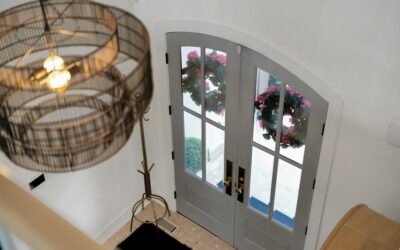
Shopping for JELD-WEN front doors comes down to one decision before any other: what the door slab is made of. JELD-WEN, a door and window maker founded in 1960 in Klamath Falls, Oregon and now headquartered in Charlotte, North Carolina, sells entry doors in fiberglass, steel and wood. Each material has a different look, price tier, maintenance load and lifespan, and the right pick depends on your climate, your budget and how much sun and rain hit the doorway.
Part of our Windows & Doors guide — explore the full guide →
Fiberglass is the all-round choice for most homes: it resists dents, does not rot, and can mimic stained wood grain. Steel is the budget and security pick, strong and affordable but prone to dents and rust if the finish is damaged. Wood gives the richest look and the most custom options but needs regular refinishing and protection from weather. Product names, collections and options change by region and year, so treat everything here as a starting point and confirm details with a dealer quote and the current spec sheet.
- JELD WEN Front Doors Compared by Material
- Fiberglass Front Doors
- Steel Front Doors
- Wood Front Doors
- Styles, Glass and Standard Sizes
- Choosing the Right Door: A Quick Decision Guide
- Installation Tips and Glass Safety
- Troubleshooting Common Entry Door Problems
- Cost Ranges
- When to Call a Pro
- Frequently Asked Questions
JELD WEN Front Doors Compared by Material
The table compares the three materials at a glance. Price tiers are relative, since actual cost depends on size, glass, finish, hardware and installation.
| Factor | Fiberglass | Steel | Wood |
|---|---|---|---|
| Look | Smooth paintable or wood-grain textured | Smooth or embossed, usually painted | Real wood grain, stain or paint |
| Dent resistance | High | Low to medium (dents show) | Medium (dings can be sanded) |
| Rot and rust | Will not rot or rust | Can rust where finish is scratched | Can rot, warp or crack if not maintained |
| Insulation | Good, foam core | Good, foam core | Fair to good, depends on build |
| Maintenance | Low | Low to medium | High (refinish periodically) |
| Best climate | Most climates, including humid and coastal | Covered entries, moderate climates | Covered, shaded entries |
| Relative price tier | Mid to premium | Budget to mid | Mid to premium (custom is highest) |
People searching for jeld wen front doors are often replacing a builder-grade door that has dented, warped or started leaking air. Starting from the material, rather than a photo, keeps the comparison honest.
Fiberglass Front Doors
Jeld wen fiberglass doors are the line most homeowners end up comparing, because fiberglass balances looks, durability and cost. A fiberglass skin over a foam core will not rot, swell or rust, and it shrugs off the bumps that dent a steel door. Smooth fiberglass is made for painting, while textured wood-grain versions can be stained to resemble oak, mahogany or other species from a few feet away.
JELD-WEN’s Aurora brand covers its higher-end custom fiberglass doors, which are designed to closely replicate the look of wood with deep panel profiles and custom sizes. Standard fiberglass collections sit at lower price points with fewer custom options. Ask the dealer which collection a quote is for, because two fiberglass doors that look similar in a photo can differ a lot in skin thickness, grain detail and finish.
Steel Front Doors
A jeld wen steel door is the most affordable way to get a solid, secure, well-insulated entry. Steel skins over a foam core give good energy performance and a strong barrier, and painted steel looks crisp on traditional and modern houses alike. The weak points are dents and rust. A steel door in a busy doorway can collect dings from strollers and deliveries, and once a scratch breaks the paint, moisture can start rust at the bottom edge. Steel also gets hot to the touch when a dark color faces strong afternoon sun.
Steel makes the most sense at a covered entry, on a rental or secondary entrance, or anywhere budget comes first. Keep touch-up paint on hand and fix scratches promptly.
Wood Front Doors
Wood gives you the real thing: genuine grain, weight and a classic sound when the door closes. JELD-WEN offers wood entry doors in a range of species and its custom wood program lets you choose sizes, panel designs and glass. The company also uses its AuraLast treated pine in some wood products, marketed as resistant to rot, water saturation and termites.
Wood still needs care. Sun and rain break down the finish, and an unprotected wood door can warp, check or rot. Plan on refinishing the exterior every few years, more often on south or west exposures. A deep porch overhang or storm door helps a wood door last much longer.
Styles, Glass and Standard Sizes
All three materials come in common styles: flush (flat), raised panel, craftsman with a glass top and shelf, full-lite or half-lite glass, and arched or rectangular glass inserts. Sidelites (narrow glass panels beside the door) and transoms (glass above) are available as part of a prehung unit on many lines.
- Glass options: clear, frosted or obscure textures for privacy, decorative caming patterns, and internal blinds on some styles. Insulated, tempered glass is standard in entry doors for safety and efficiency.
- Common slab widths: 30, 32 and 36 inches, with 36 inches the most common for main entries.
- Common heights: 80 inches (6 ft 8 in) is standard; 96 inches (8 ft) is popular on newer homes with taller ceilings.
- Prehung vs slab: a prehung door comes already hung in its frame with weatherstripping and a sill, which makes for easier, tighter installs.
Always measure the existing rough opening (the framed hole) and the jamb depth, not just the old door slab. A replacement must match the opening or the opening must be reframed.
Choosing the Right Door: A Quick Decision Guide
- Exposed to full sun or heavy rain with little overhang: choose fiberglass.
- Tight budget or a secondary entrance: choose steel.
- Historic home or a covered porch where authentic wood matters: choose wood, and commit to upkeep.
- Want a stained look without the maintenance: choose textured fiberglass.
- Coastal or high-humidity area: choose fiberglass, and ask about corrosion-resistant hardware.
Installation Tips and Glass Safety
Replacing an entry door is a two-person job at minimum. Prehung units with glass are heavy and awkward, and a dropped door can crack the glass or bend the frame. Wear gloves and eye protection, carry the door upright with one person on each side, and never flex the unit or let a glass corner strike the floor. Entry door glass should be tempered or laminated safety glass; if you ever replace a glass insert, use the correct rated glass.
- Dry-fit the unit in the opening before applying sealant.
- Check the sill is level and supported along its full length.
- Shim at hinge and latch points so the reveal is even and the door does not swing on its own.
- Use low-expansion foam made for windows and doors; standard foam can bow the jamb.
- Finish with a door weatherstripping kit if gaps remain at the sides or top.
Troubleshooting Common Entry Door Problems
- Drafts around the edges: replace compressed weatherstripping and adjust the threshold or door sweep.
- Door sticks in humid weather: common with wood. Check hinge screws first; long screws into the framing often fix sagging.
- Rust at the bottom of a steel door: sand, prime with a rust-inhibiting primer and repaint; severe rust means replacement.
- Fogged glass: the insulated glass seal has failed. Check the warranty, since glass units are often covered separately.
- Faded fiberglass finish: clean and recoat with a finish suited to fiberglass rather than a standard wood stain.
Cost Ranges
Steel prehung entry doors sit at the lower end, often a few hundred dollars for a basic unit. Standard fiberglass runs from mid-range to over a thousand dollars, and custom fiberglass or wood with sidelites and decorative glass can reach several thousand. Professional installation adds a meaningful amount, more if the opening needs reframing, trim work or a new sill pan. When comparing jeld wen front doors with other brands, get at least two quotes and confirm exactly which collection, glass and hardware each quote includes.
When to Call a Pro
Swapping a slab onto existing hinges is manageable for a skilled DIYer, but a full prehung replacement involves removing the old frame, flashing the opening and setting the sill correctly so water does not get into the subfloor. Hire an experienced installer if the opening is out of square, the size is changing, there is visible rot in the framing or subfloor, or the door includes sidelites and a transom. A pro install also helps protect the manufacturer’s warranty.
Frequently Asked Questions
Are JELD-WEN fiberglass or steel doors better?
Fiberglass resists dents and rust and suits exposed entries, while steel costs less and offers strong security. Choose fiberglass for durability and steel for budget.
What size are standard front doors?
Most main entry doors are 36 inches wide and 80 inches tall. Taller 96-inch doors are common on newer homes, and 30 or 32 inch widths are used on secondary entries.
Can a fiberglass door be stained?
Yes, textured wood-grain fiberglass is designed to be stained. Smooth fiberglass is intended for paint. Use finishes recommended for fiberglass.
How long do wood front doors last?
A well-maintained wood door at a covered entry can last decades. Without regular refinishing and weather protection, it can warp or rot much sooner.
Should I buy prehung or a slab?
Prehung units include the frame, sill and weatherstripping, making a tighter, easier install. A slab only works if the existing frame is square and in good condition.