Choosing a tub feels simple until you stand in a showroom and realize there are a dozen profiles, four or five materials, and a 20-to-1 spread in price. Understanding the kinds of bathtubs on the market, by both installation style and material, is what lets you match a tub to your bathroom’s size, your plumbing, and your budget without expensive regret. The right choice balances how the tub installs, how it feels to soak in, and how long it will last.
Part of our Bathroom Remodeling & Flooring guide — explore the full guide →
Alcove Bathtubs
The most common tub in American homes is the alcove, the rectangular tub that fits into a three-walled nook with a single finished front, or apron. It is the default for combined tub-and-shower setups and the most space-efficient option, which is why nearly every standard bathroom has one.
Alcove tubs are also the budget champion. A basic acrylic or fiberglass model runs just $200 to $800, and because the surrounding walls hide three sides, installation is straightforward. Standard sizes are 60 inches long by 30 to 32 inches wide, fitting the framed opening most homes already have.
Freestanding Bathtubs
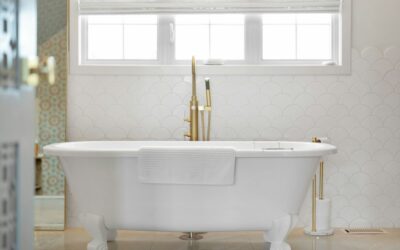
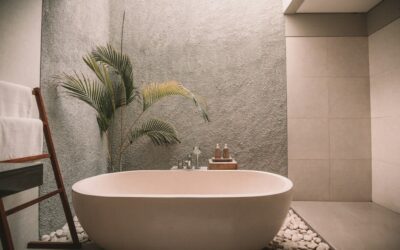
Nothing makes a statement like a freestanding tub sitting proud in the middle of the room. These finished-on-all-sides tubs include the classic clawfoot and the sleek modern oval, and they have become the signature centerpiece of spa-style bathrooms.
Drama comes at a cost and requires space. Freestanding tubs run $600 to $4,000-plus, need a large bathroom with room to walk around them, and often demand a freestanding floor-mounted faucet that adds several hundred dollars. They are pure soaking luxury, but a small bathroom cannot accommodate one comfortably.
Drop-In and Undermount Tubs
A drop-in tub is a shell with no finished sides that drops into a custom-built deck or platform, leaving only the rim visible. It gives a built-in, high-end look and lets you surround the tub with a tiled or stone ledge for candles and bath products. The deck construction adds labor, so expect $500 to $2,500 for the tub plus the cost of building the surround.
The undermount is its close cousin, mounted beneath a solid deck so the surface flows seamlessly over the rim with no lip. It is the most seamless, easiest-to-clean look but the most labor-intensive to install, making it a premium choice for custom bathrooms.
Soaking and Japanese Tubs
If a deep, full-body soak is the goal, look at dedicated soaking tubs. These are extra-deep, usually 14 to 23 inches of water depth versus the standard 12, so the water covers your shoulders. Japanese-style soaking tubs, called ofuro, take this further with a compact, very deep design where you sit upright on a built-in bench.
The ofuro is ideal for small bathrooms that still want a luxurious soak, since it trades length for depth and takes up little floor space. Soaking tubs span $500 to $3,000 depending on material and shape.
Walk-In and Jetted Tubs
Two specialty categories serve specific needs. Walk-in tubs feature a watertight door and built-in seat, designed for seniors and people with mobility challenges to enter without climbing over a high wall. They cost considerably more, $2,000 to $10,000 installed, but provide genuine independence and safety.
Jetted tubs add hydrotherapy through water jets (whirlpool) or air jets (air bath). They run $700 to $4,000, deliver a massaging soak, and require a nearby electrical hookup and more diligent cleaning to keep the jet lines free of buildup.
Bathtub Materials Matter
Independent of style, the material determines weight, warmth, durability, and price. Here is how the common options compare:
- Acrylic: lightweight, warm to the touch, holds heat well, and resists chipping; the most popular all-around choice at $300 to $1,500
- Fiberglass (FRP): the cheapest and lightest, $200 to $800, but scratches and fades faster
- Enameled steel: durable and glossy at $200 to $600, though it feels cold and is noisy
- Cast iron: extremely durable, holds heat beautifully, and lasts decades at $500 to $2,000, but is very heavy and may need reinforced framing
- Stone resin and copper: premium materials, $1,500 to $5,000-plus, for high-end freestanding designs
Cast iron and stone resin retain heat far longer than acrylic or fiberglass, a real advantage for anyone who loves a long, hot soak.
Sizes and Space Requirements
Before you fall for a particular tub, confirm it fits the room and the structure. Standard alcove tubs are 60 inches long, but you can find 48-inch and 72-inch versions for tight or generous spaces. Soaking and freestanding tubs vary widely, from compact 55-inch ovals to 72-inch loungers, so always check the footprint against your floor plan with at least a few inches of clearance for cleaning around the base.
Weight and water capacity matter too. A standard tub holds 25 to 45 gallons, while a deep soaking tub can take 60 to 80 gallons, which may strain a small water heater, plan on a 50-gallon-plus heater or a tankless unit for big soakers. A full cast-iron or stone tub can exceed 1,000 pounds with water and a bather, so an upper-floor installation may require the floor joists to be evaluated and possibly reinforced.
How to Choose the Right Tub
Start with your space and plumbing. A standard bathroom with a tub-shower combo points straight to an alcove acrylic tub, the affordable, practical workhorse. A spacious primary bath with room to spare opens the door to a freestanding or drop-in soaking tub as a centerpiece. For aging-in-place needs, a walk-in tub is worth the premium.
Then weigh the material against your priorities: lightweight and warm (acrylic), bargain (fiberglass), heirloom durability (cast iron), or showpiece luxury (stone resin). Measure your door frames and floor structure too, since a cast-iron or stone tub can weigh several hundred pounds when empty. Match the kinds of bathtubs to your real constraints, space, plumbing, weight, and budget, and you will land on a tub you enjoy every time you fill it.